
…for it is God who works in you to will and to act in order to fulfill his good purpose.
~ Philippians 2:13
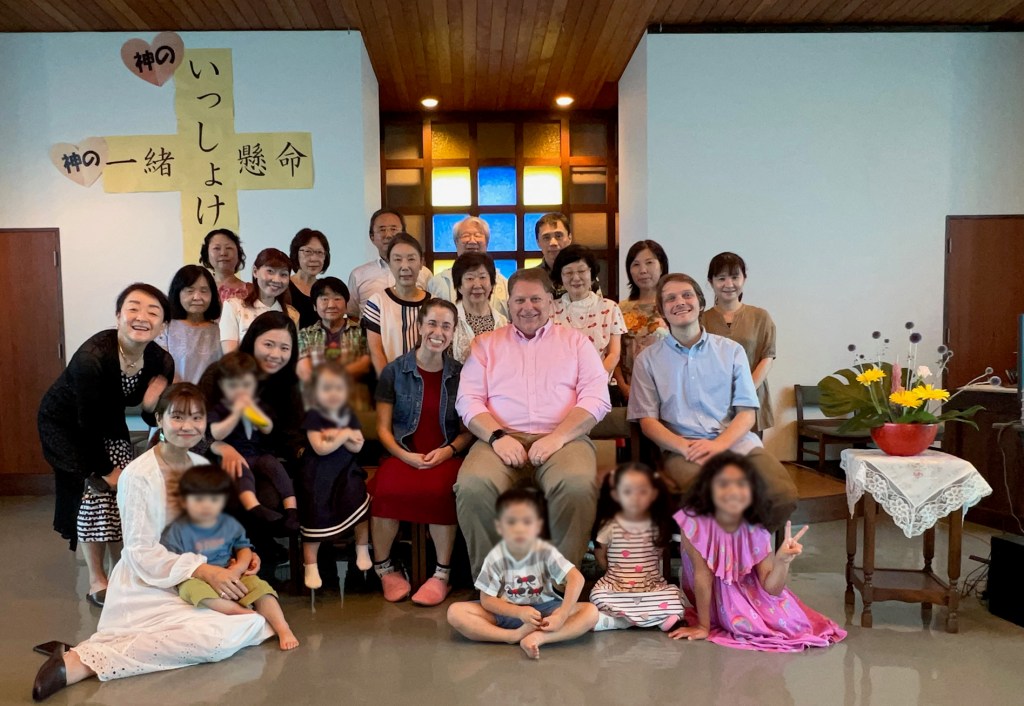
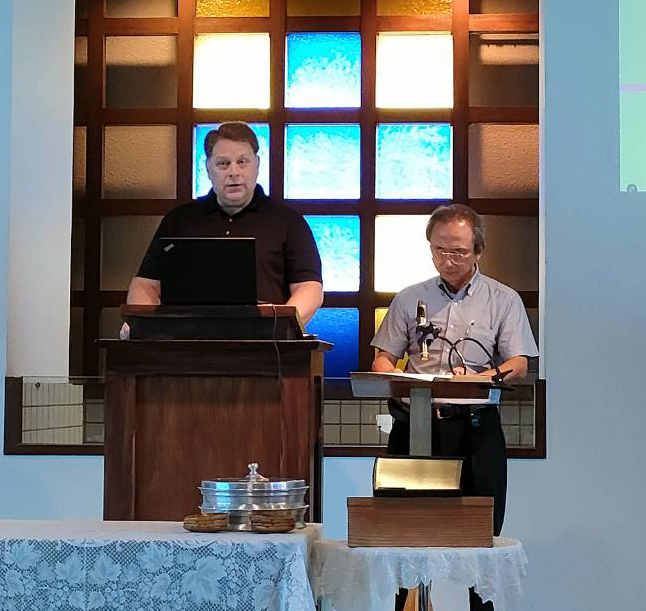
This blog post will be focusing on Tachikawa, Japan. Emily and I have committed to working with the congregation here and we are excited to share some of the reasons for our decision. The photo above was taken during our trip last summer. Although some members couldn’t be present the day this picture was taken, it is a good representation of a typical Sunday worship gathering. Over the last two summers as we worked and worshiped alongside this small but faithful group, these people have gradually gone from anonymous Japanese individuals to beloved brothers and sisters laboring for Jesus despite tough cultural challenges.
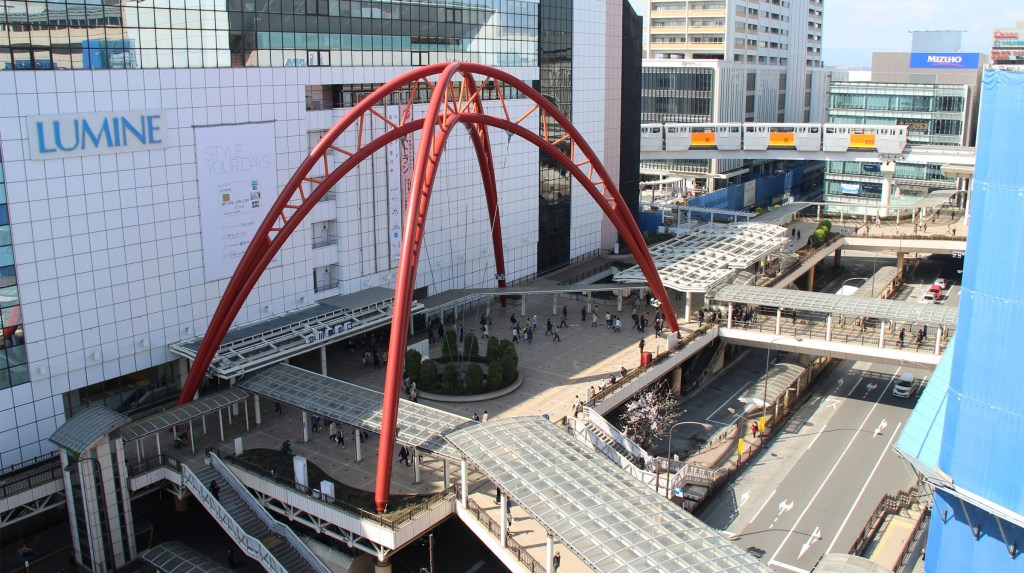
Tachikawa is a suburb on the Western side of the Tokyo metropolitan area. While not as densely populated as central Tokyo, most Americans would still consider it to be crowded. Tachikawa Station serves as a major suburban hub at the intersection of five different train lines. Current estimates suggest that at least 175,000 people transit through this station each day. Consequently, the Tachikawa area has seen a steady increase in development and is an attractive destination for people who want to live away from the congested parts of Central Tokyo yet still have easy access to all parts of the greater Tokyo area.
In particular, this part of the city is attractive to young families. Despite most areas in Japan dealing with the twin crises of low birth rates and an aging population, Emily and I have observed over the past two summers that the Tachikawa area has an abundance of families with small children. We believe this presents a number of exciting possibilities for ministry!
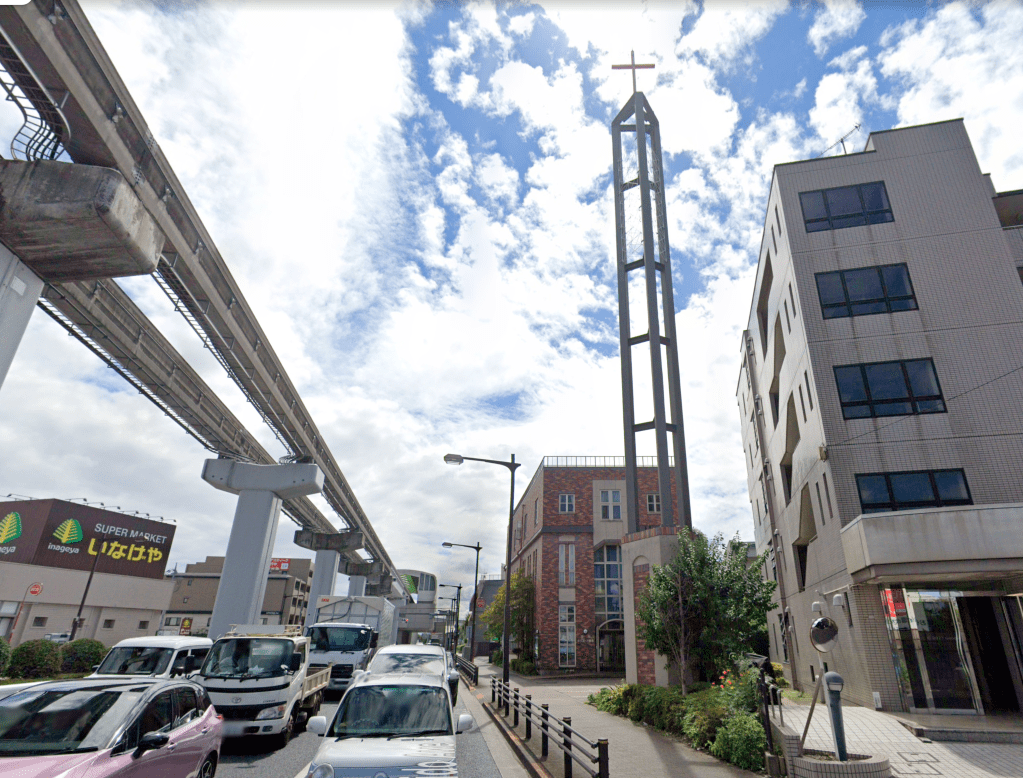
For over 60 years, the Tachikawa Church of Christ has faithfully stood in this area of Tokyo as witness to the Gospel. The congregation also serves as host for the Japan School of Evangelism which utilizes the classroom and library spaces on its second floor, and dormitory lodgings on its third floor. Nao Fukushima serves as minister and evangelist along with his wife Noriko. Tachikawa is one of Japan’s larger congregations, with a membership around 30 individuals.
When most people think of missionary activities, their first thoughts often tend toward evangelizing a local community and establishing a new church plant. Spreading the Gospel into new areas is critical Kingdom work, and for many missionaries around the globe this is the only option available. So when Emily and I talk with people about our plans in Tachikawa, they are often surprised that our work will focus on an existing congregation that already has a minister in place. There are several reasons for this.
It would be very difficult to plant a new church, legally. In recent history, Japan has had to endure reprehensible behavior from a variety of religious groups. From the sarin gas attacks in Tokyo subways by cult members to extortionist fundraising practices by other groups, a number of events have caused the Japanese government to be extremely reticent to issue new licenses under the national Religious Corporation Law. Ultimately, the behavior of these non-Christian groups has put the brakes on any process which would recognize a new church plant. Without this legal designation, it would be impossible to enter into contracts for rental agreements, bank accounts, building projects, taxes, and a whole host of other legal relationships needed to exist as a congregation. The best we could hope for would be to operate as a “satellite” location of an existing congregation, requiring the host group to sign for everything.
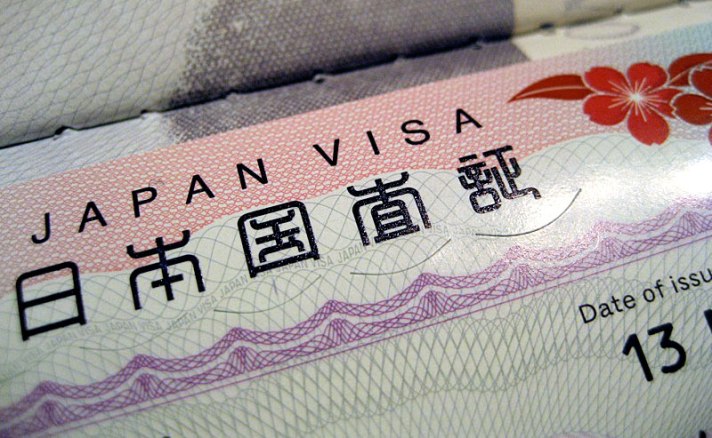
Similarly, the visa standards in Japan require Emily and I to be sponsored by an existing Japanese congregation. While it is possible to ask the Tachikawa congregation to sponsor our visa in order for us to work in a different place, we are hesitant to ask the congregation’s leaders to shoulder additional administrative responsibilities in this way. I am confident they would be willing to do so, since it is a necessity of the Japanese visa system, but we don’t wish to impose upon these brothers and sisters who already give so much of their time serving the Lord.
More importantly, Emily and I have committed to working with the Christians in Tachikawa because they have asked us to come. We see great opportunity for mission work within this church family and among this community. Although this congregation has a long history and faithful core membership, they have struggled to bounce back from the disruption of the COVID pandemic. Nao and Noriko Fukushima serve the congregation tirelessly, but they both must work secular jobs to make ends meet. Other core members faithfully help week in and week out, but the Tachikawa congregation would greatly benefit from an infusion of new energy. This is a main reason why they began seeking missionaries to come and join their work.
Godly mentors are a blessing to be treasured. As Emily and I transition to life as Japanese missionaries, there will be many personal and ministry challenges. By working with the Tachikawa congregation, we also get to deepen our relationship with Nao and Noriko Fukushima. These two have decades of experience working for Jesus in the cultural context of Japan, but they have also spent time in the United States while completing college degrees. In other words, they have experienced both sides of the transition Emily and I will be making. We have already grown so much through getting to know them. Taking this mentor relationship to the next level will help further equip us for the work ahead.
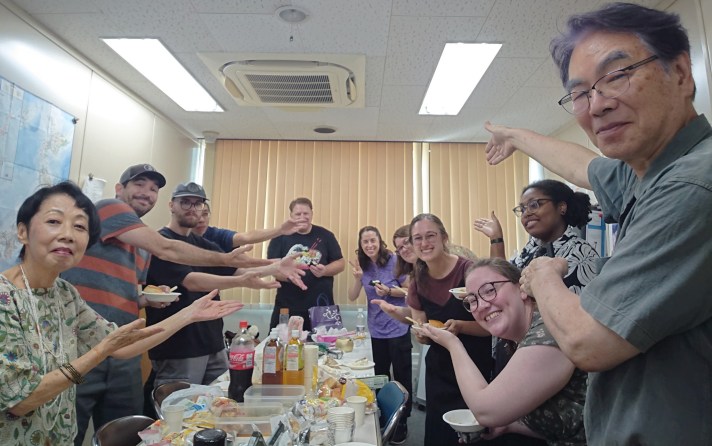
Our first two years on the field will be primarily focused on language study. Living and working in Tachikawa will allow easy access to an exciting opportunity. On the recommendation of Les and Sarah Taylor, we took some time this past summer to visit the Tokyo Academy of Communication. Located near Ochanomizu station in central Tokyo, this school teaches the Japanese language with missionaries and their families specifically in mind. Takahashi sensei and Yamamoto sensei (at far right and left in the photo above) were both very welcoming and encouraging. They even let us experience a whole day’s activities as a preview. It is clear that they approach language learning as Kingdom ministry, and we are looking forward to their guidance and coaching as we learn the intricacies of Japanese language and culture.
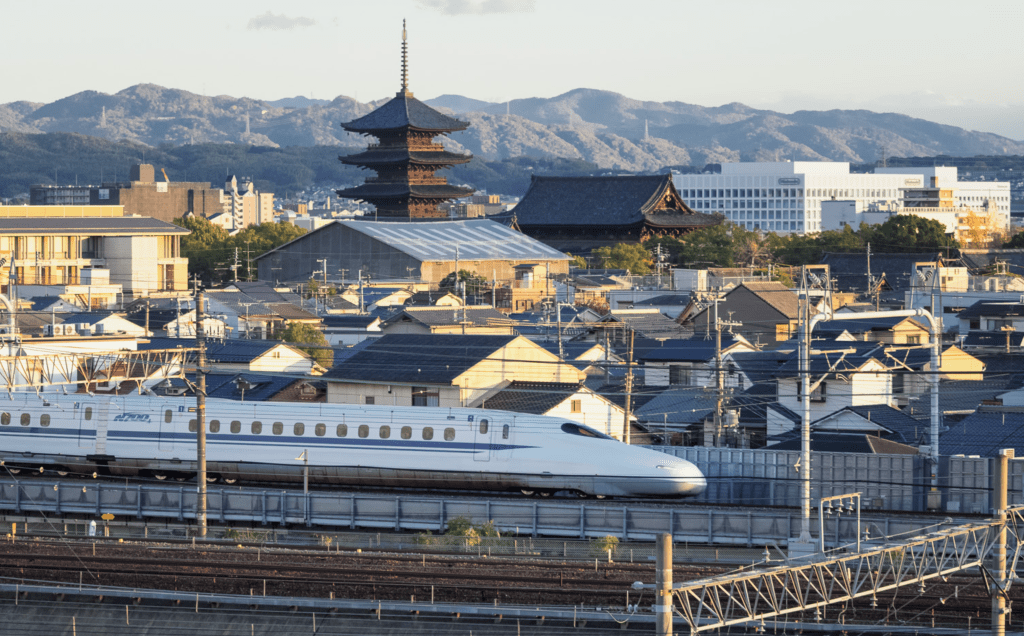
As a mission field, Japan is a very unique place. Everywhere you look, there are reminders that Japan is a curious blend of ancient tradition and modern life. As we learn to navigate this reality and seek to reach the people here, Emily and I are grateful for the many ways that working with the church in Tachikawa will help make our efforts more effective. We believe that God is already at work in this community. By listening to His word and looking to His leading, it is our conviction that the Spirit will give us the words to use and the opportunity to speak them.
~ Clay

 Fowlers in Japan