Each week during our communion time, we gather around table and reflect on the body and blood of Jesus – represented by small amounts of bread and juice. It is a central part of our time together during worship. In Luke’s account of the Last Supper, in chapter 22, we find the familiar phrase “do this in remembrance of me.” And so, we gather together each week to honor Jesus and observe the sacrament.
If you’re like me, each week during communion I think back to what it must have been like during that fateful Passover weekend – for Jesus, for his disciples, Peter, even Judas. Week in and week out I rehearse what I know of the death, burial, and resurrection of our Lord. As I should. As should we all.
Lately, though, I’ve been wondering if I shouldn’t be remembering more. When he said to remember him during this time, did He mean for us to just remember that one chapter of His story – or would it be better for us to remember the Story of Jesus in a more wholistic way?
The sacrifice and resurrection of Jesus might be central in our minds, but it is an old, old story as the hymn reminds us. Jesus life, for us, recalls thoughts of the past and distant memory handed down through the ages. Yet the story of Jesus goes way back beyond that. John’s first chapter tells is that “In the beginning was the Word, and the Word was with God, and the Word was god.” The story of Jesus starts at the very beginning.
Before you setup camp solely in the past, though, let me remind you of Matthew’s account of the Great Commission in chapter 28. Jesus tells his disciples “surely I am with you always, to the very end of the age.” As we remember Jesus, we are remembering the one who is Alive and present – seated on his throne.
You may have had the opportunity to know a Memphian named Darrin Ruddy. For a time, he was the campus minister at SOMA, the Christian student center at the University of Memphis. You can’t be around Darrin for very long before you hear him refer to Jesus. Except he almost always calls him “King Jesus.” It’s just one of many ways Darrin chooses to honor Jesus with his life. The Story of Jesus is past and present.
But, the Story of Jesus has another chapter. One which has already been written, but we have not yet been able to read. The Story of Jesus continues in the future as well. Nearly every NT author references the Second Coming. Jesus himself taught his disciples to be ever vigilant in this regard. As quirky as it may sound in English – we should always remember the future coming of Christ. Our weekly observance of Communion is the perfect opportunity to remind ourselves of the New Heaven and New Earth that is to come through Jesus Christ’s work in the world.
The Story of Jesus is our past, our present, and our future. May your next communion experience serve to help you remember Him better.
That is why we never give up. Though our bodies are dying, our inner strength in the Lord is growing every day. These troubles and sufferings of ours are, after all, quite small and won’t last very long. Yet this short time of distress will result in God’s richest blessing upon us forever and ever! So we do not look at what we can see right now, the troubles all around us, but we look forward to the joys in heaven which we have not yet seen. The troubles will soon be over, but the joys to come will last forever. ~ 2 Corinthians 4:16-18
For Paul, God’s power and glory aren’t just abstract ideas – they are realities to be experienced. The resurrection is already being inaugurated in the conversion of believers into the body of Christ. Therefore, the power of Christ in establishing his reign as the Son of God is already taking hold in the lives of believers who wage war against the flesh. The kingdom of God has already broken into the world, but it is not yet here in all its fullness. The fullness of God’s presence and the blessings this entails are still in the future.
In the meantime, suffering is a reality. It is Paul’s ability to endure and rejoice in the midst of adversity that reveals “the life of Jesus” to others. Paul reminds us that this future focus of our faith is the key to resisting the false gospel of focusing on a better life here and now. This self-denial type of faith isn’t just wishful thinking. Nor is it simply pretending our circumstances don’t affect us. For those who see the glory to come, though, this life isn’t really a sacrifice. As believers, we never give up more than we receive in Christ.
In order to follow in Jesus’ footsteps, an intimate relationship with God, a desire for the glory of his character to be shown, and a longing for the coming of his kingdom in all its fullness MUST replace our cravings for what the world has to offer. It wasn’t Paul’s gratitude for what Christ had done in the past that sustained him (though he was very grateful!). It was Paul’s hope for the future that sustained him! God is to be PRIZED above all. The ultimate purpose is the PRAISE of the glory of God’s grace.
You can’t praise what you don’t prize.
Put in different words, God is most glorified in us when we are most satisfied in him. Sin is what you do when your heart is not satisfied with God. Paul was thankful for Christ’s sacrifice – but Paul was more focused on a future with God – a future that will be so glorious that nothing in this world can compare. The more you allow that future to determine your present, the stronger your faith will become.
Prayer Prompt: Think about something you desire more than God’s glorious future. Then spend some time in prayer asking God to help you let that thing go.
Note: As I continue to learn the Japanese language and culture, these Spotlight posts seek to highlight things I find curious, interesting, and meaningful. The relationship between language and culture runs deep. In fact, there are many points where it gets hard to tell one from the other. “Language is not merely an indifferent mechanism for cataloguing men’s experience but the language itself affects the cataloguing process…. The language system of each culture is a fluid factor in culture; it varies with each generation and serves as clue to its thinking as well as actually coloring and molding this thinking.” In other words, if I am going to learn how to reach Japanese people, I need to understand how Japanese people think. The process of how they think is intimately intwined with the language they use. Unfortunately for us, it goes far beyond simply using “Google Translate” to come up with the right vocabulary. Language embeds the foundational concepts of culture into everyday interaction. So, deeper we go into this wonderful world of language exploration! Much of this information comes from Charles Corwin’s Biblical Encounter with Japanese Culture (Tokyo, 1967).
Japanese usage of the word yorokobi usually involves the emotional response to a pleasant situation. Today, most Japanese would consider it to be similarly defined as “celebration” or “gratitude” or “enjoy.” Digging a little deeper, though, there is a tension within Japanese culture that gives this word some pause. The Japanese, as a people, tend to walk back and forth between the two poles of Buddhist pessimism and Shinto optimism. Scholars debate as to which pole has had the stronger influence on Japanese thinking, but some evidence seems to suggest that the Buddhist line holds the slight edge.
Buddhism’s over-concern with sufferings and man’s escape from the hopeless cycle of existence has made joy an unknown concept in their train of thought. The word doesn’t even appear in some Buddhist dictionaries. The many Shinto shrines with their festivals have monopolized this aspect of the Japanese emotional experience. Still, the strong undercurrent of Japanese culture is to play down any joyful expression lest you come across as superficial or trying to be “Western” in some way. To show off what joy you might be experiencing would draw attention to yourself in a way that would be detrimental to those around you who are not experiencing it. Since Japanese culture operates from a group-first paradigm, this sort of placing yourself above your peers, as harmless as that seems to Westerners, shows severe lack of consideration for your neighbor.
One key aspect to Christian joy that is completely absent in its Japanese version is a sense of purpose. Rather than our joy being sourced from our response to a pleasant situation, we experience joy as a result of much deeper forces. The Christian’s joy is rooted in the confidence in our relationship with our Creator, the one who sustains us. Because we have this sort of relationship with Jehovah God, we can experience both pleasant and unpleasant circumstances with a measure of joy. This joy comes not from the actual feelings produced by those circumstances, but from the knowledge that through God’s providence and mercy, these experiences are purposeful. Even when we can’t quite put our finger on that purpose directly or articulate it to those around us, God’s Spirit works within us to remind us that His ways are perfect and intend for our blessing.
What a difference! By giving us purpose and meaning, God has enabled us to experience a Joy that is infinitely deeper and more meaningful that simply being able to experience good feelings with pleasant things happen. Moreover, this sort of Joy gives us comfort during the many times when pleasant things seem to be far away and out of reach.
May you experience the Joy of the Lord in all its many forms in your day to day walk.
Note: As I continue to learn the Japanese language and culture, these Spotlight posts seek to highlight things I find curious, interesting, and meaningful. The relationship between language and culture runs deep. In fact, there are many points where it gets hard to tell one from the other. “Language is not merely an indifferent mechanism for cataloguing men’s experience but the language itself affects the cataloguing process…. The language system of each culture is a fluid factor in culture; it varies with each generation and serves as clue to its thinking as well as actually coloring and molding this thinking.” In other words, if I am going to learn how to reach Japanese people, I need to understand how Japanese people think. The process of how they think is intimately intwined with the language they use. Unfortunately for us, it goes far beyond simply using “Google Translate” to come up with the right vocabulary. Language embeds the foundational concepts of culture into everyday interaction. So, deeper we go into this wonderful world of language exploration! Much of this information comes from Charles Corwin’s Biblical Encounter with Japanese Culture (Tokyo, 1967).
Chie (wisdom) is a key concept in Buddhist thought. It can be defined as that which is gained through removal of passions and illusionary conceptions and focusing on becoming free from taint. Thus in many ways in Japan, wisdom is thought of as the mental ability to distinguish what is true from what is false and alternatively as the ability to make decisions through eliminating doubt. Curiously, this word can sometimes also mean bad wisdom, as in ideas that appear to be wise but can lead someone away from the true (perfect) form. Weird!
The Old Testament, however, wisdom includes the idea of skillfully reaching the right end by the right means, but it goes beyond that. Because Biblical wisdom is fundamentally from God and not man, its fullest form will also blend in a sense of goodness or righteousness. Even though “worldly wisdom” may seem to be productively advancing a particular culture and society, if it does not find its locus in God himself, then it is actually folly in disguise.
New Testament writers applied this concept to Jesus directly. Wisdom is deemed to be true wisdom when it aligns with Christ. For Paul, Christ Himself becomes a reservoir of wisdom and the incarnation of the very wisdom of God. So, Japanese Chie is the ability to discover basic principles and the “essence” of things. It can even be the ability to destroy the illusion of opposites and misconceptions. Chie boils down to simply a mental process by which knowledge is applied correctly to a situation yielding the right decision. We might think of it more in terms of “intelligence.”
While Biblical wisdom seems at first glance very similar, it has a very different foundation. It has its locus in God, beginning from Him and effecting a clearer knowledge of His will. Wisdom isn’t just knowing what to do in a given situation. Wisdom is knowing what to do because how it will align with God and foster a deeper understanding of His will. Ultimately, Biblical wisdom is finally found in the person of Christ.
So, even the naivest of men, if united to Christ as the source of wisdom, can walk through this world with confidence.
When something happens, we humans have a tendency to look back at it and wonder why. More specifically, we sometimes think back to the circumstances surrounding that event and mentally tinker with the timeline and try to imagine what might have been different if this fell one way (rather than the other) or if that occurred later (or even earlier). I suppose that’s just natural curiosity for the most part. It is also an integral part of the way we humans learn from our experiences as we consider how things might have come out differently when our actions are modified. These musings, and the lessons learned from them, can help inform our choices when similar situations arise in the future.
However, sometimes we look back and can’t help but wonder if someone else might be active. Maybe it seems like the details, viewed from our limited perspective, line up a little bit too neatly. When most other arenas in life seem to be quite random, it can catch our attention when we detect a more uniform pattern in the way our daily lives swirl around us. After all, we see numerous examples of this phenomenon. We instantly recognize that straight rows of trees were obviously planted intentionally by someone years ago and didn’t grow that way as part of some naturally occurring forest. If you spend much time outdoors, it becomes pretty obvious which trails were naturally carved by deer and which ones were built by the US Army Corps of Engineers. When playing a board game with friends we get quite suspicious if one of them starts rolling two pairs of sixes every time they tossed the dice.
In most places around the world, people aren’t content to simply ponder these types of events when they happen. They are ready to go the next step and assume there must be some sort of explanation even if they don’t immediately know what that is. Here in the West, we automatically assume someone set things up that way or pre-programmed some sort of system to arrange matters or some other logical explanation. For tribal or more animistic cultures this can often include the belief that some sort of spiritual power is at work – for good or for ill. They will even do whatever they can to influence these powers with rituals and totems and by venerating certain relics and mystical practices. Many Eastern cultures pay careful attention to undertaking important events on certain auspicious days or times in hopes that these unseen influences will increase their success.
As Christians, we know that God is active in the world today. His Spirit is with us continually as a guide. In the well-known verse from Romans, Paul reminds us that “in all things God works for the good of those who love him…” and in the rest of Chapter 8 we see that Paul is not interested in this good simply being a by-product. The goodness imparted by God when He is “working all things” directly contributes to our becoming “more than conquerors” over all that which might separate us from His love (death, life, angels, demons, present, future, powers, heights, depths, anything!). So, that begs the question of figuring out whether or not something is merely chance or was it the providence of God?
I recently was reminded of this when Emily and I took a weekend trip to see our son in college. It was going to be a “regular, quiet” weekend here at the house. Emily had a work commitment Saturday morning, but it didn’t take much time. When she returned home, I asked her if she might be game for a last-minute trip to Searcy to catch that evening’s Harding Football game, hang out with Ben and Naomi for a bit, grab a hotel room for the night, and do Worship and lunch the next day with them. No grand plan, no itinerary to keep track of, and no commitments to meet. Just a fun getaway to sneak in a little time together before the Fall holiday season really gets going and things get crazy/busy again.
By the time we were driving back to Memphis Sunday afternoon, we couldn’t help but remark on just how many people we crossed paths with in the previous 30 hours. Of course, we got to spend some good time with Ben and Naomi, which was our priority, but by my unofficial count we had at least 25 separate “chance” encounters with people that included some sort of meaningful interaction beyond a simple wave and saying hello. Wow! Several of these interactions, completely unplanned by us, turned out to be very helpful with respect to planning for Ben and Naomi’s wedding in January. We even managed to setup a meeting in a couple of weeks to discuss our desire for mission work in Japan with a member of Harding’s Global Missions department.
So, back to our question: was it merely chance or was it providence? I’m not sure it is in our best interest to try and press that question too far. After all, our limited perspective and human tendency to overlook our own flaws might force an answer which is neither helpful nor correct. Caveats considered, though, I do think God was at work this weekend in the way we had opportunity to connect with people. I won’t go so far as to concretely, definitively pronounce that each interaction was heralded directly from heaven, since I have neither the wisdom nor insight to make such a proclamation. Further, I recognize the vital role that Faith plays in our lives here on Earth. When I lean into that Faith and start to trust God to work everything out without needing to understand it all myself, I suddenly feel less compelled to try and determine the issue of chance versus providence at all.
I will simply stick to what I know, and let God do His thing as He wills and wants to do it. It’s fun to think about all of the ways that God “works everything out”, but this side of heaven I don’t need to know for sure. In the meantime, I find comfort in Isaiah’s word that “God has me in the palm of his hand.”
Note: As I continue to learn the Japanese language and culture, these Spotlight posts seek to highlight things I find curious, interesting, and meaningful. The relationship between language and culture runs deep. In fact, there are many points where it gets hard to tell one from the other. “Language is not merely an indifferent mechanism for cataloguing men’s experience but the language itself affects the cataloguing process…. The language system of each culture is a fluid factor in culture; it varies with each generation and serves as clue to its thinking as well as actually coloring and molding this thinking.” In other words, if I am going to learn how to reach Japanese people, I need to understand how Japanese people think. The process of how they think is intimately intwined with the language they use. Unfortunately for us, it goes far beyond simply using “Google Translate” to come up with the right vocabulary. Language embeds the foundational concepts of culture into everyday interaction. So, deeper we go into this wonderful world of language exploration! Much of this information comes from Charles Corwin’s Biblical Encounter with Japanese Culture (Tokyo, 1967).
Here in the U.S., many characteristics and practices of the Christian faith are so well-known that they become part of our culture and you can simply refer to them by name. Most people have a pretty decent grasp of what you are referring to – even if they aren’t Christians. It is part of what makes the fabric of our culture, and so you hear it frequently in our daily lives coming from a great variety of places. The concept of prayer is no different. For most Americans, the idea of prayer naturally just comes with the related (but distinct) idea that there is someone you are praying to. In Japan, however, things are a bit more obscure.
As a land dominated by the dual influences of Buddhism and Shintoism, Japan has a very different experience with prayer. In the first place, Buddhism (in its purest form) has no God which might hear prayers. Buddhists rely on sacred texts which serve to help them refine their own thinking, but the version of prayer that Buddhist adherents perform are not petitions as we know them. Instead, they are simply expressions of their conviction to attaining buddhahood. In other words, rather than sending prayers out to some deity, they are turning their prayers back inward to influence their own thinking.
Shinto, on the other hand, believes that a whole pantheon of kami exists in the world, particularly in nature. They might be guardian spirits, deceased ancestors, or other undefined spiritual forces which exert influence over daily life. Consequently, practitioners perform specific actions such as clapping and ringing bells, particularly at public facilities where these kami are enshrined. They hope that the actions will serve to announce their presence to the kami and attract its attention so that their petition for some kind of material blessing might be heard.
Christian prayer, on the other hand, has a relational dimension that gives it a completely different foundation. As we seek to deepen our personal relationship with a loving and responsive Father God, our prayers take on a much fuller role. Jesus’s teaching on prayer and especially his example of a life rooted in prayer is very illustrative. One scholar put it this way: “The prayer of Jesus is so much an attitude that the individual acts are secondary; yet the Christ who is in such constant touch with God can also turn to the Father in petition and intercession and intercede for His own.” Prayer, for a Christian, includes a certainty of being heard. There is no need for getting God’s attention, because prayer is rooted in an existing relationship with God.
The difference in concept between Japanese culture and Christian thought can be large. In Japan, man initiates and calls forth a spiritual power to assist him with a specific need or goal. For the Christian, prayer is instead a response to the loving providence already provided by God and any petitions which might be made are done so in confidence that God will ultimately provide the very best for His people. Prayer is a natural extension of an already established personal relationship initiated by God.
Currently, it is about two weeks since Emily and I returned to the USA. Knowing what to write has been a challenge! There are many in-between moments right now. I have wrapped up my summer HST course by submitting the final assignments, and it is a couple of weeks until the Fall semester’s class gets started. This week I am busy getting ready for the start of another year in the library at Parkway Village Elementary here in Memphis, but to be honest I don’t have near the amount of preparations needed as the homeroom teachers do. Jet lag is done, but the days of setting early alarms and getting off to school each morning are right around the corner. It seems like a brief moment to just breathe.
And yet, in many ways we have experienced an “in-between-ness” within as well. This past Summer was a very meaningful time connecting with precious people in Japan, and now we are back here in the US with family and friends. We miss our friends in Japan deeply, and enjoy reconnecting with those here. Even mundane things have an effect on you when you experience them differently. Case in point: taking out the trash. After six weeks of figuring out the various ways of categorizing and processing our trash in Tachikawa, it feels a little weird going back to putting a few items in recycle and the rest in the main garbage bin. A second area might be getting used to cars again. American cities are so spread out and car-focused that I can’t imagine trying to adapt them to a high-capacity public transport network like we enjoyed in Tokyo. It was certainly convenient to just hop on the monorail and zip down to another part of town. And yet, we do enjoy the urban forest that Memphis moves through daily. Although I question it each time I pull out the lawn mower, having the space for all of that greenery to thrive is a luxury in itself.
We find ourselves in an in-between space in life, too. Emily and I are in those peculiar years of transitioning from parenting full-time to launching our two babies into the wider world around us. In many ways, we are learning to start again and figuring out what our roles are as parents of young adults. After all, since our youngest turned 20 in June, this Summer was our last one with teenagers! Considering long-term mission work in Japan adds a layer to these transitions as well.
This Summer’s work in Tachikawa was a blessing to us as much as it was to the people there. Several people told me that our presence was encouraging and energizing to the church members there. I feel like our English readers were beginning to ask meaningful questions as we slowly made our way through the book of Luke. Our music class families found a place where they could enjoy community and space to explore and experience new things together. In many ways, we felt like we were just getting started when it was suddenly time to leave. We are looking forward to returning next Summer and building on the momentum gained from what God did through us this year. Ultimately, we hope that each of these avenues of building relationships have planted seeds of faith. May those seeds sprout strong and healthy and, in time, grow to become fruitful parts of God’s kingdom in Japan!
One of our objectives this Summer was to evaluate our internal responses to life in Japan. We have an eye on long-term missions in the future, and it is important to consider our own ability to adjust to life in another place. Although six weeks is not sufficient to start the process of culture shock or get a deep understanding of how we will adjust to life in Japan, it is long enough to start imagining ourselves there. These six weeks went by very quickly and I believe that is partly because we had a sense that we were where we were called to be – and enjoying the process! Often when traveling far from home, many feel like a fish out of water. We both realized that wasn’t the case for us. Even with language being a challenge (more so for me than for Emily!), in some ways that are hard to explain, Japan started to feel a little like a second home.
Most importantly, these six weeks confirmed that God is alive and working in Japan. Although they are small, the churches in Japan are tenaciously faithful. In many places, particularly places like Africa and South America, mission work can feel like working with a river. In Japan, it can feel more like working with a glacier. You know that the glacier is moving, even if it is hard to perceive day-to-day. Try as we might, there is not a lot we can do to influence something as immense as a glacier when viewed as a whole. Yet, when you get up close, there are many cracks, crevices, and ice caves to explore and we find opportunity for the Gospel of Jesus. Glaciers reshape the landscape powerfully, as rivers do, if we can exercise the patience to work with them. This Summer showed us that Japan desperately needs kingdom workers. It also confirmed that Emily and I have unique experiences and gifts that could be very useful there as well. We ask for prayers as we work through this discernment process.
God desires that everyone comes to know the blessing of living life in community with Him. Emily and I desire this as well, and we want to be in the place where God can best use us toward that end.
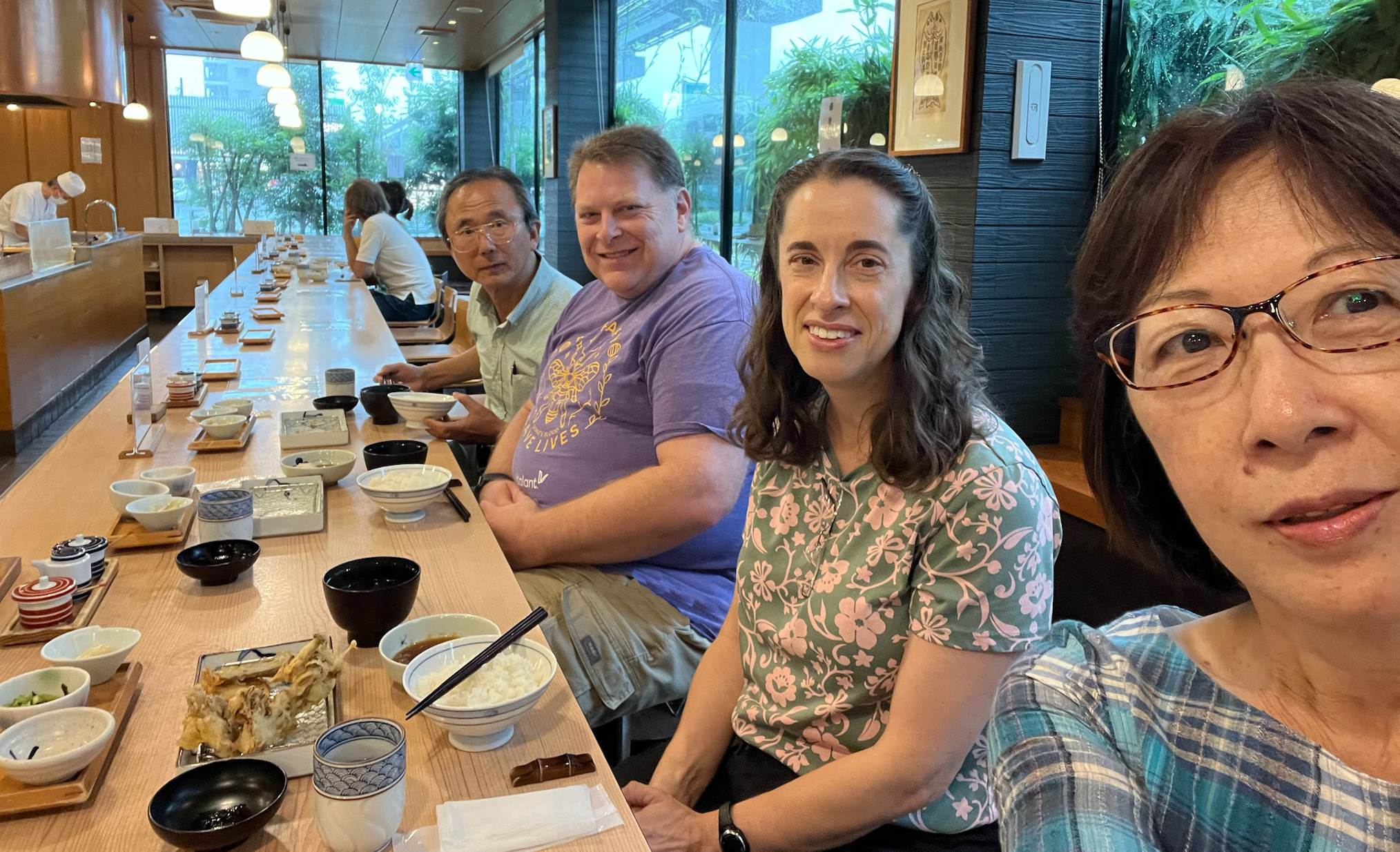
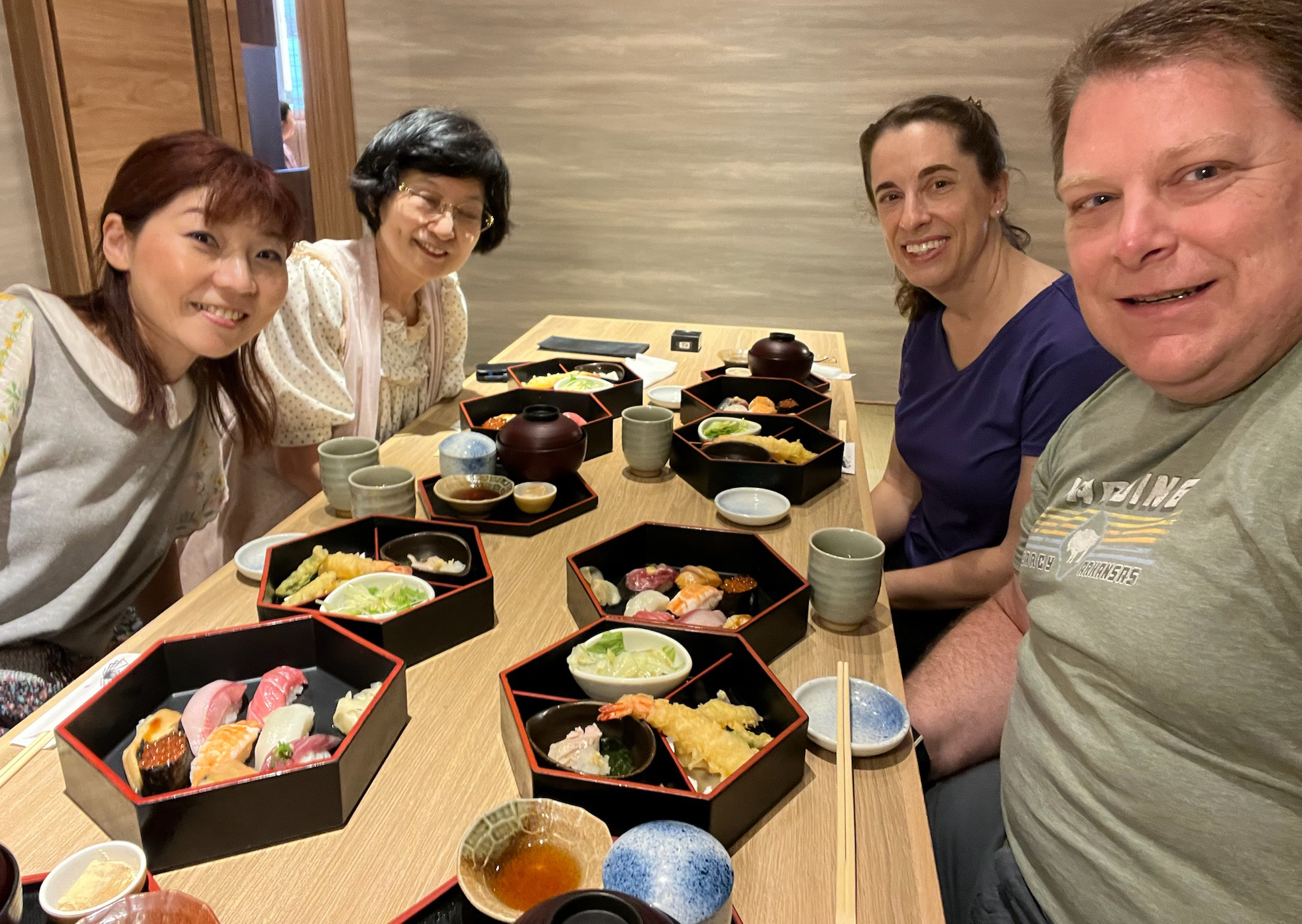
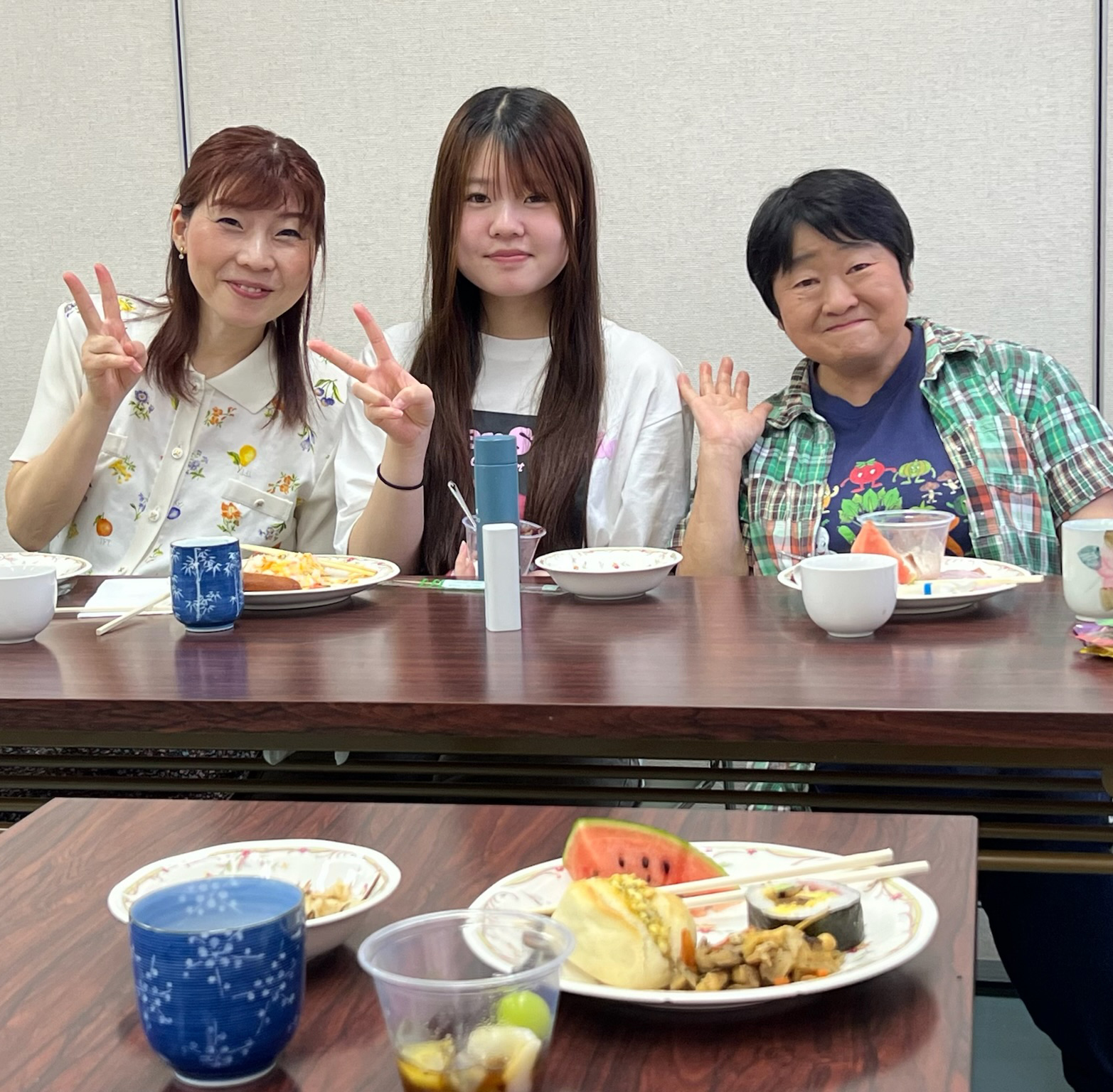
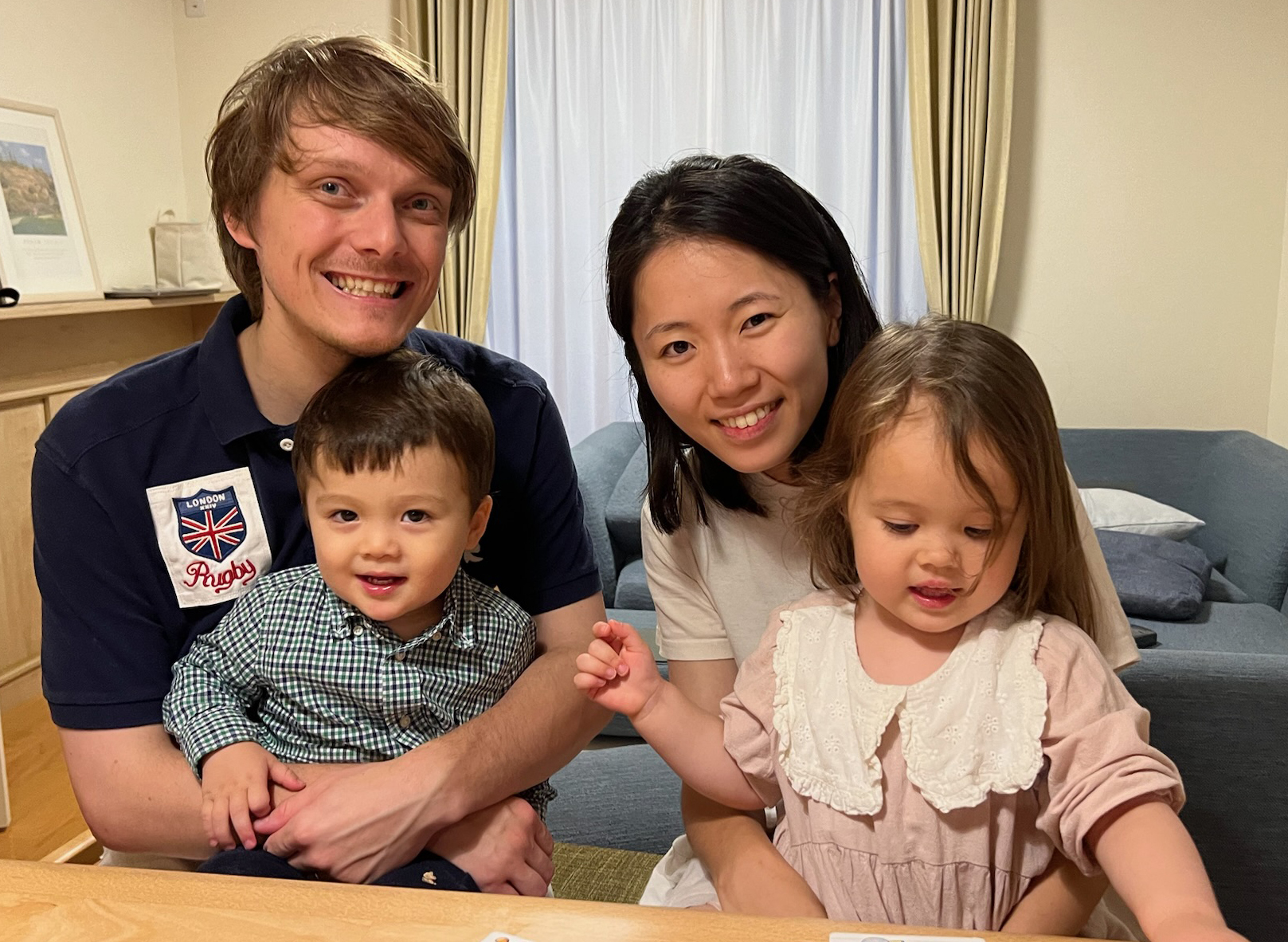
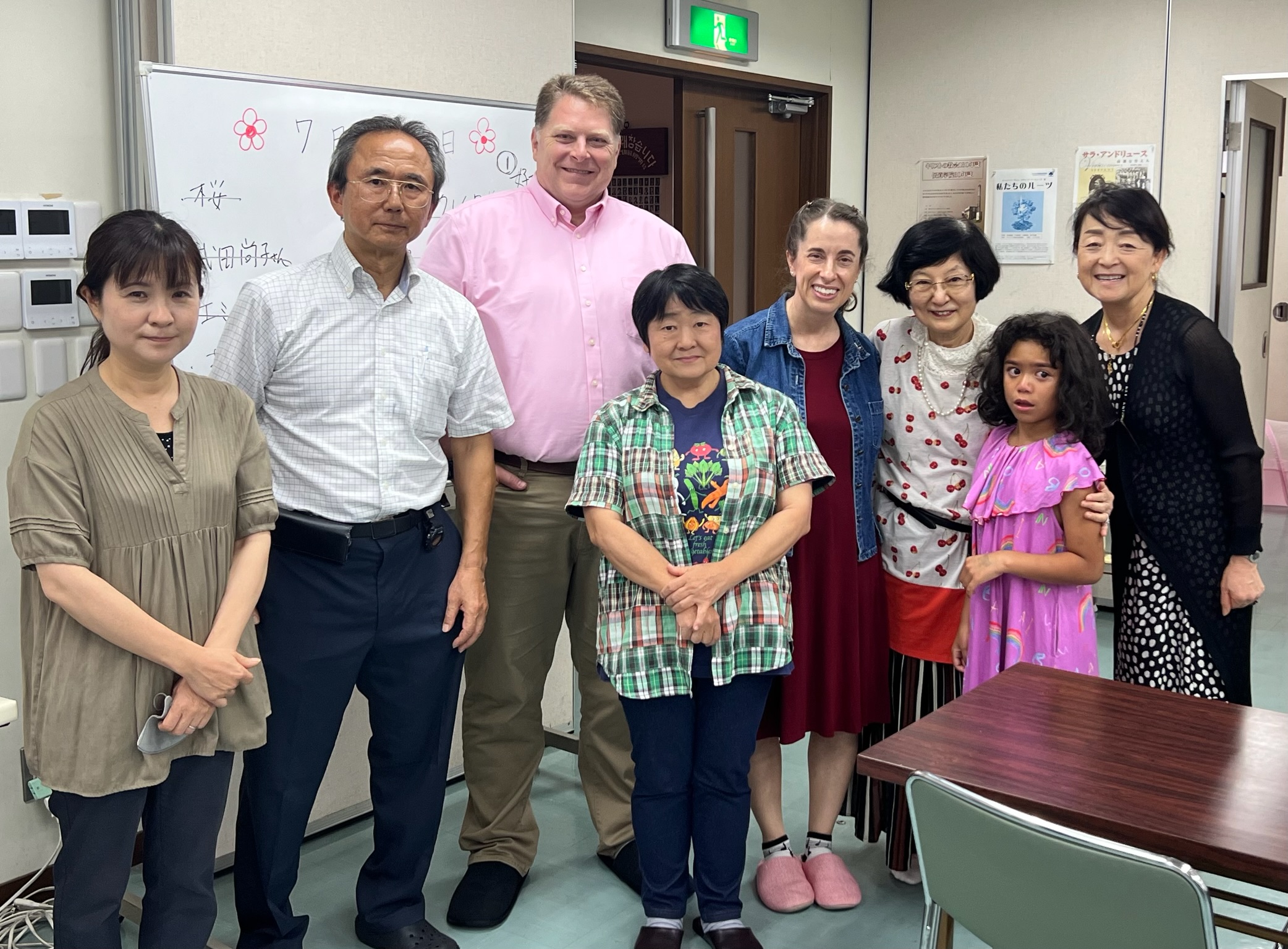
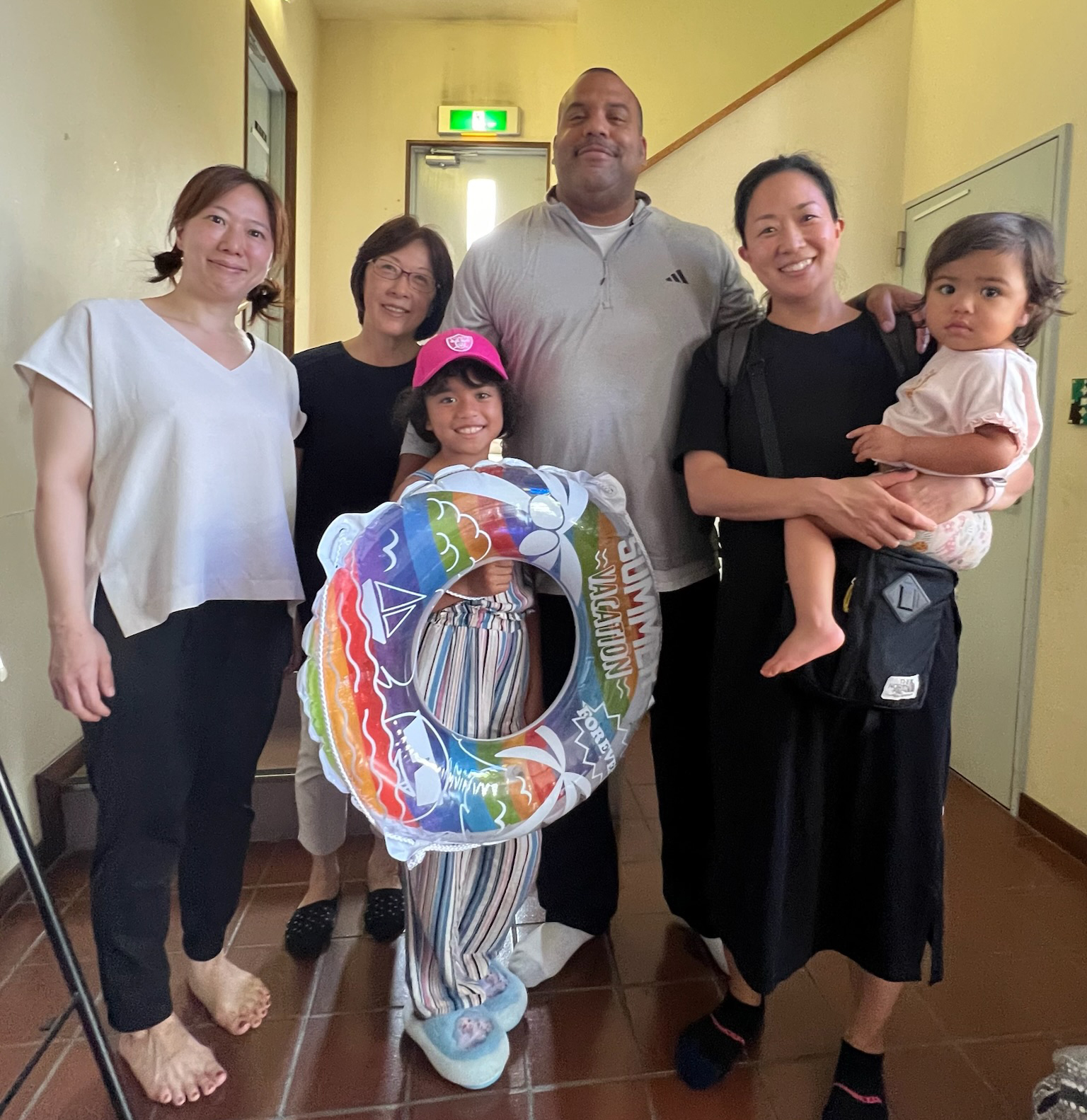
Week Six is our last week. We have been incredibly blessed to be here, and the main reason is all of the wonderful people that we have spent time with during our stay. The pictures above are just from this week, but there are so many across the entire trip that have found places in our hearts. Despite their small number, the Christians in Tokyo are shining the light of Jesus brightly. We have been on the receiving end of such great love and hospitality these past weeks, and it is hard to say goodbye for now. We have plans to return the Summer of 2025, so for most of these sweet people we can happily say, “See you later!” Although there are many things to love about Japan (clean and safe streets, awesome public transportation, delicious food, and more!), it is the people that we will miss the most when we return to Memphis.
Our final English sessions and music classes went well. These are such sweet groups of people, and we enjoyed our last moments with each one. Many in both groups said they would be eager to see us back again next Summer, so we are looking forward to building on the successes of this trip when we return in a year. We are praying in the meantime that God will be working in the hearts of these readers and families. Hopefully next year, they will all be able to return and bring their friends!
I preached my third and final time this week. My message to the kids was all about bringing light into the darkness because then we can see! I played a little hide and seek with them, related how being in the dark is like being lost, and how shining the light of Jesus helps lost people find their way. Then we sang “This Little Light of Mine” before they headed upstairs for kid’s class. My sermon to the congregation tied up thoughts from the previous two sermons and drove home the idea that Jesus is the ultimate solution to humanity’s sin problem. As a result we are free to live our lives as a community in God’s presence, the real reason Eden was paradise.
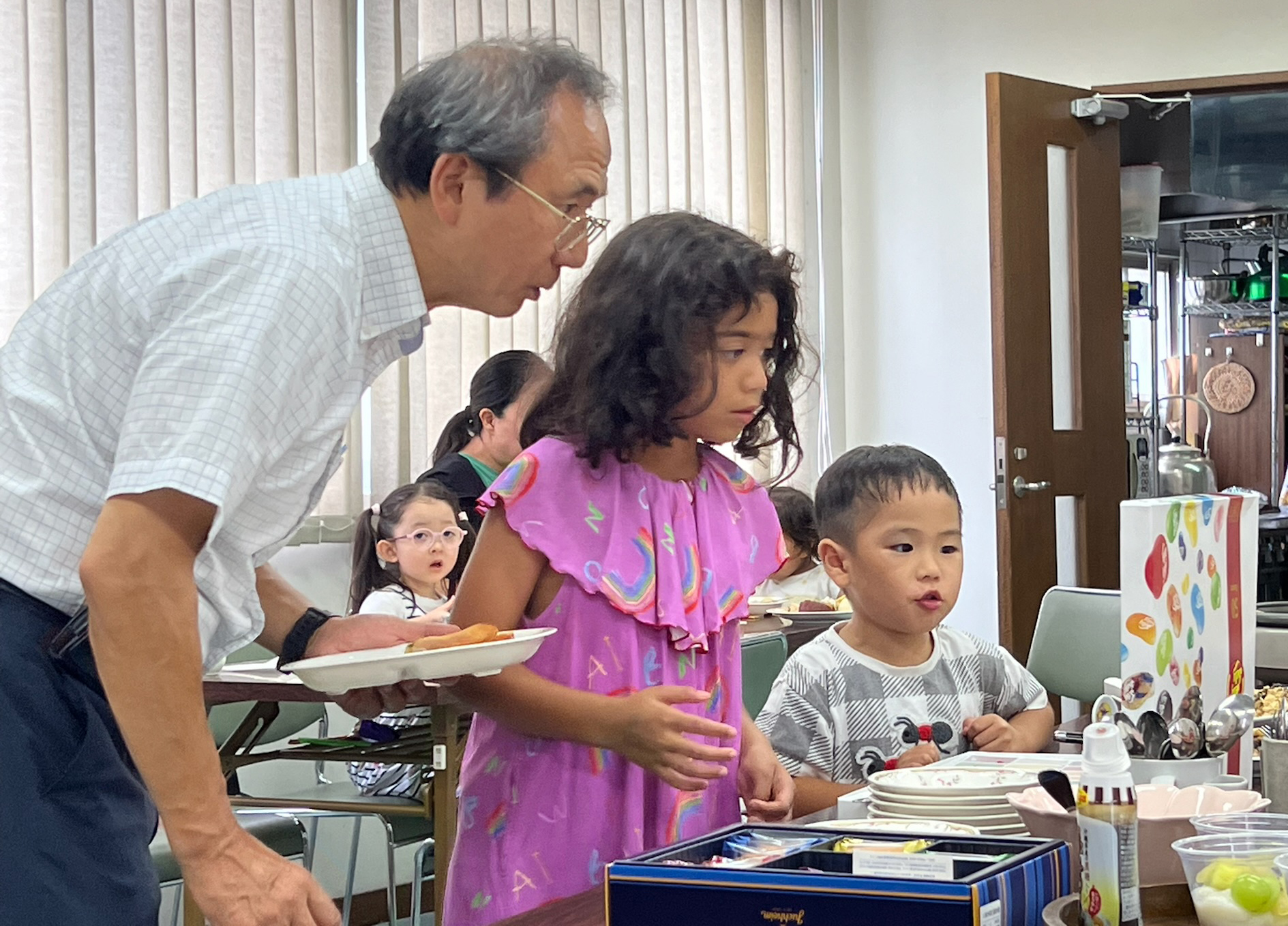
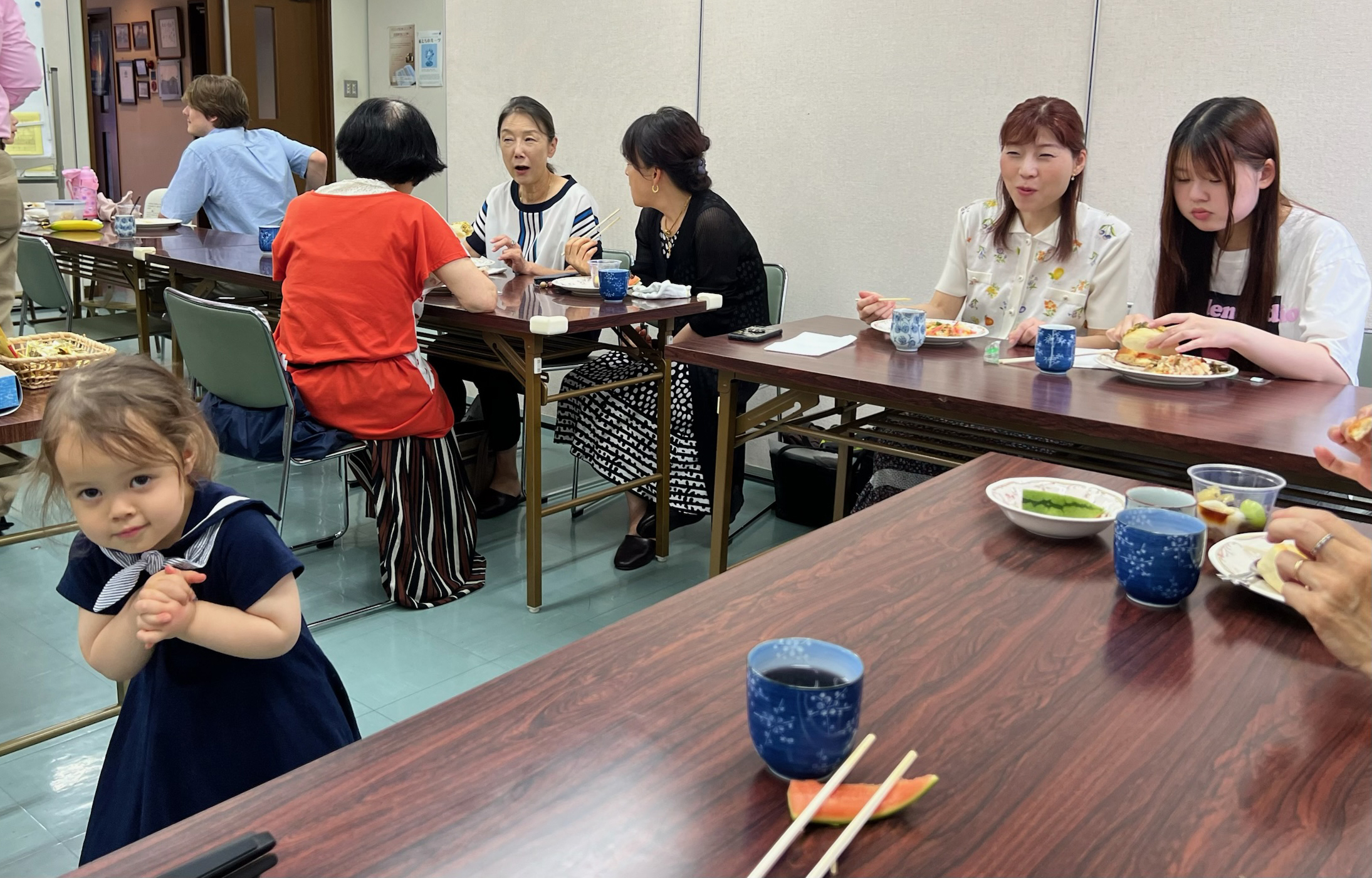
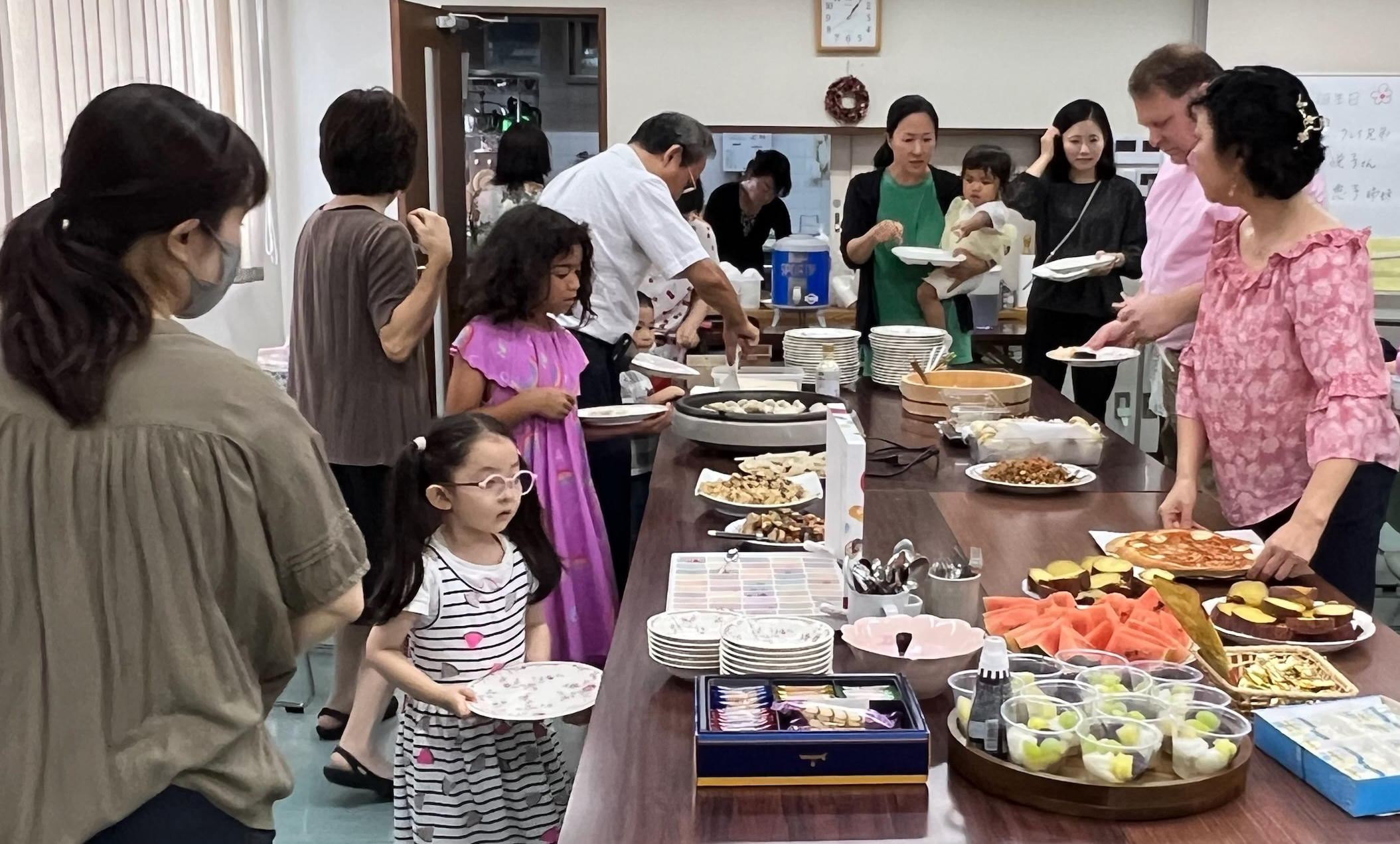
After worship, the congregation held their usual 2nd Sunday potluck meal, but also took the occasion to bid us farewell. These are always such rich times of fellowship, and the food was quite tasty, too! We brought several Jelly Belly 50-Flavor packages on this trip to give as gifts and put our last one out at the meal. It was a hit! Everyone enjoyed sampling the various flavors, and you can see (above left) Nao-san and two of his grandkids thoughtfully picking out their next choices. It was an all-around wonderful final meal together with everyone.
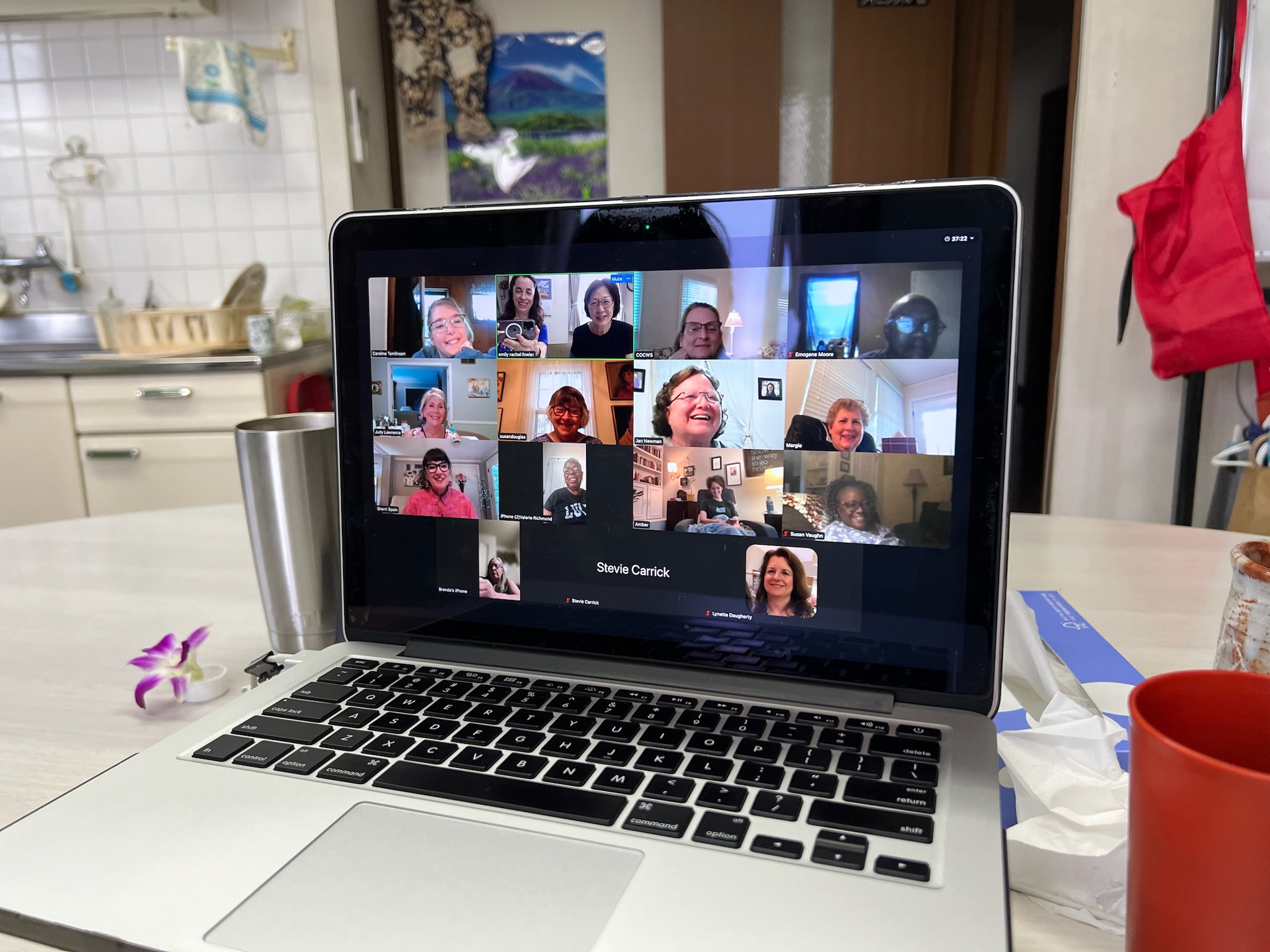
One of the challenges of being half-way around the globe is staying connected with those you love back home. Of course, it has never been easier with the technology we have today, but you still feel it. The pictures above are missing some important folks because in that moment it doesn’t usually feel like an activity worth documenting for mission purposes. Thankfully, Emily captured a couple of images this week of chatting with folks back home. We enjoyed talking with family regularly via FaceTime, VoIP, and Zoom. Emily even got to continue meeting with her Wednesday PM Ladies’ Class on Thursday mornings! I can’t imagine what missionaries a hundred years ago went through. Sometimes they didn’t see their spouses for months at a time. I certainly am glad that we have the means today to connect like this. It helps keep us going!
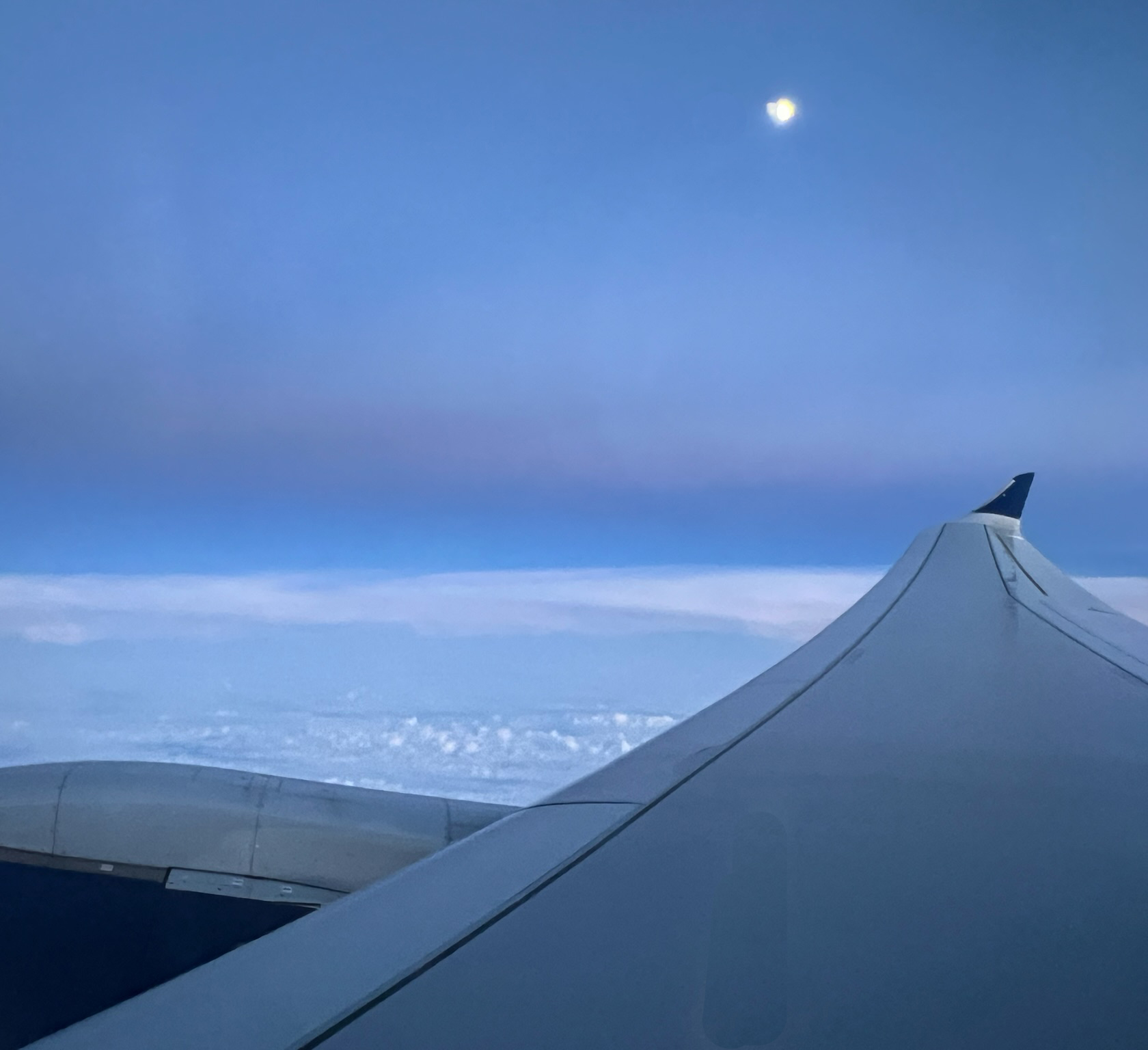
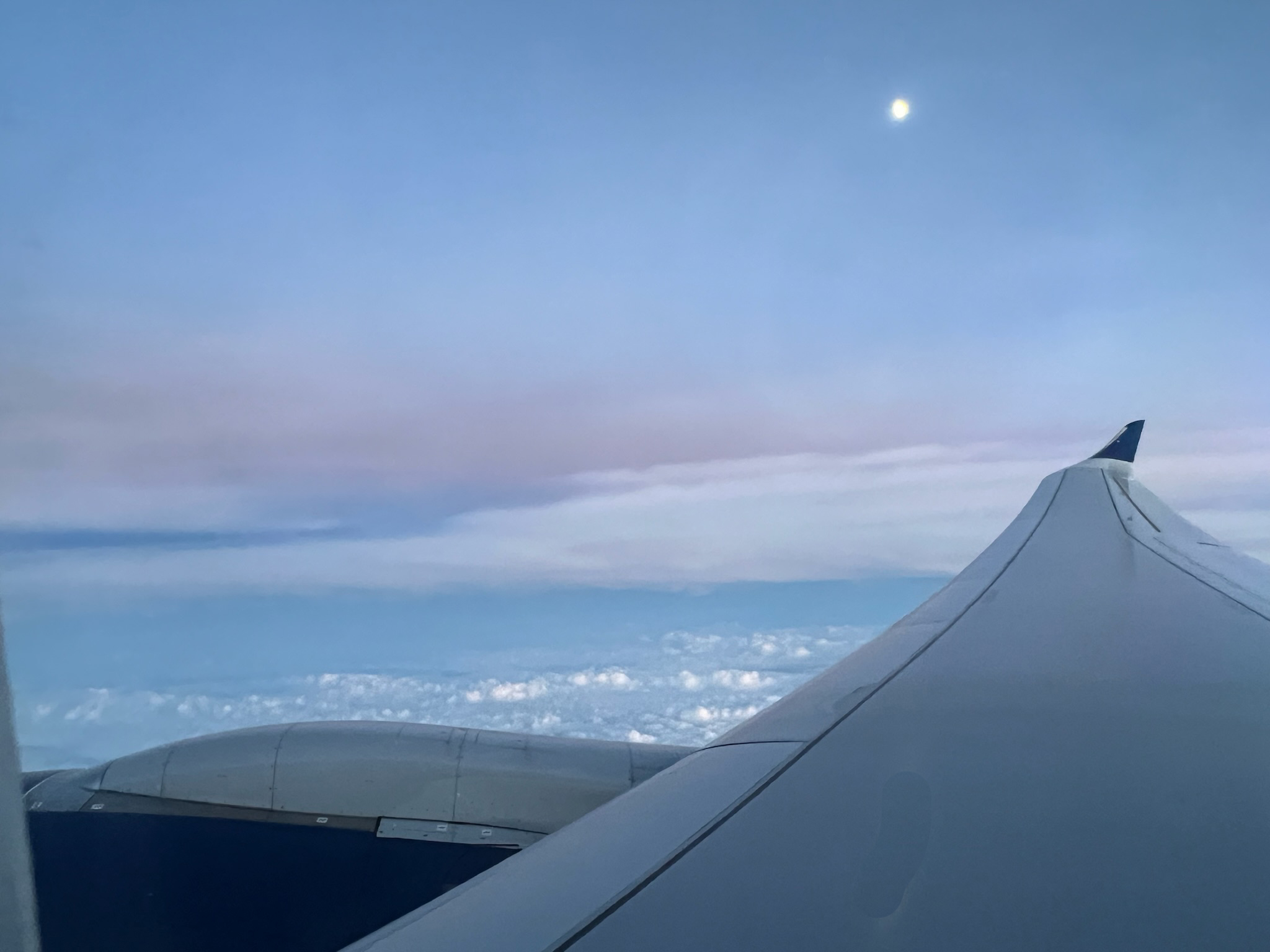
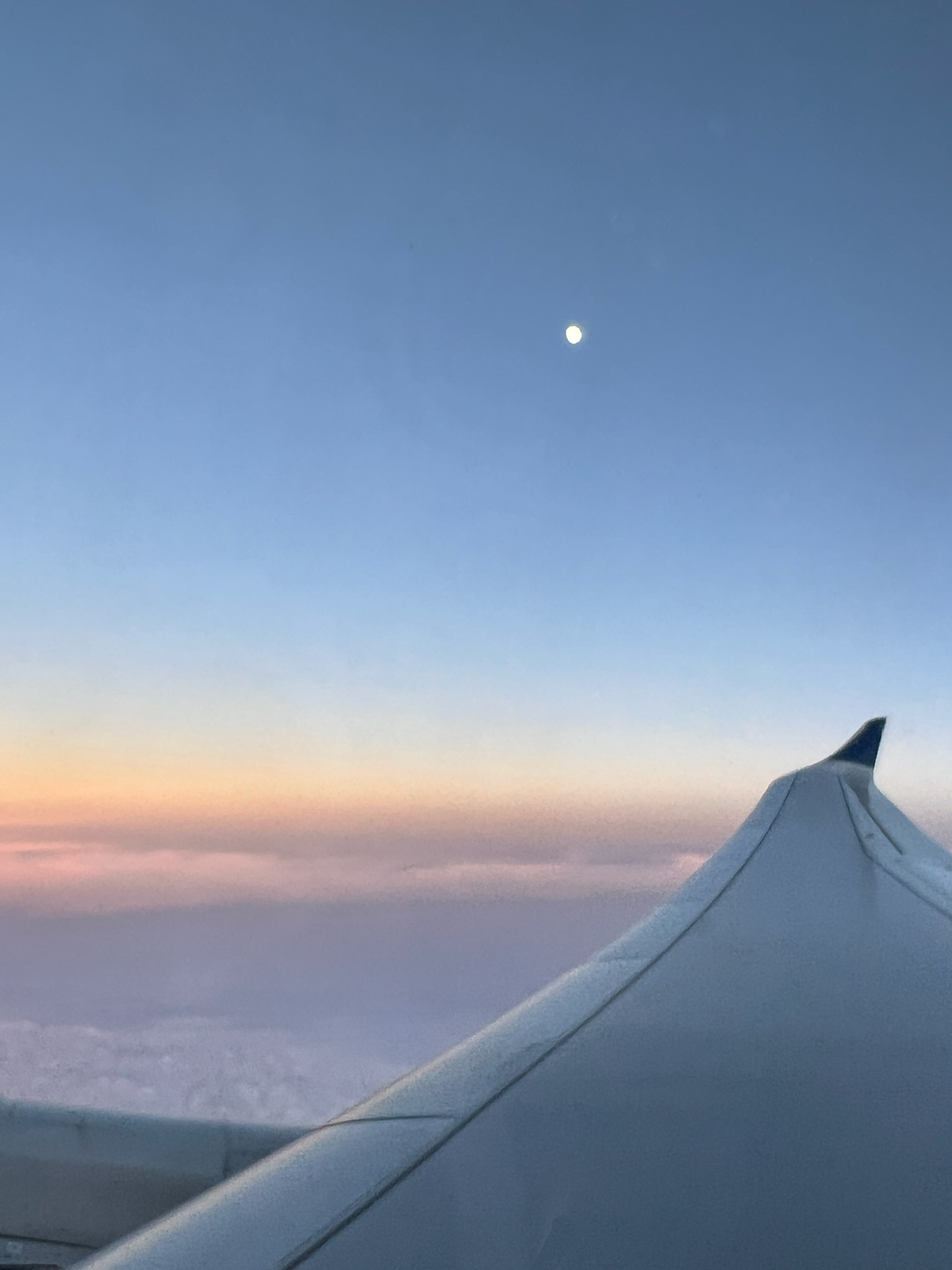
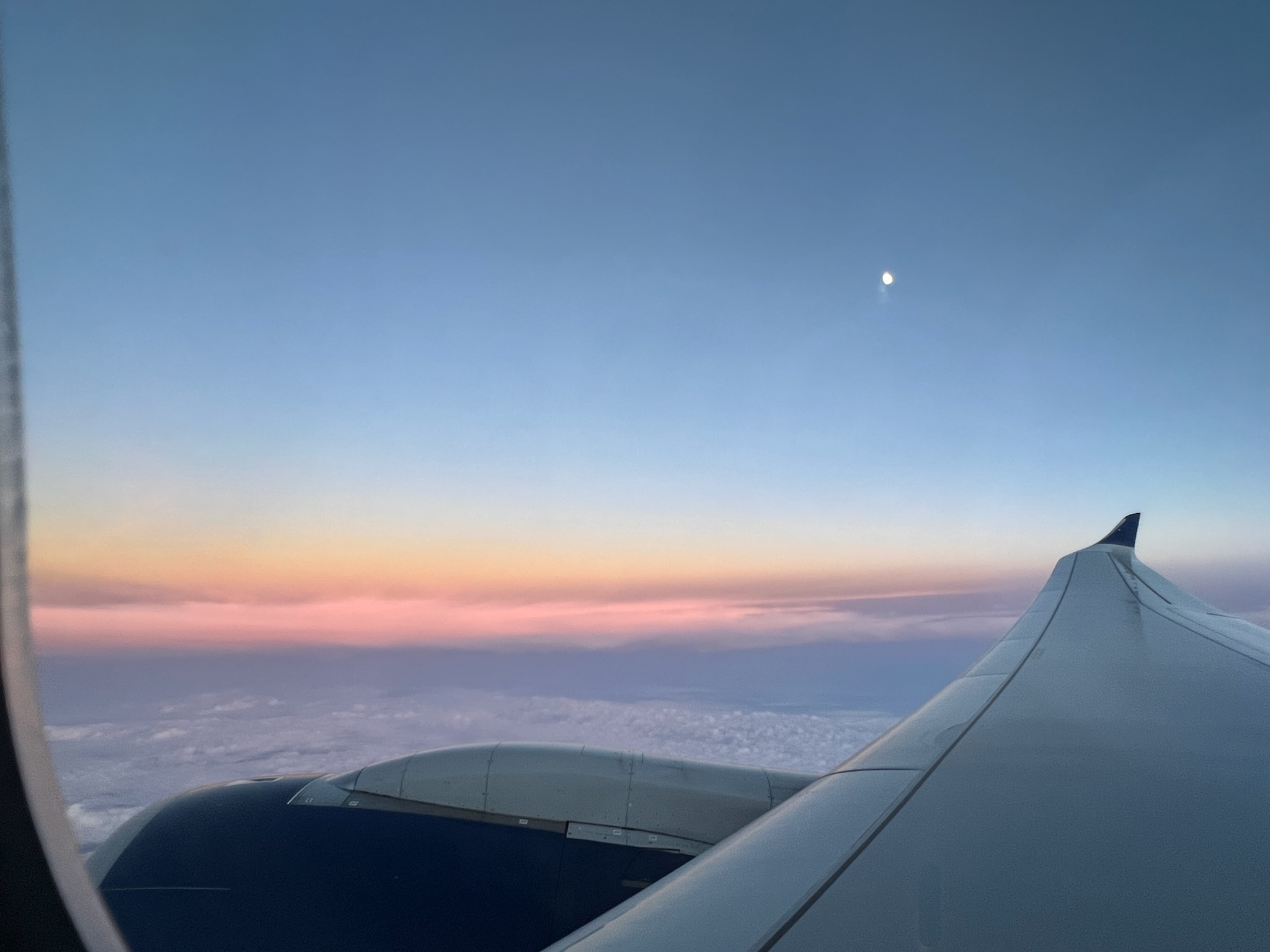
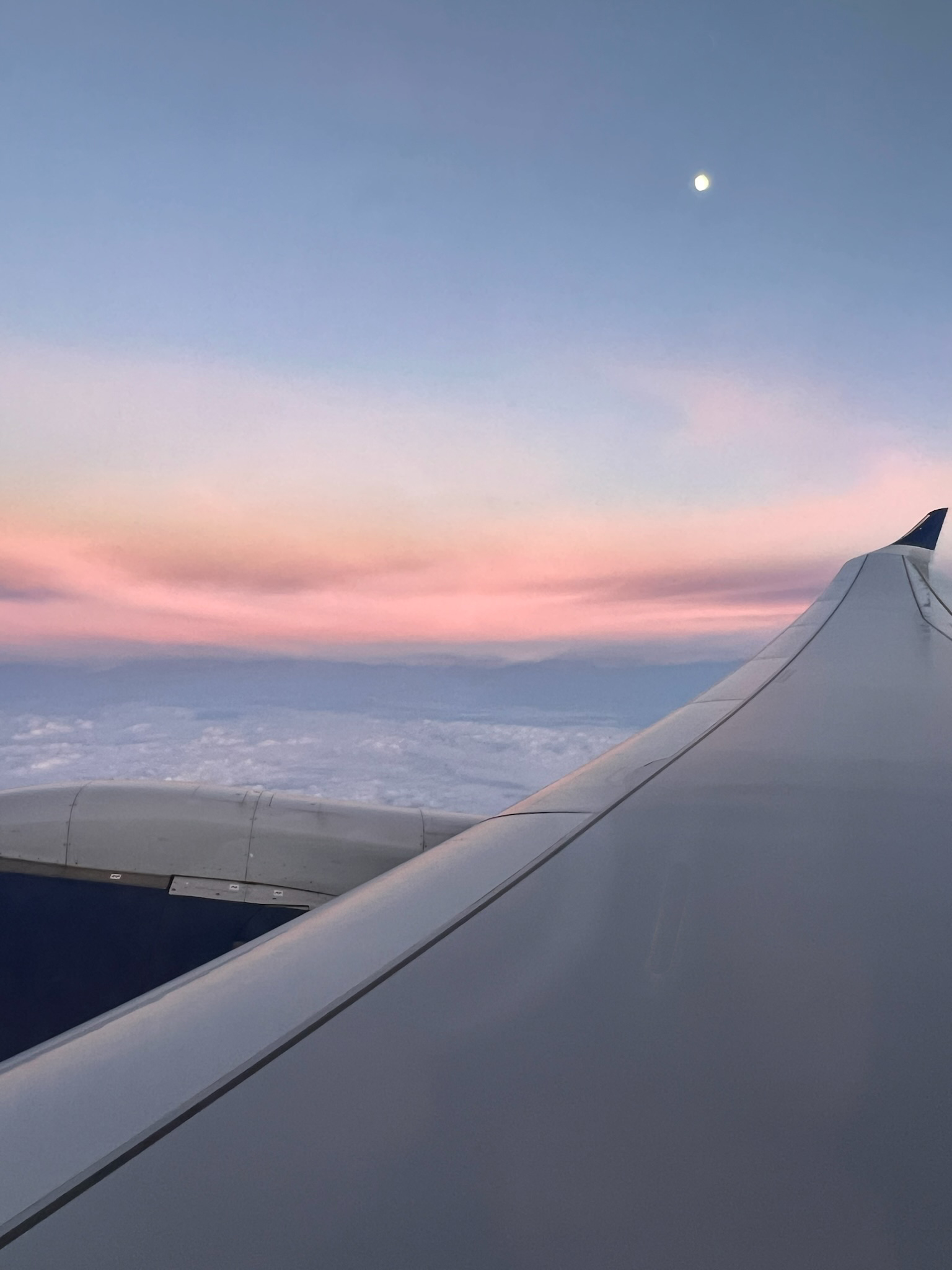
Before long, it was time to start the long trek home to Memphis. I won’t bore you with the hours of sitting (in buses, airports, airplanes, cars, and wherever else) other than to say that all went well and the trip was uneventful – just like it is supposed to be! To get from Japan to the USA, you head East over the Pacific. First, you fly into the sunset. Then, a few hours later you encounter a sunrise! It’s as if we went one way, the sun went the other, and we met on the other side of the world. The really confusing part is this: since we crossed the International Date Line, it is actually a sunrise from earlier in the same day! While you wrap your mind around that, check out these shots of the moon Emily took from our seats on the plane. Beautiful! (by God’s design, of course)
Right as we left, we were treated to one last reminder of the politeness of Japanese society. After the tractor had pushed our airplane back away from the gate at Haneda airport, we looked out the window to see all of the tarmac personnel neatly lined up and waving goodbye to us. Even as it started to rain, it was easy to imagine that the energy in their motions was intending to say “Ganbatte!” as we pulled away.
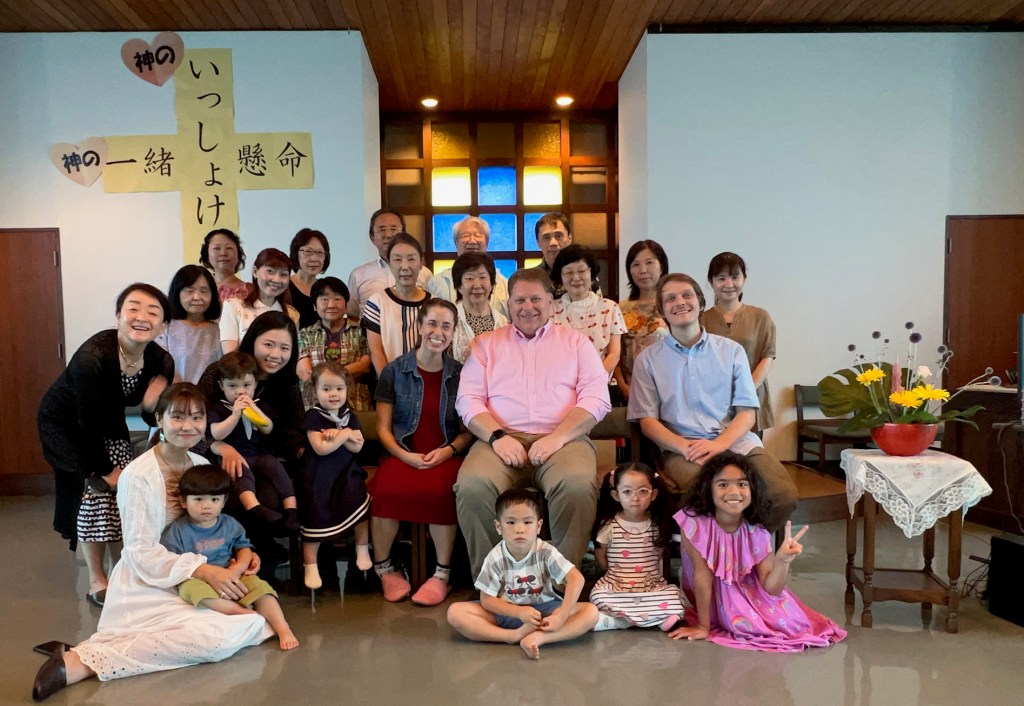
My parting shot this week is the group picture we took after worship at Tachikawa. Several regulars were out of town, but it was an encouraging group all the same. The lady on the left (in black) is a seeker who has been attending for a couple of months now, so we pray that she continues to find the warmth of Jesus in this community of believers. The lady in the lower left (in white) attended for her first time this week. She was one of our family music class regulars with her son, and she knows one of the other members through a community gathering for young moms. We pray that the Spirit moves in her life greatly and that the connections she has made this Summer will grow stronger still. Father God, may all of the people we were blessed to interact with this Summer feel you moving in their lives and want to get to know you better!
Emily and I deeply appreciate each of you who have been praying for our time here in Japan. You are a critical part of the ministry we have tried to do. For those who have also sent notes of encouragement or financial support, this is your work as well. Above all, we give God the glory for supplying the strength, ability, and opportunity to go.
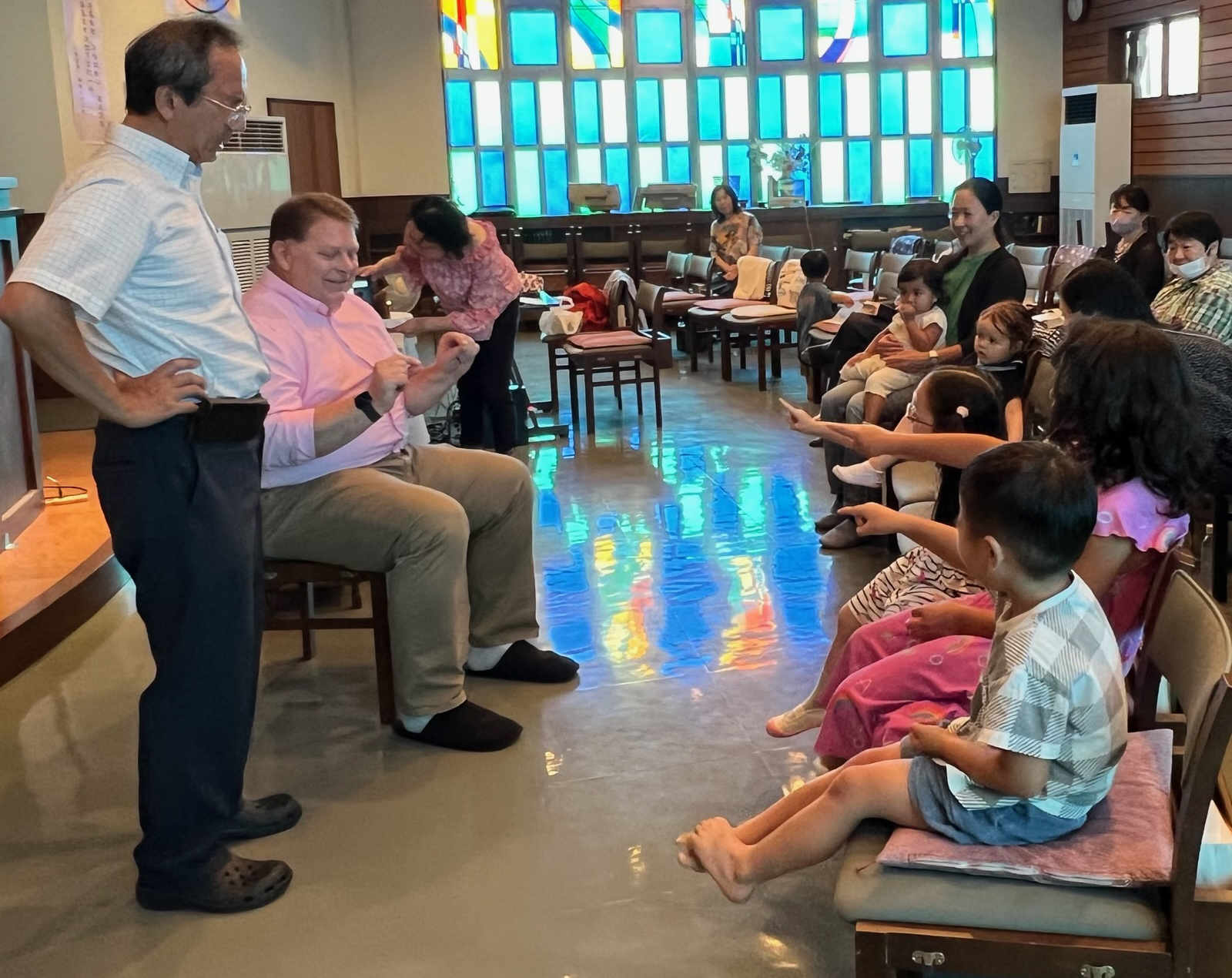
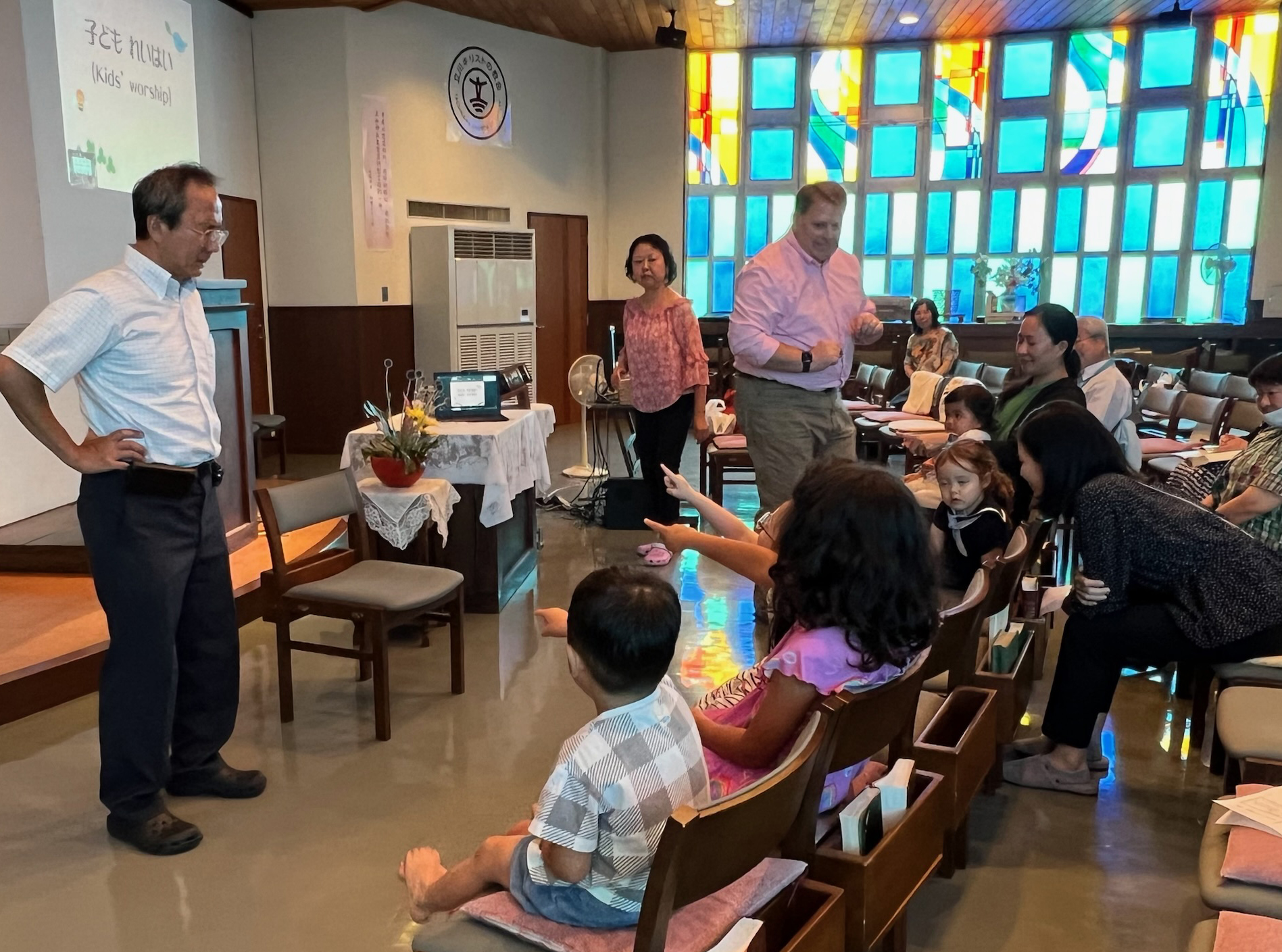
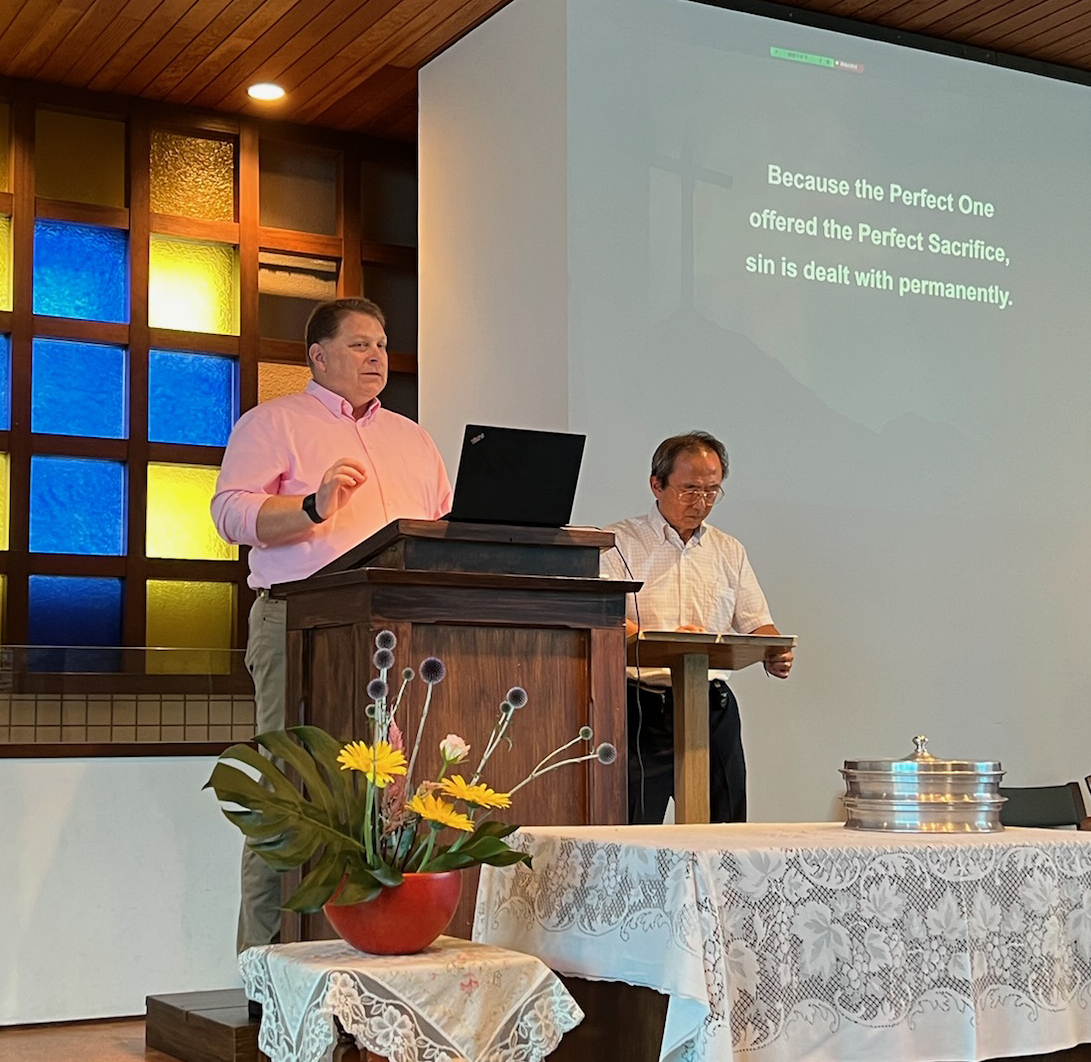
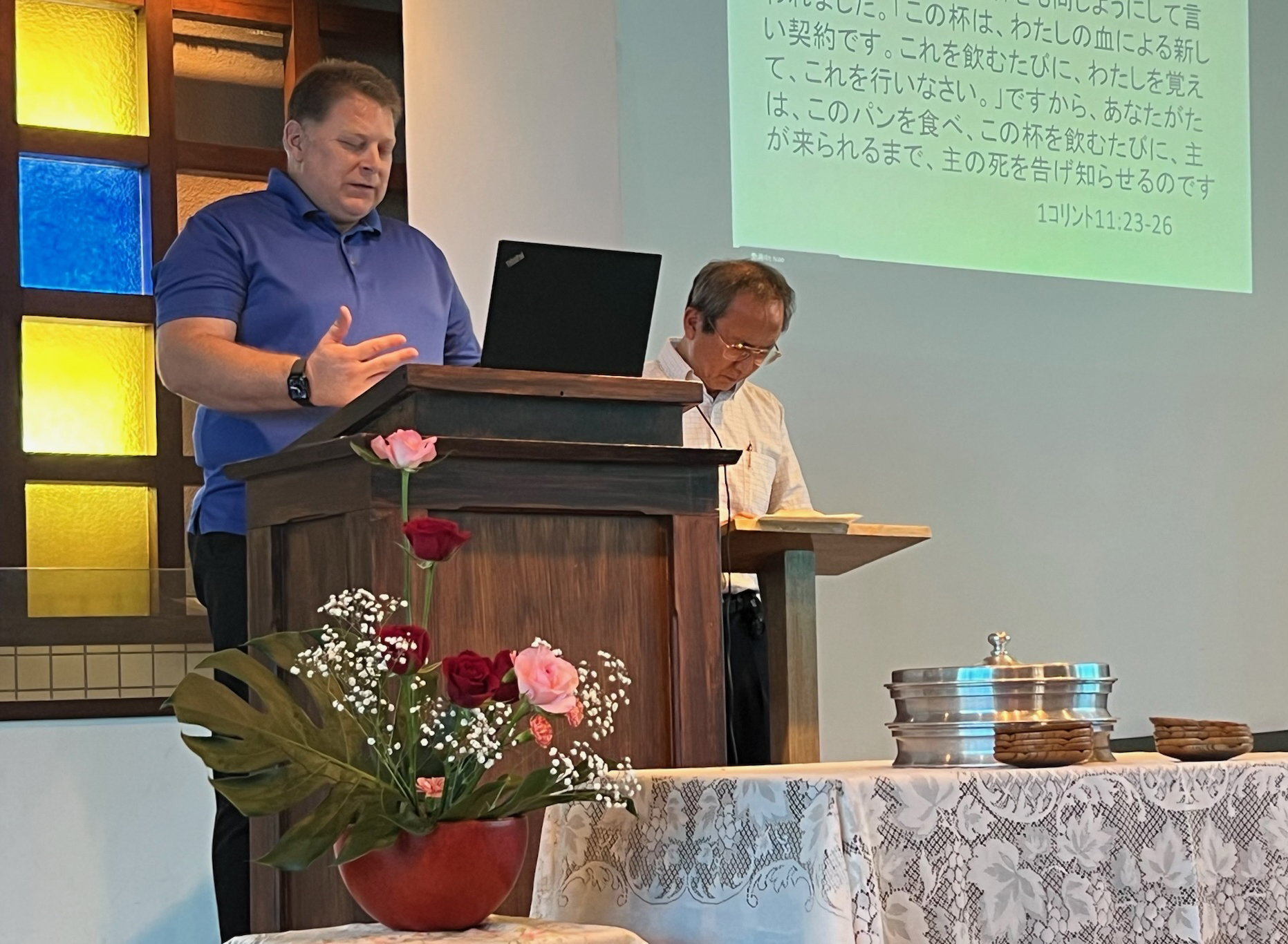
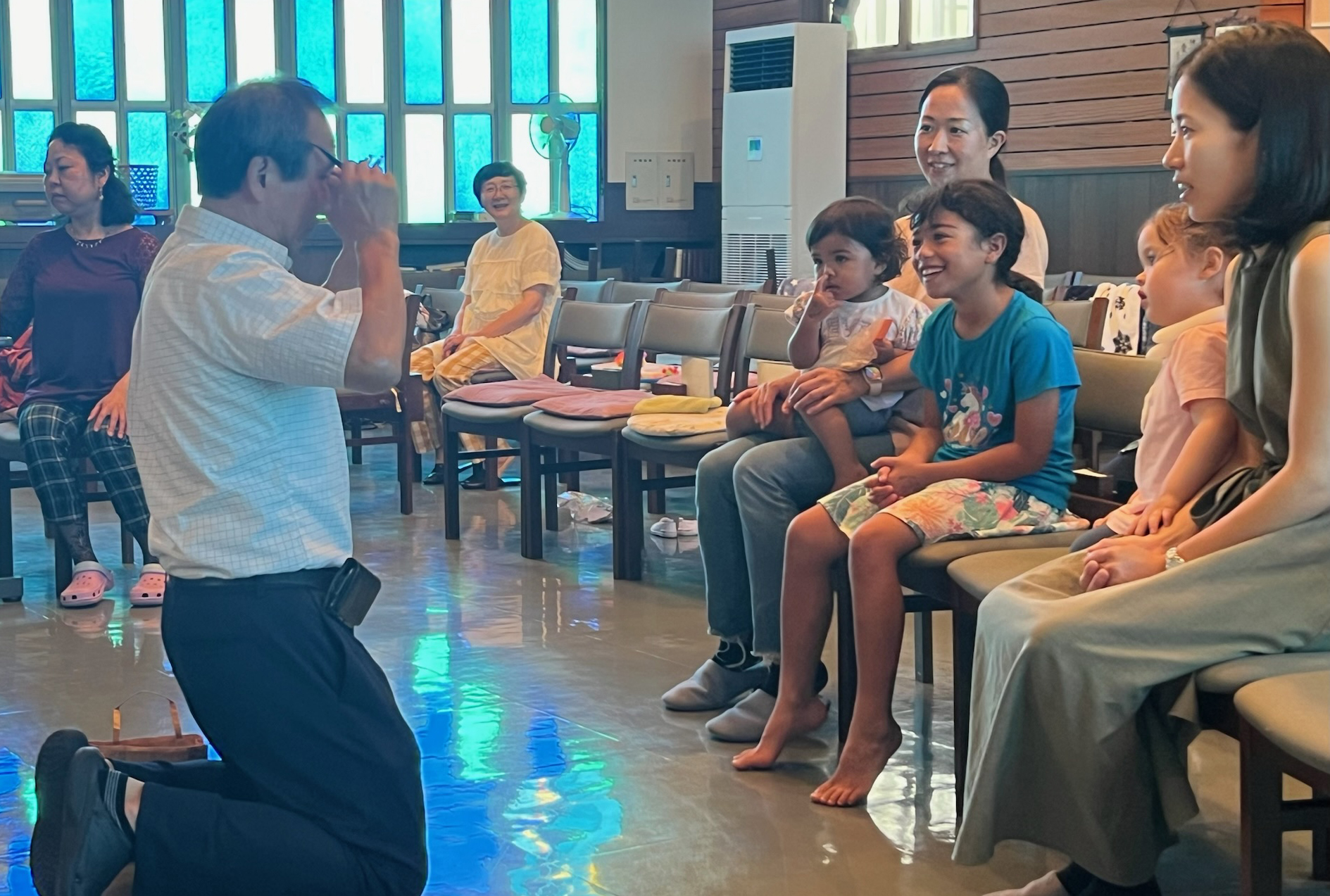
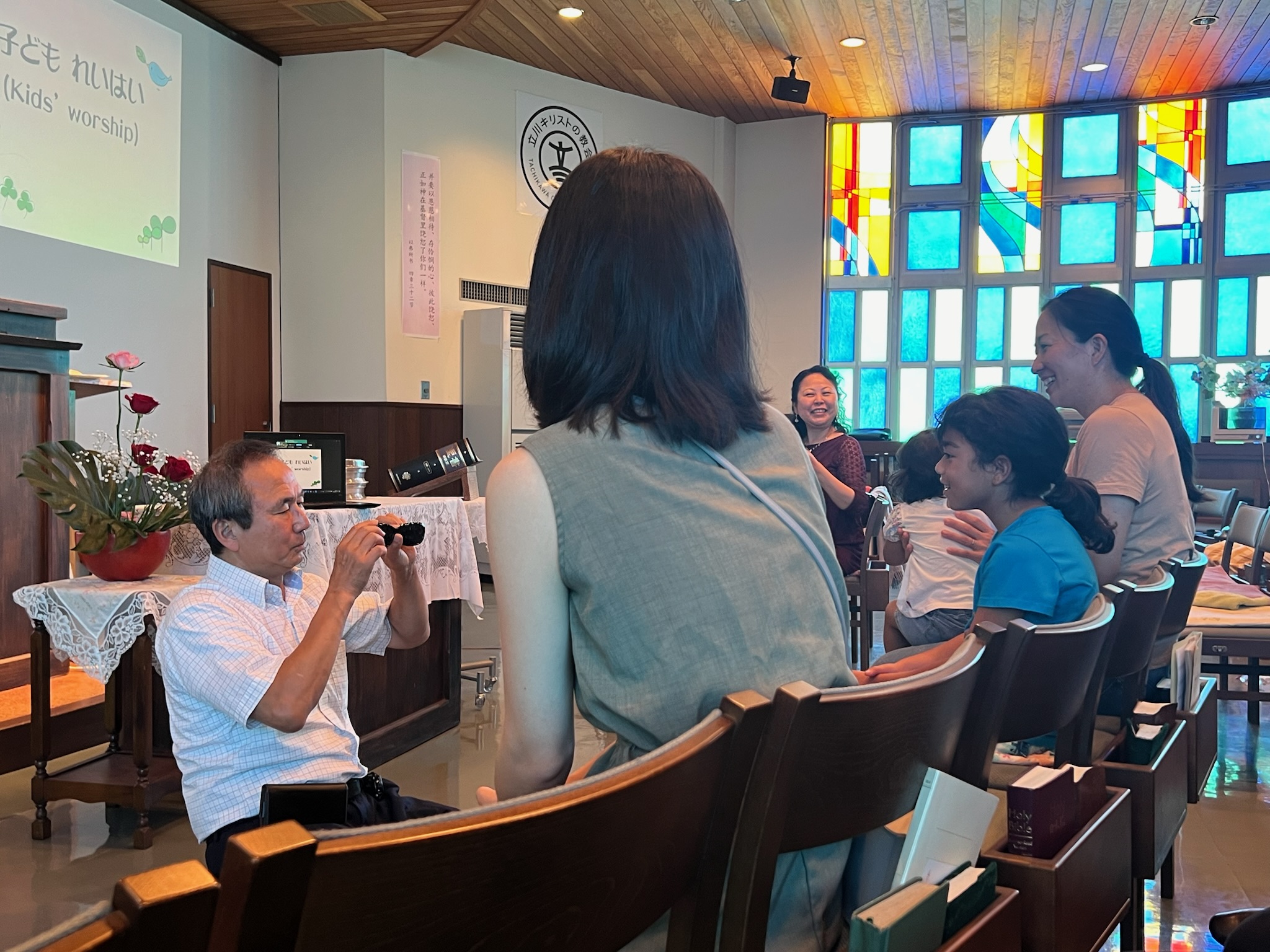
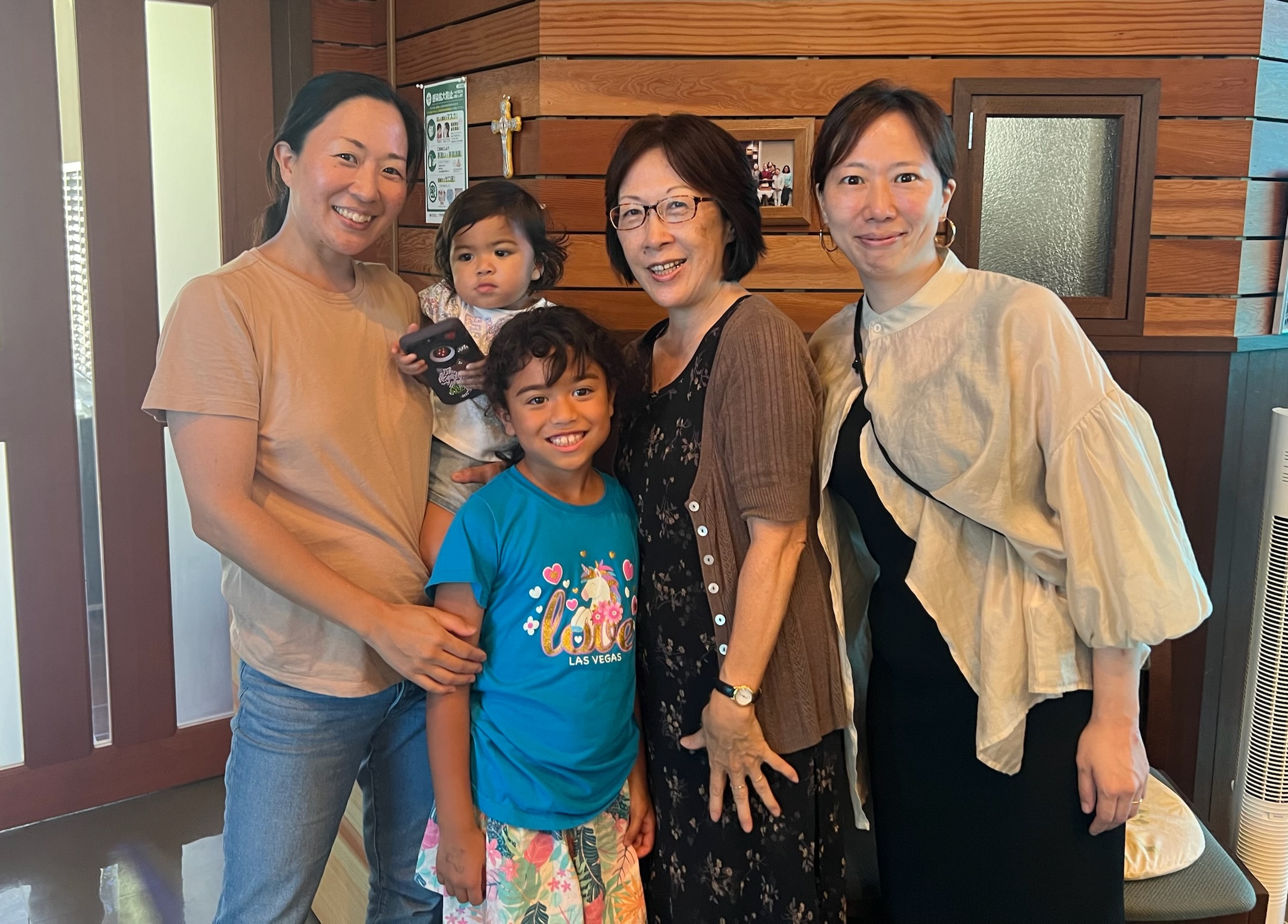
God continues to bless us here in Tachikawa. This week was a bit more routine since we have completed all of our planned excursions to other people and places. I filled in last-minute for Suzuki-san and gave the Lord’s Supper comments since he was unable to make it for worship. Nao had a great deal of fun with the Children’s Worship as he demonstrated how the ways that we see things (represented by various types of glasses) can change how we act. Ultimately, by shining Jesus’ light, we are able to find the correct path in life. It was really cute seeing the kids react to each pair when he pulled them out of his bag. We were also fortunate to visit with both of the Fukushima’s daughters since Naomi joined us for worship along with regular member Mitsuko and her children.
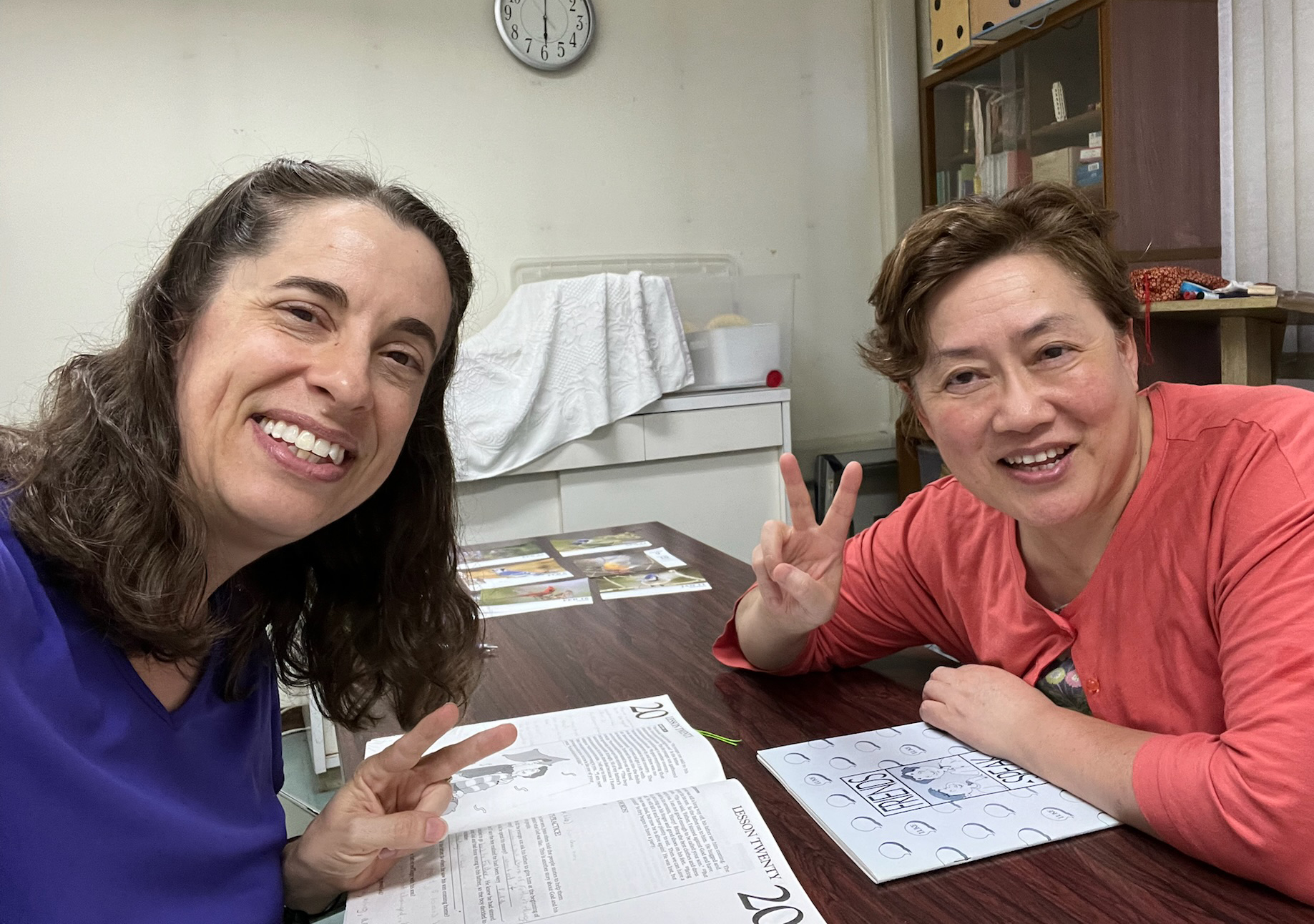
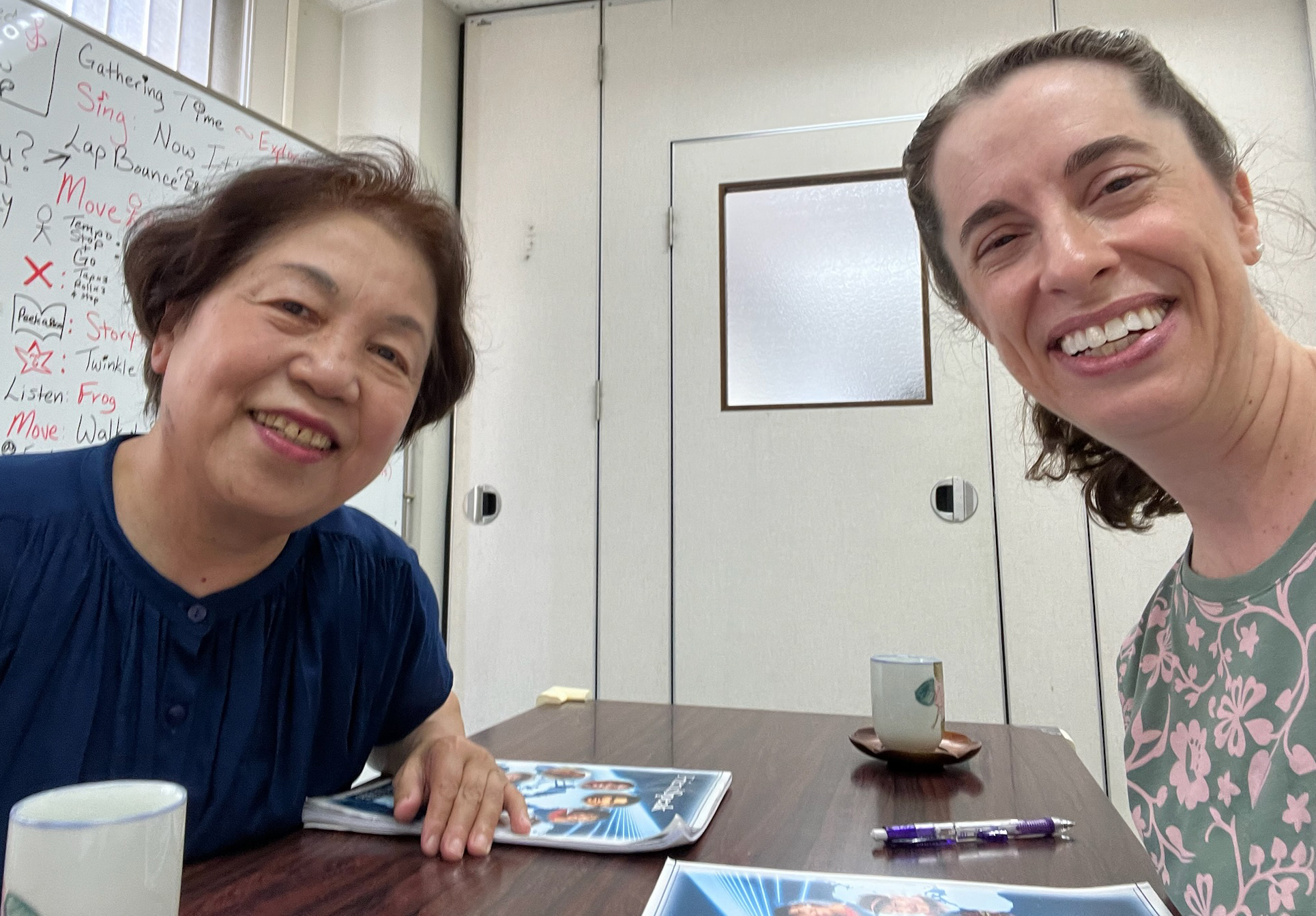
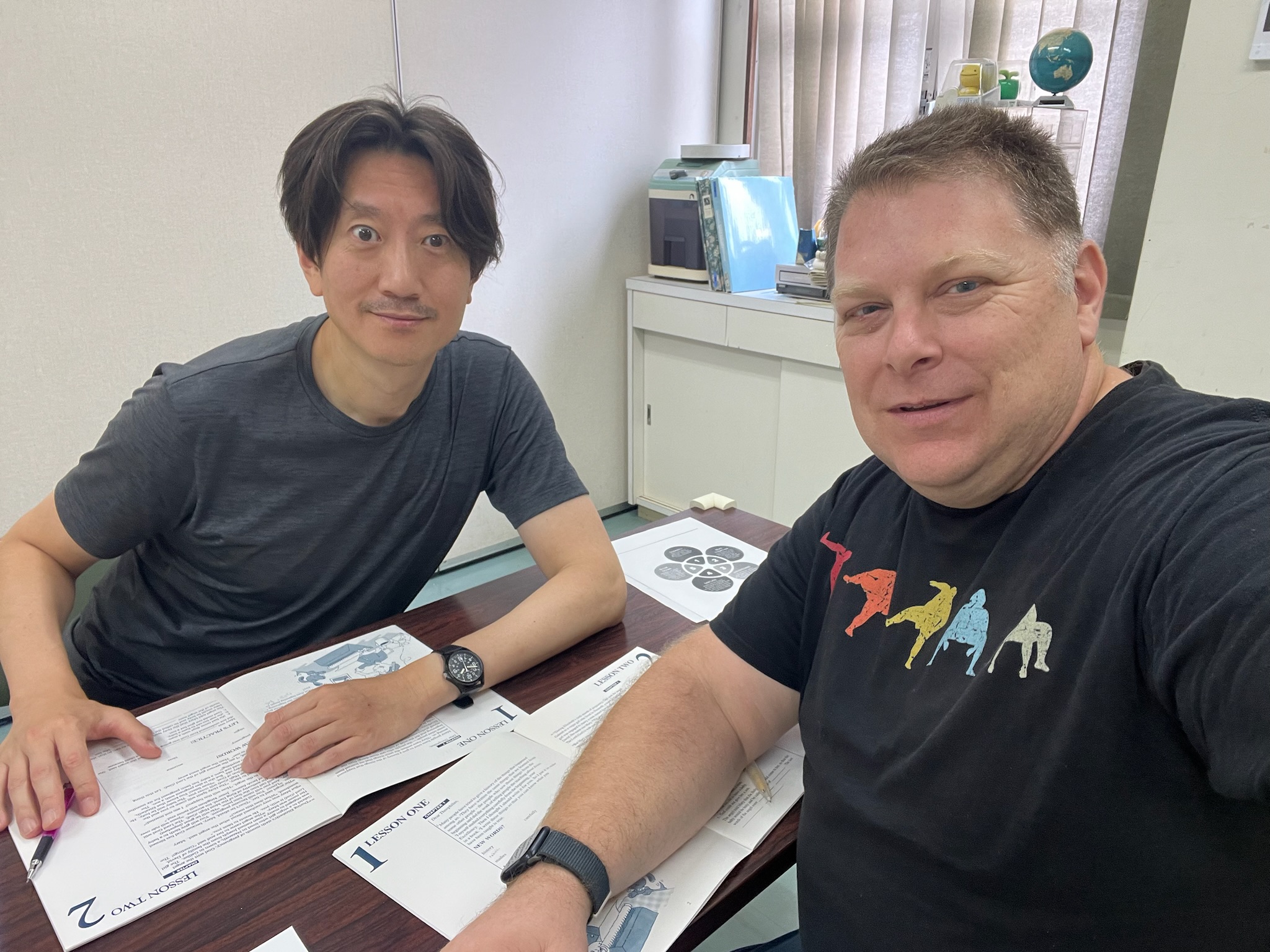
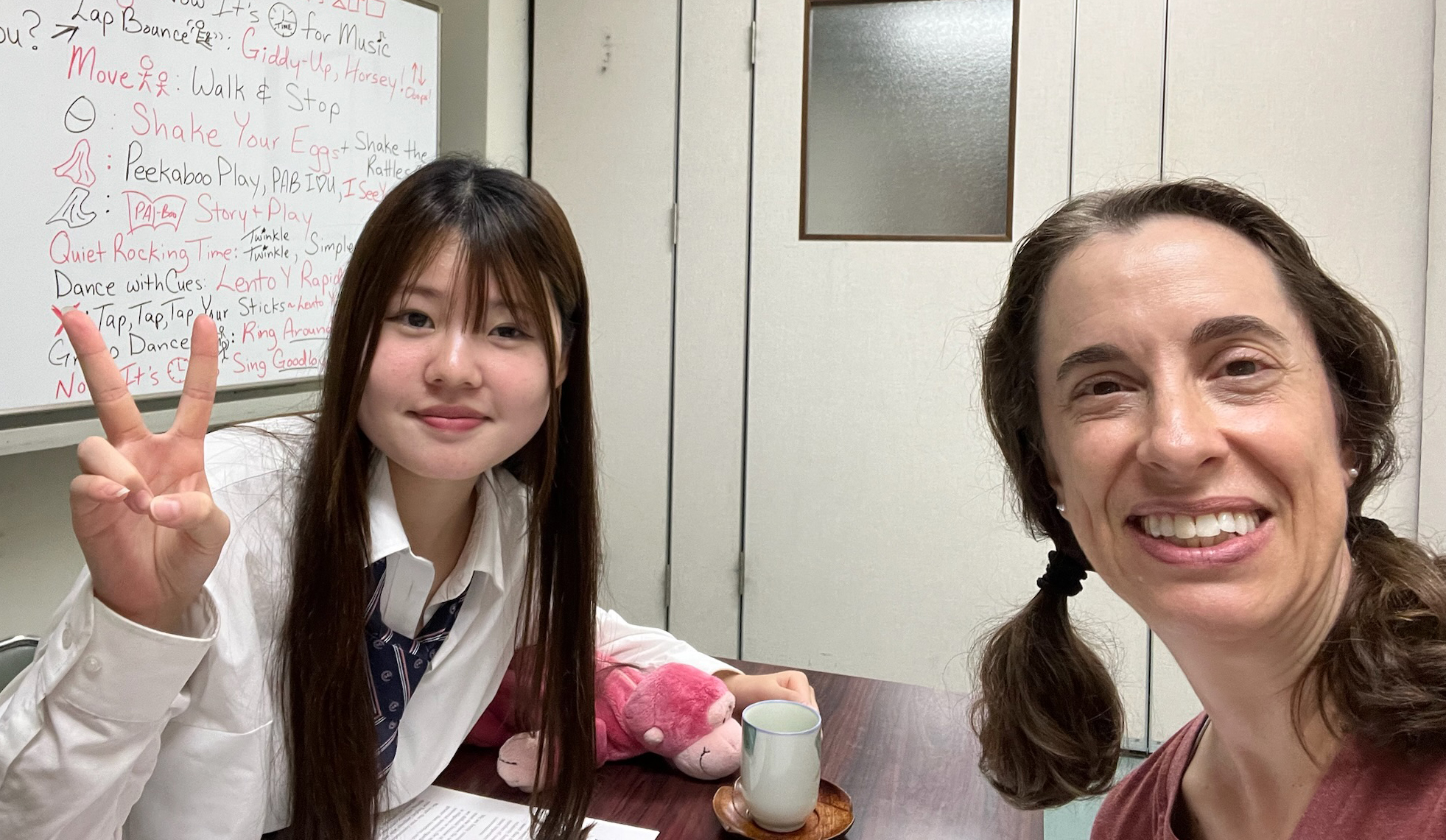
This week we have truly come to treasure our time with our English readers. Having several weeks of relationship-building under our belts, Emily and I both feel that the discussions we are having during these sessions are becoming deeper and more searching. It truly is amazing the power of the Word. All we have to do is simply facilitate time and foster a little understanding and the Spirit does the rest directly through the text. We just have to follow His lead. Being week five, it is hard not to look ahead a little and start seeing the end of these reading times with a little sadness, but for now we are soaking in these one-on-one times looking at the story of Jesus.
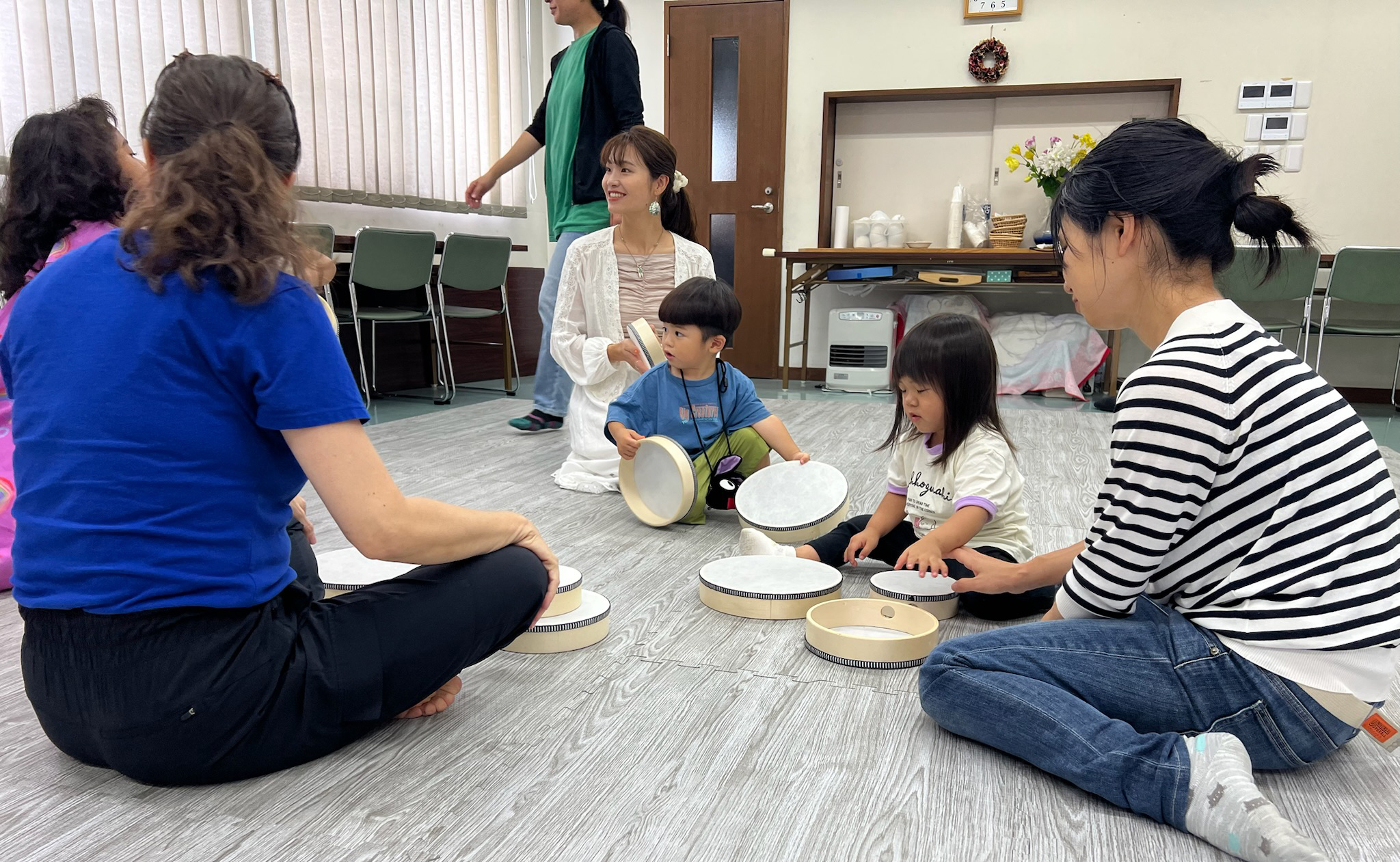
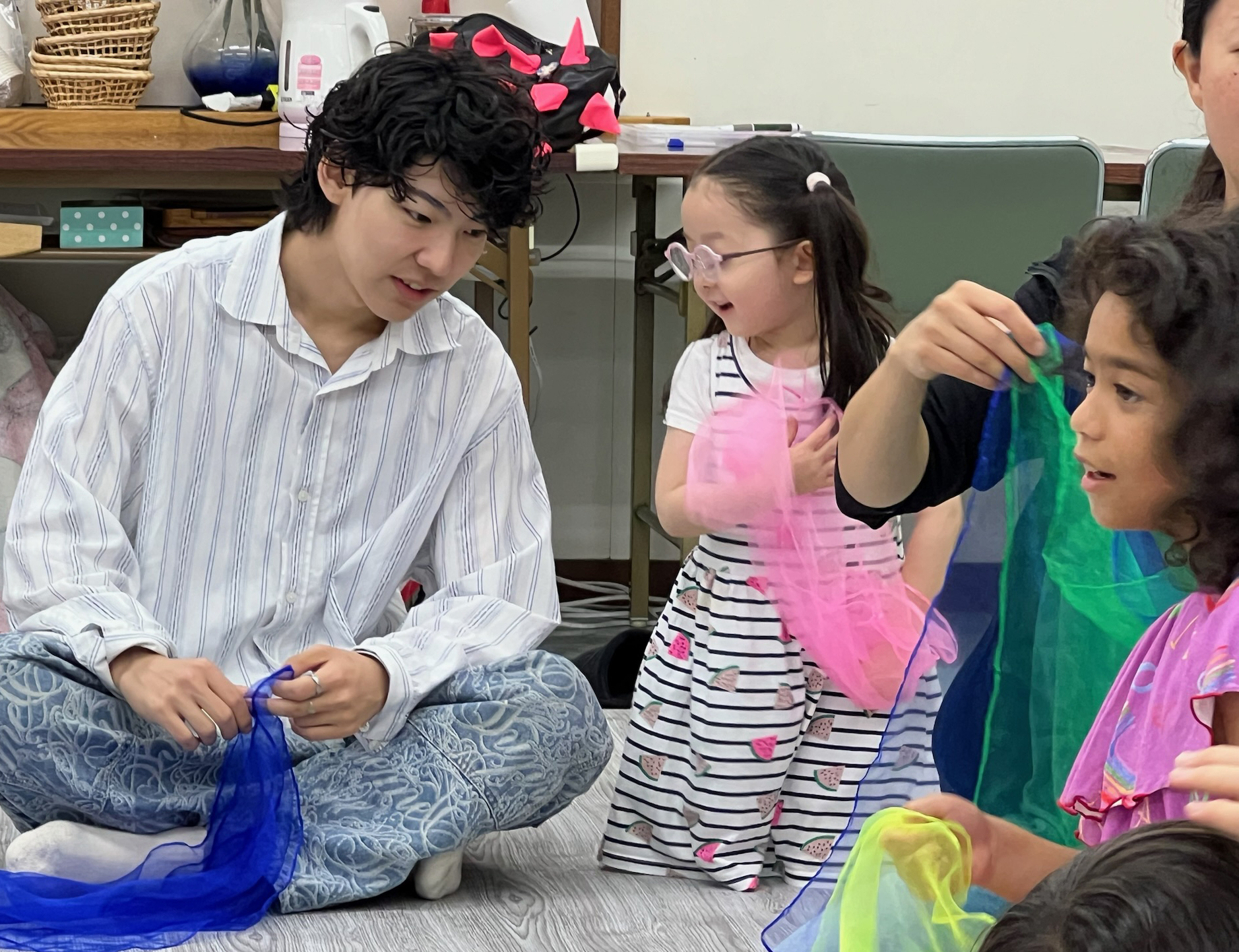
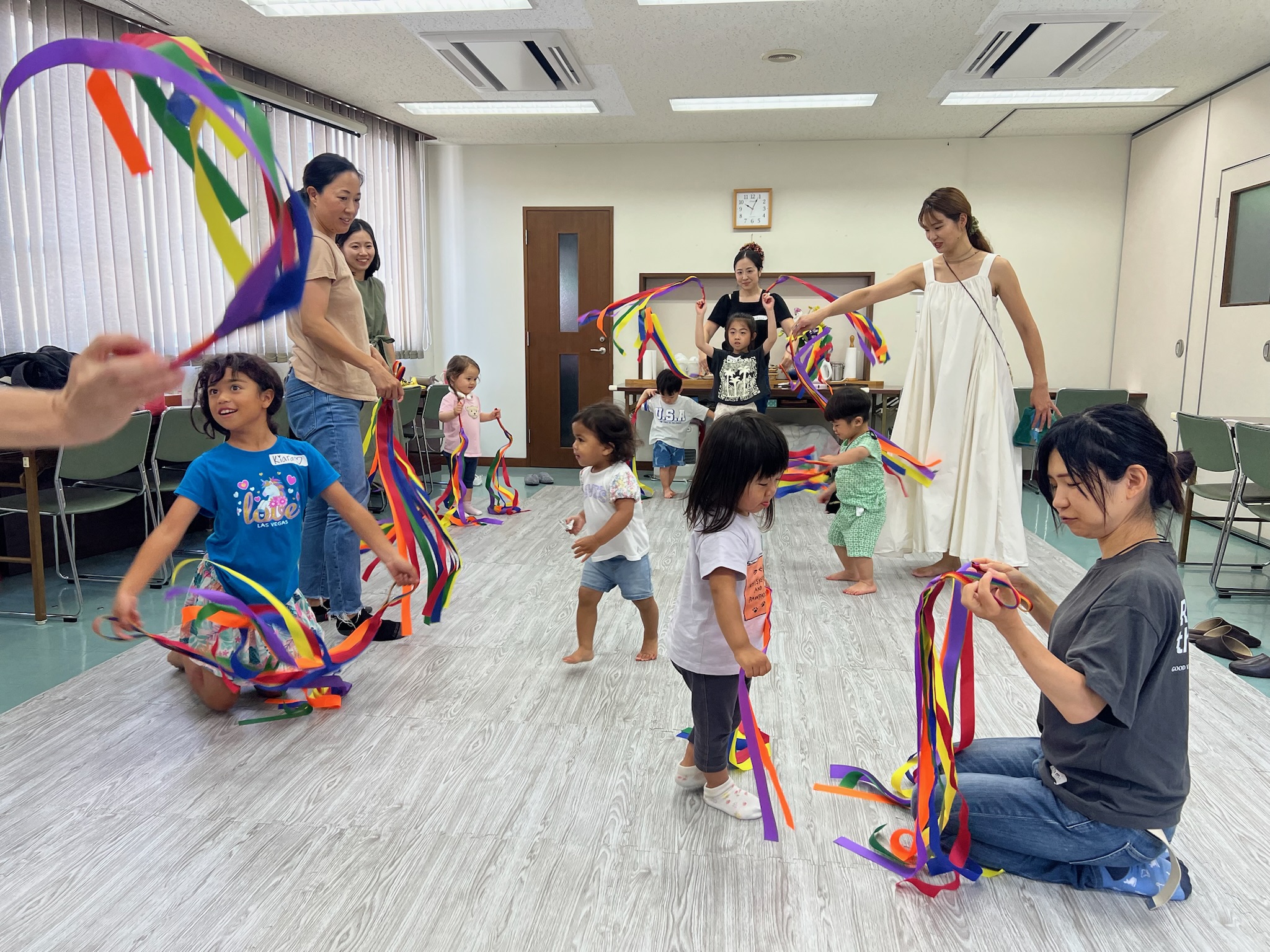
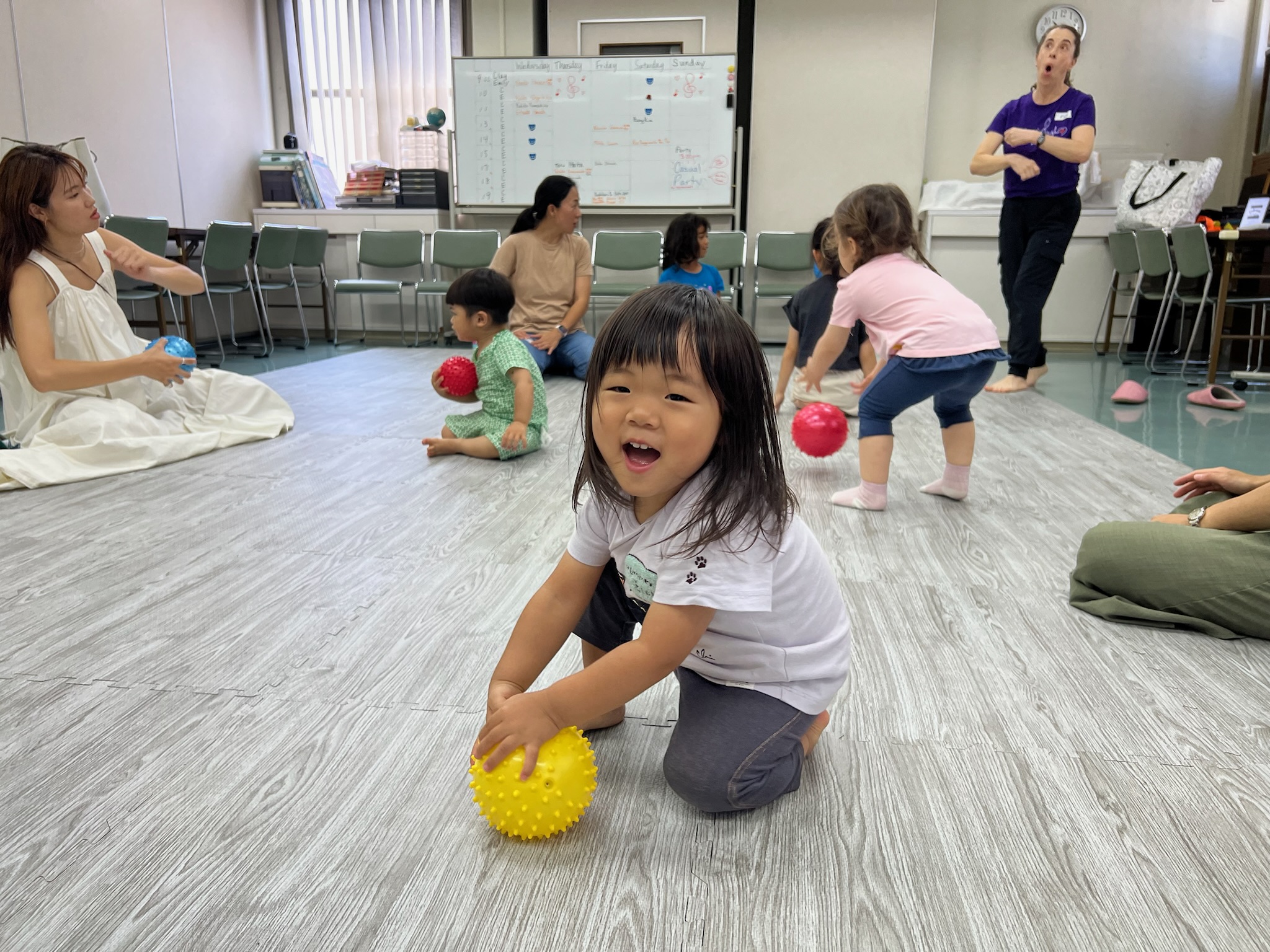
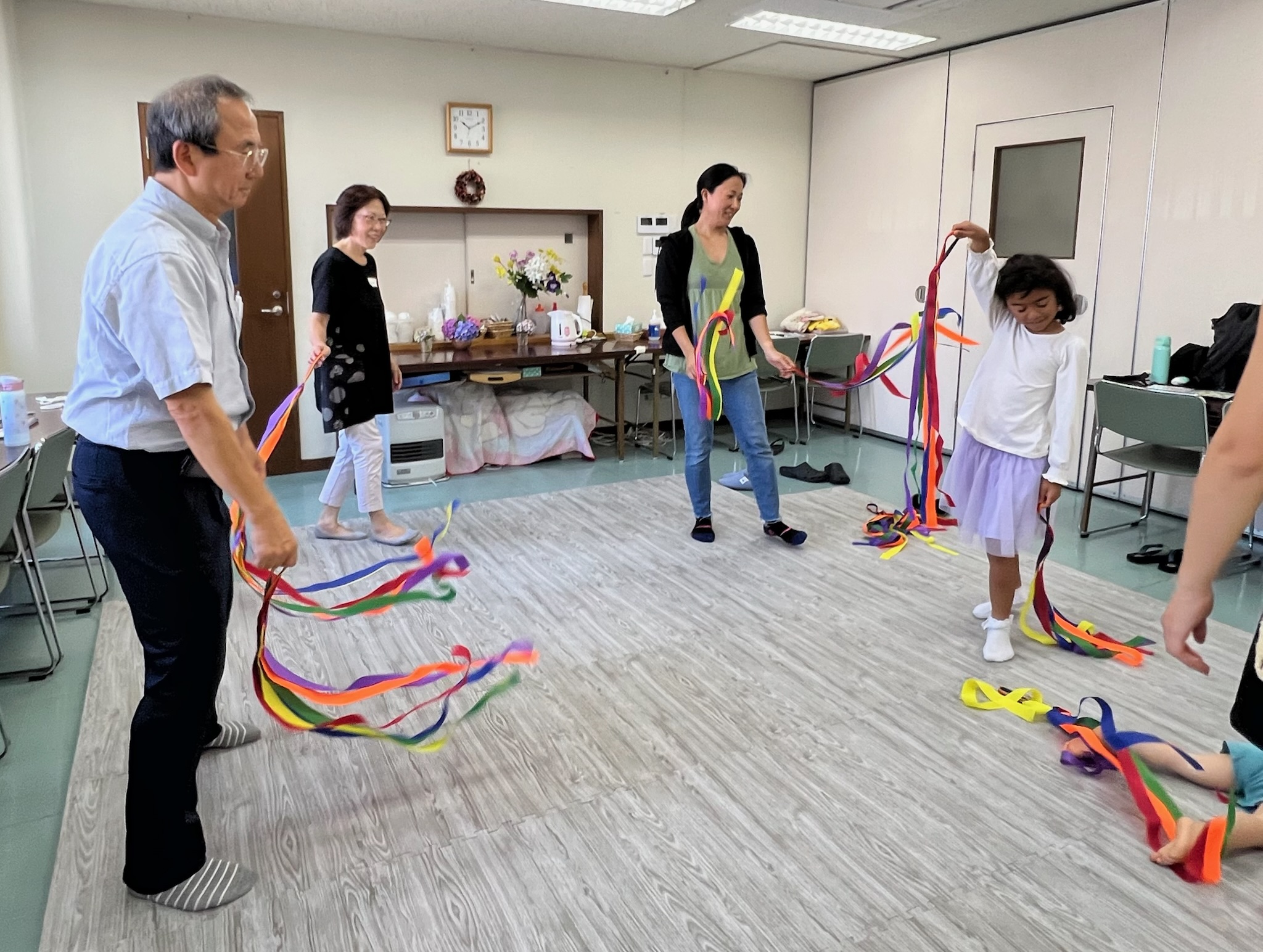
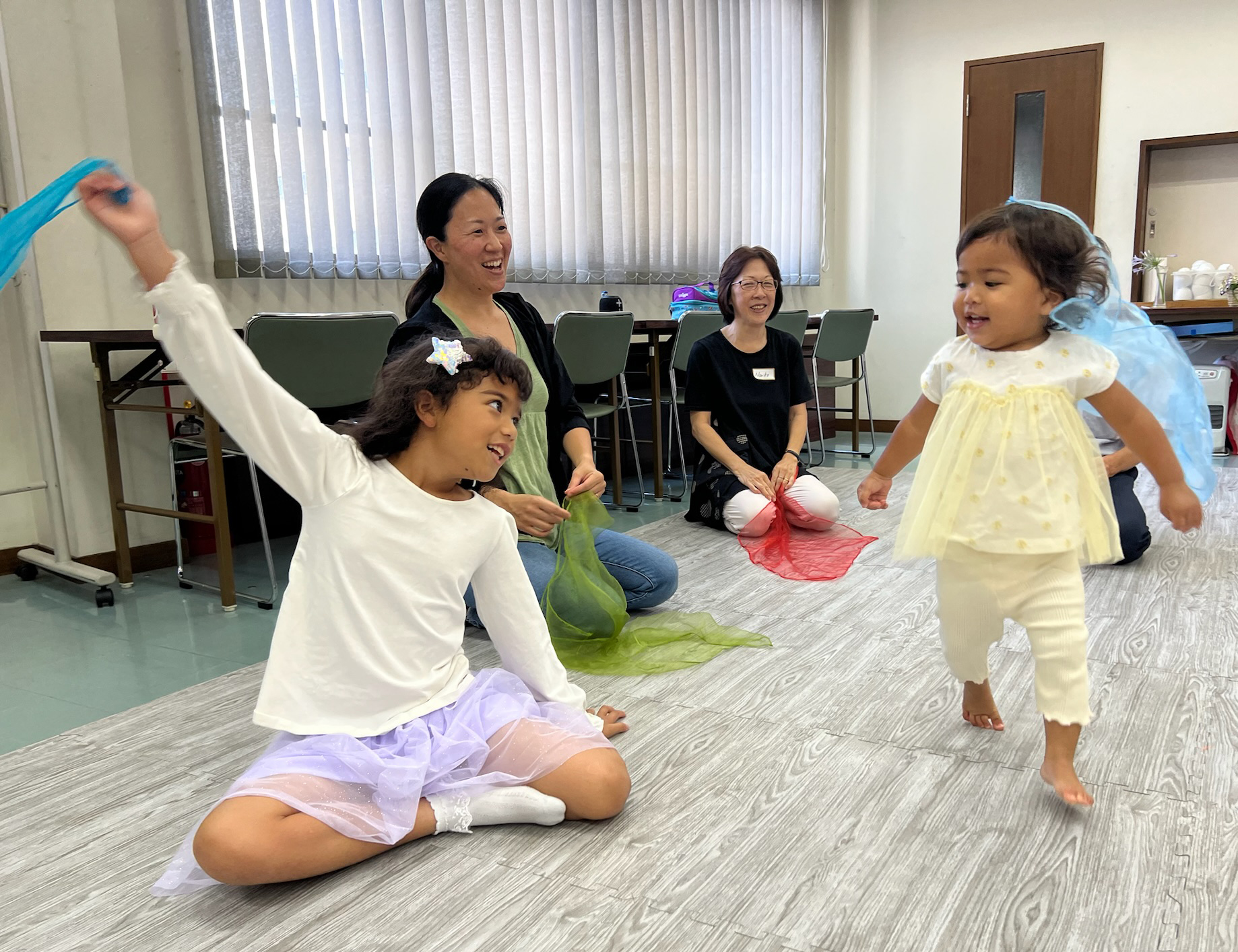
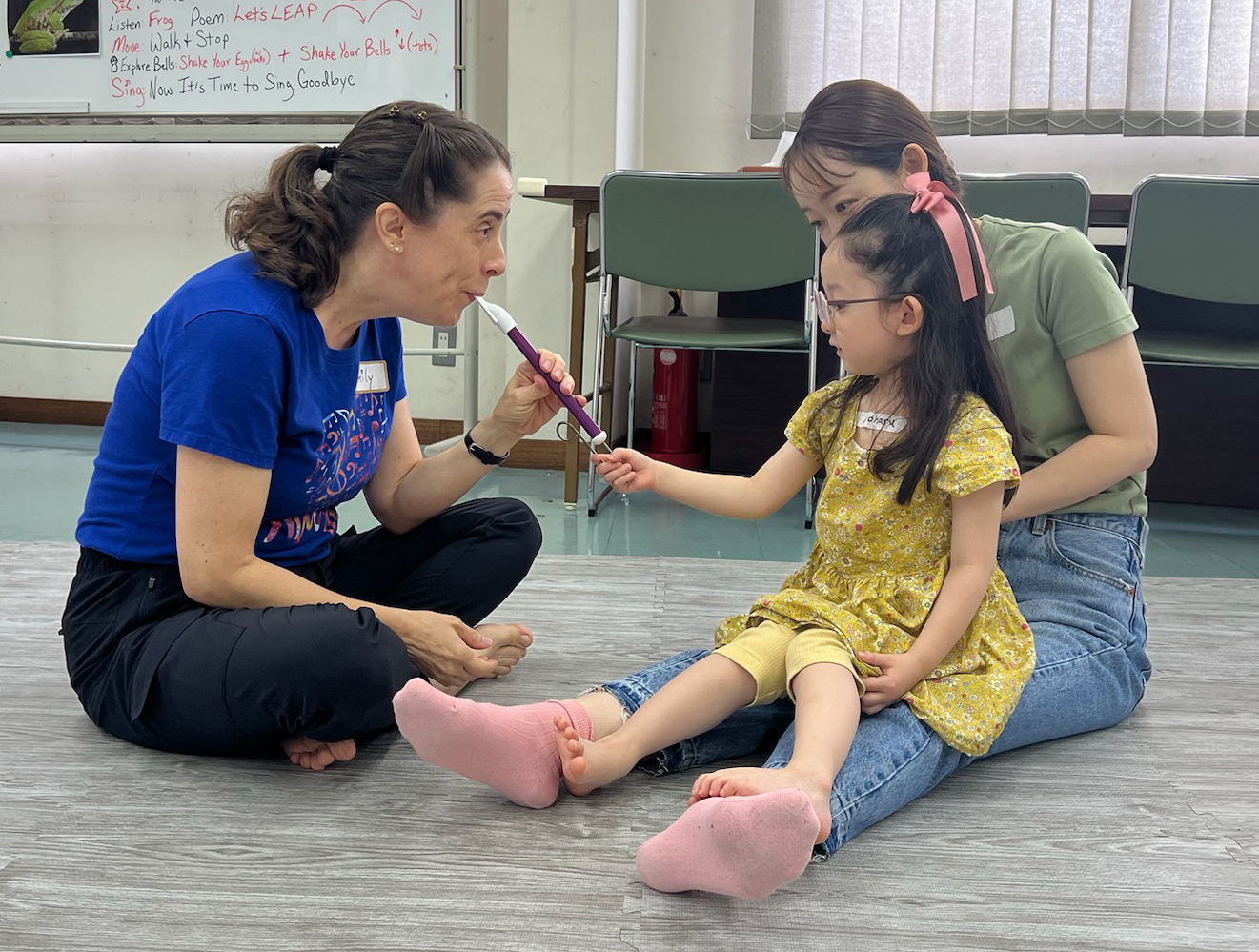
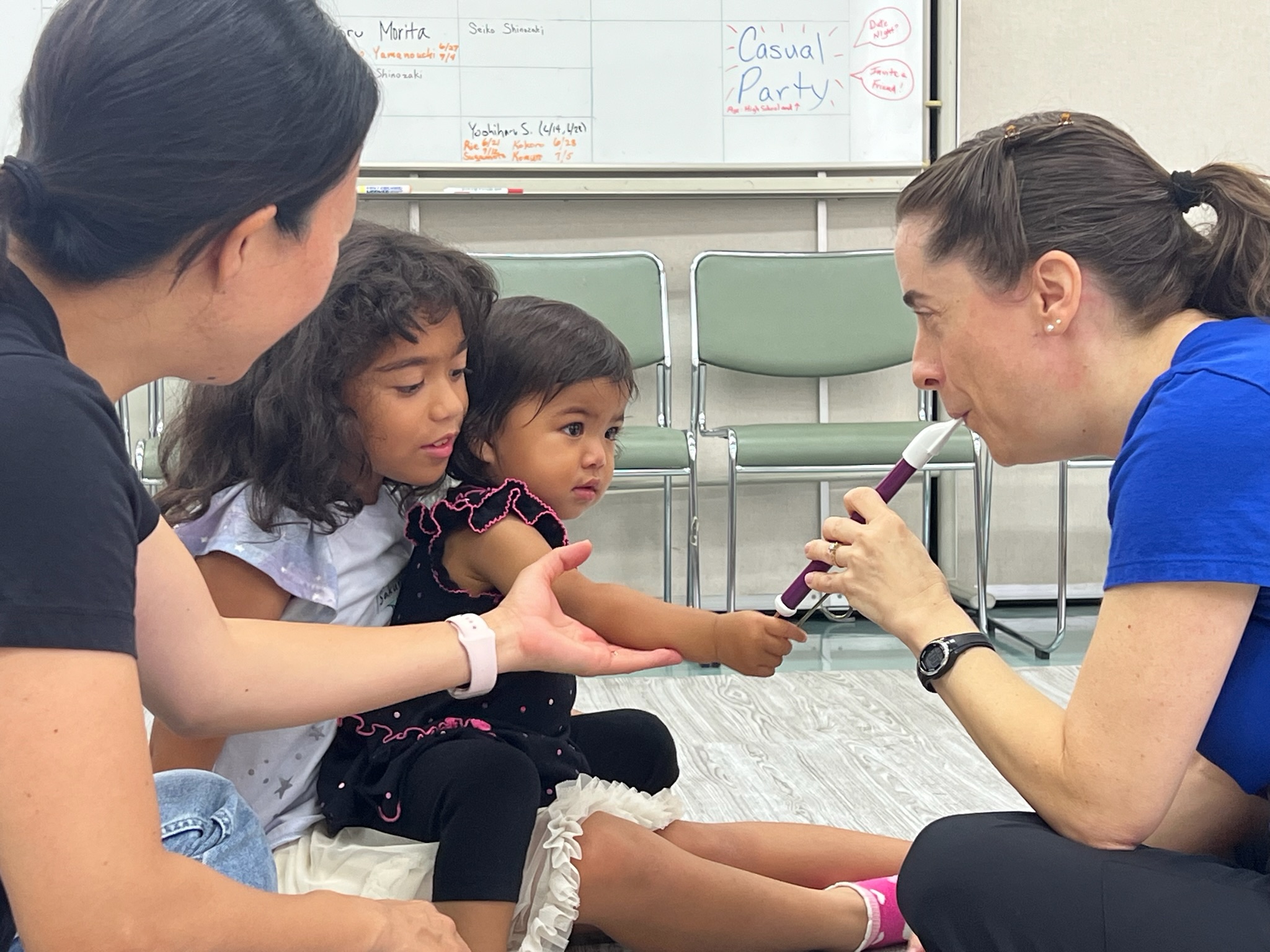
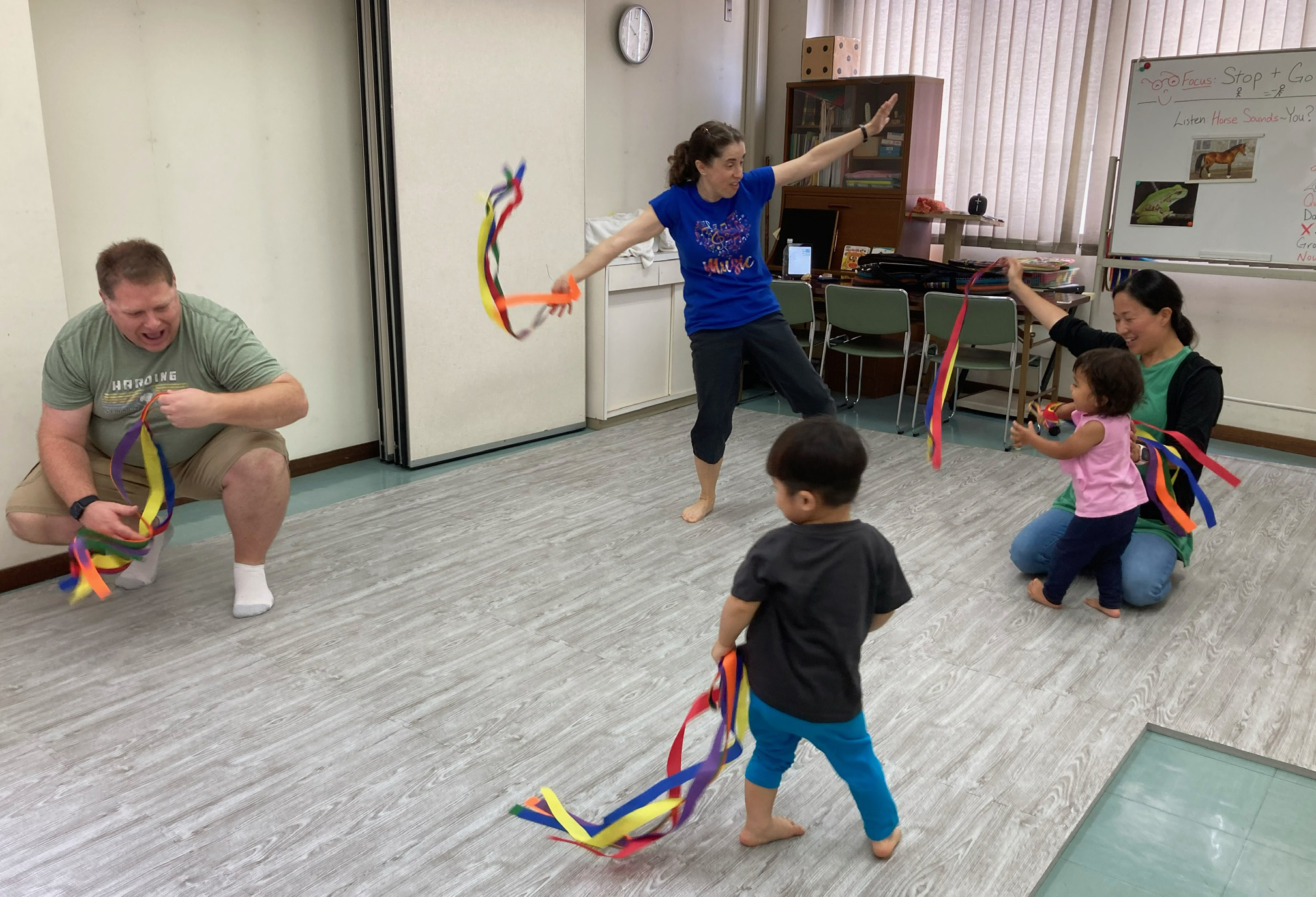
Music classes bring so much Joy to these kids faces! We even managed to get a couple of old-timers to join us (thank you Nao-san and Noriko-san!). With each class session, these kids and their parents build familiarity and friendship. This week we enjoyed songs that we know and added some new activities to keep it fresh. We pray that these seeds will take root in the near future, and that the community they have found in this place is a glimpse into the fullness of life when lived in a community of faith.
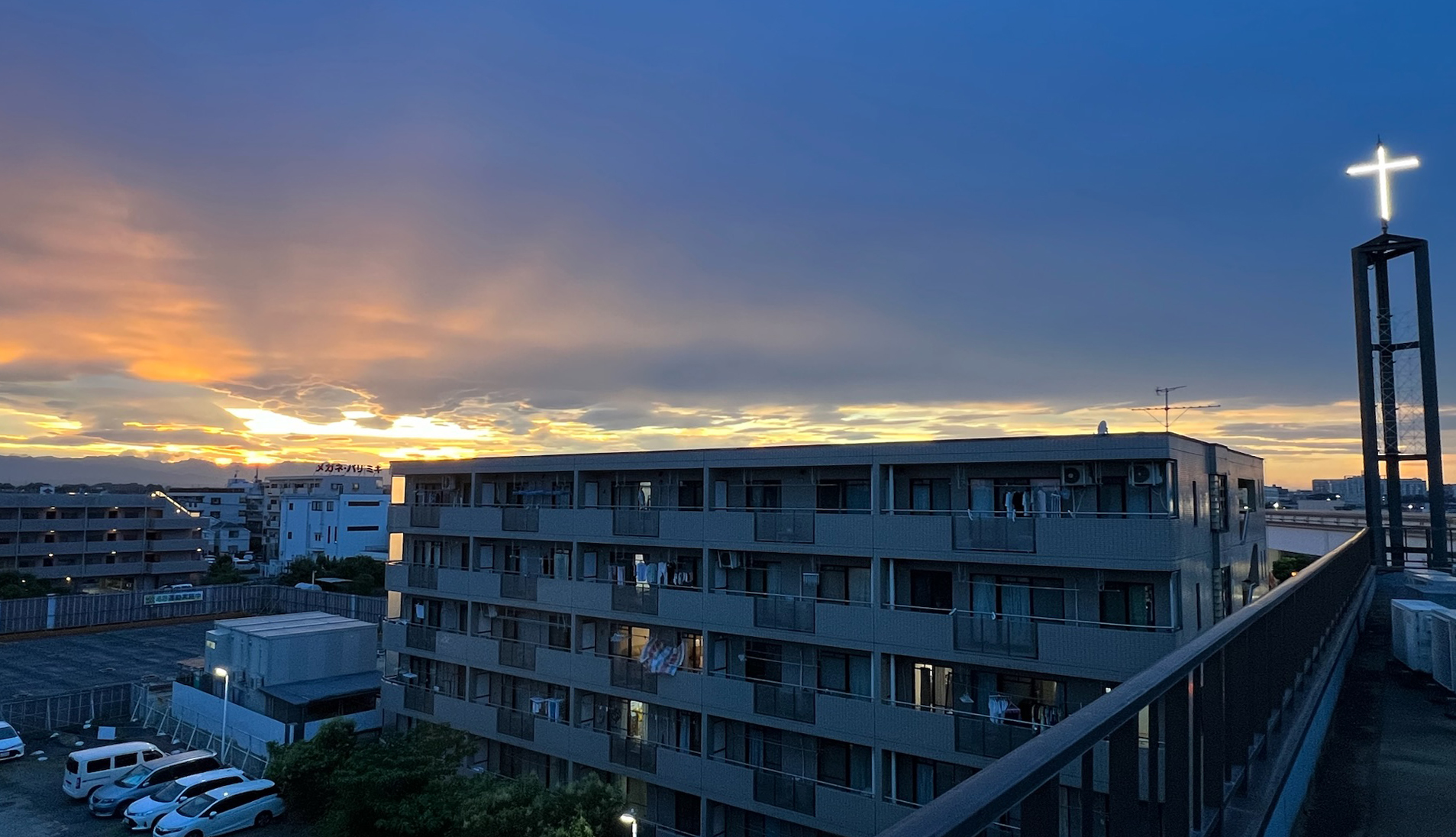
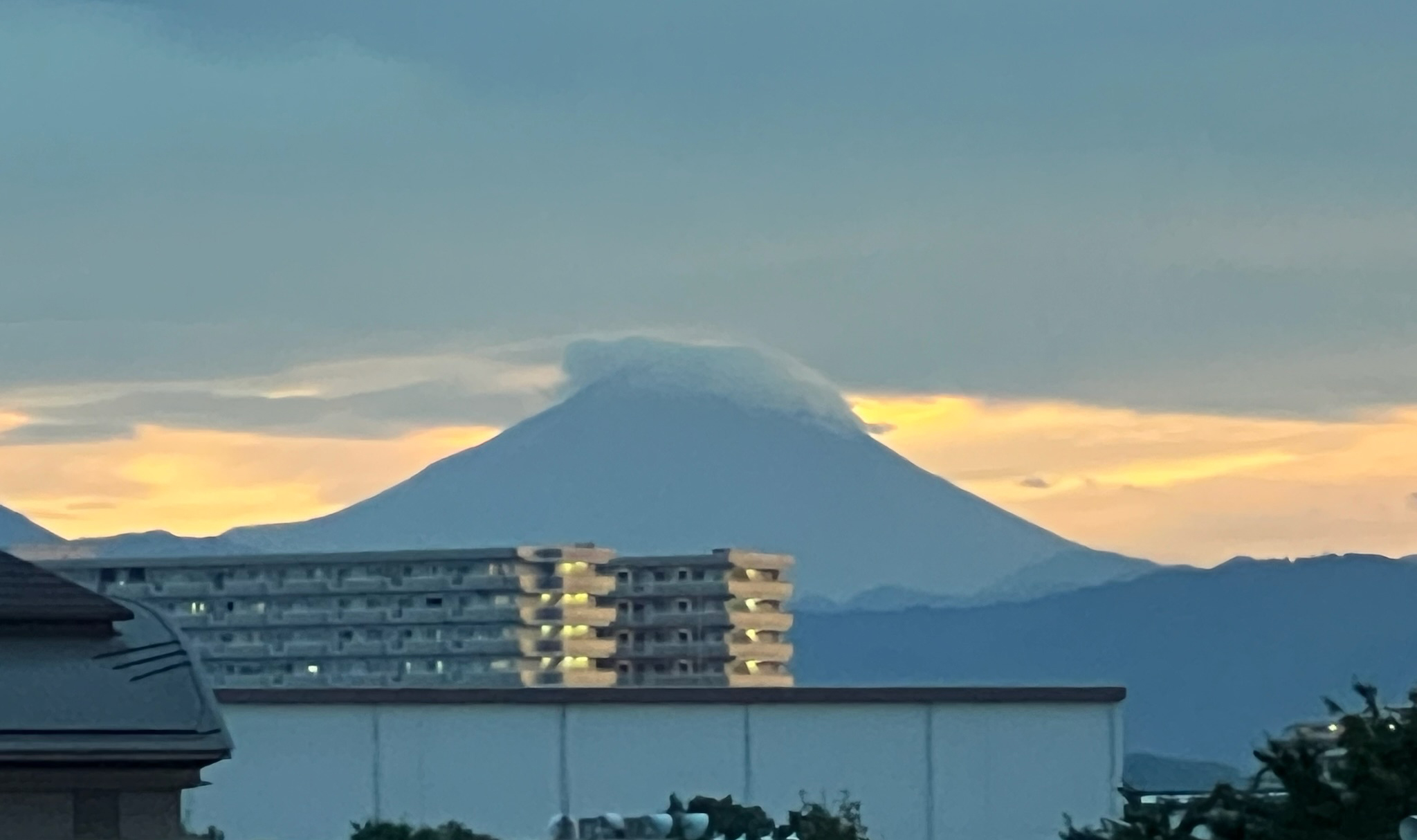
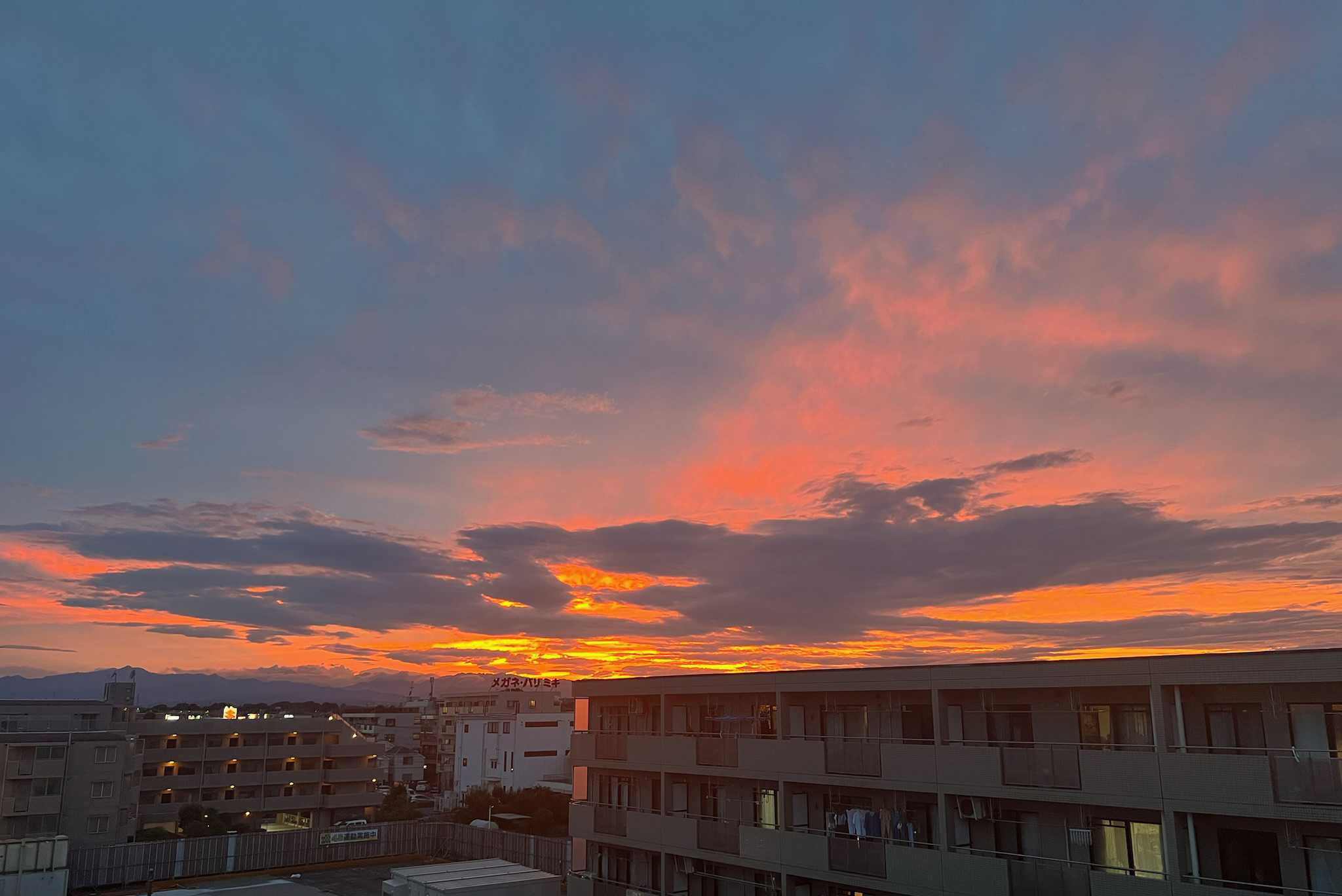
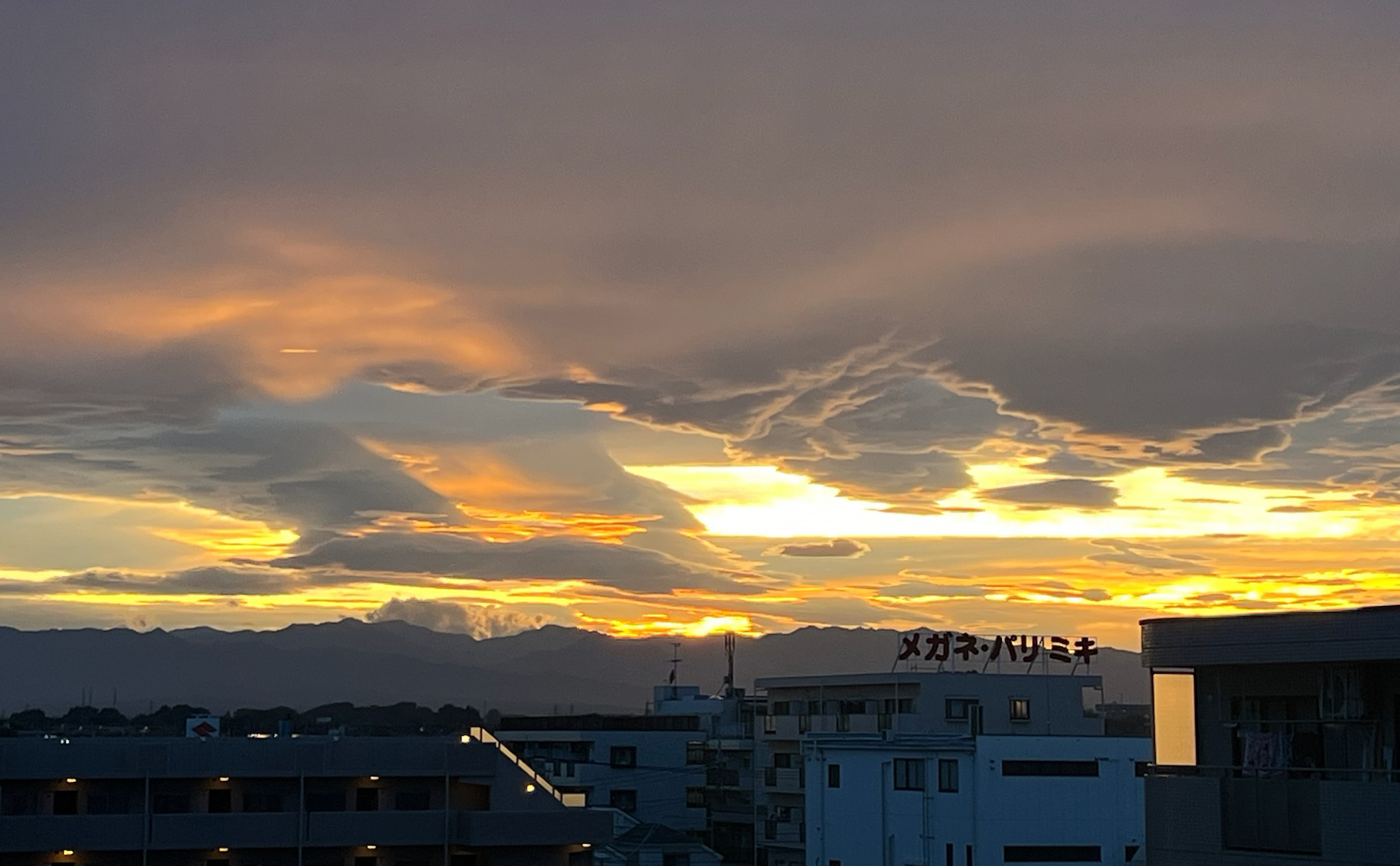
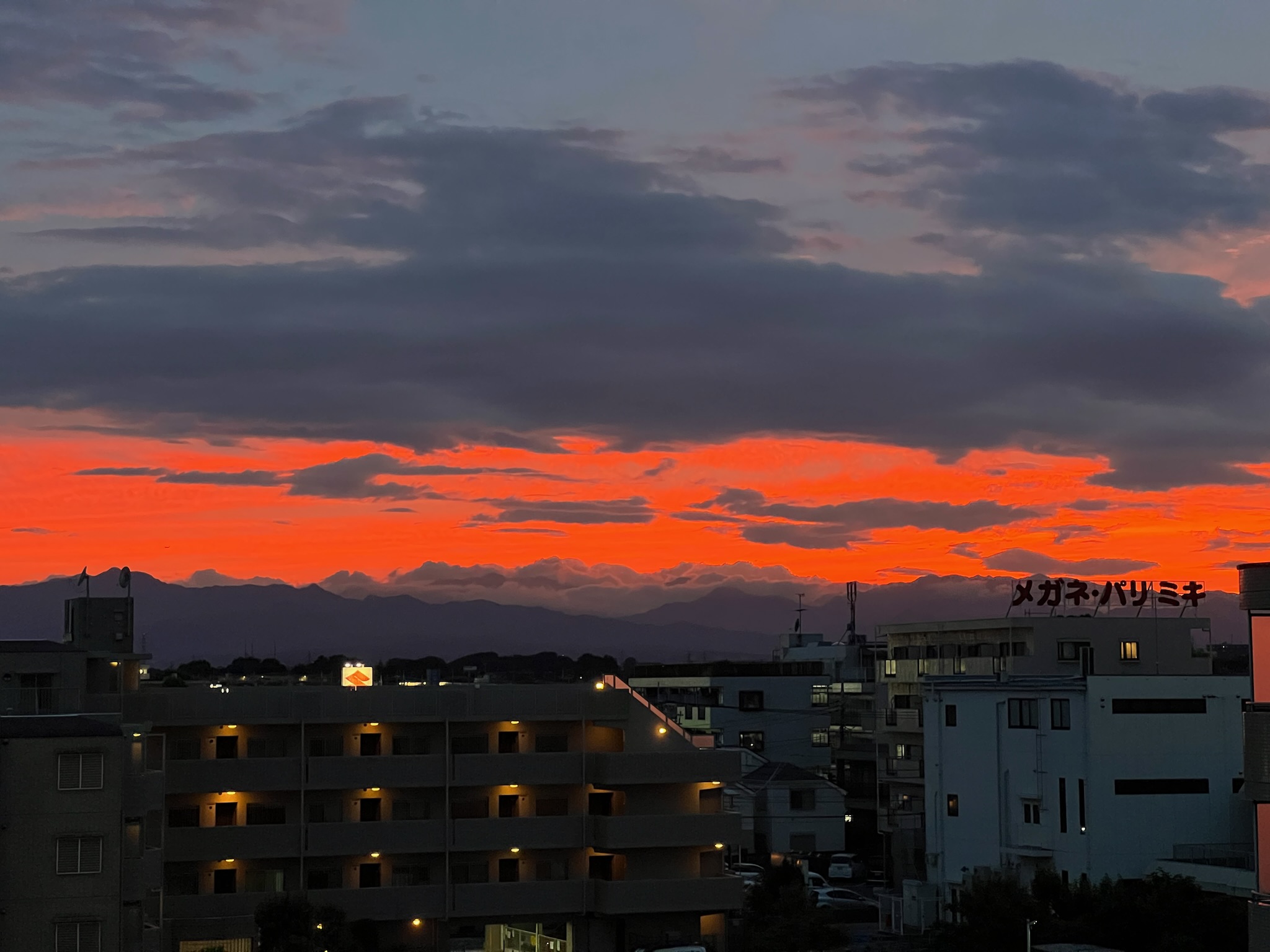
It might seem a minor thing, but we have really enjoyed being able to access the roof to see the sunset! Each one is so unique – sometimes you can see Mt. Fuji (see above with its cloud cap) and sometimes you can’t. Regardless, it is reassuring to know that God created this world with such beauty and wonder. With the heat wave this week, the roof is also one of the best places to try and catch a breeze in the evening, so it is nice to have such beautiful views when we get the chance!
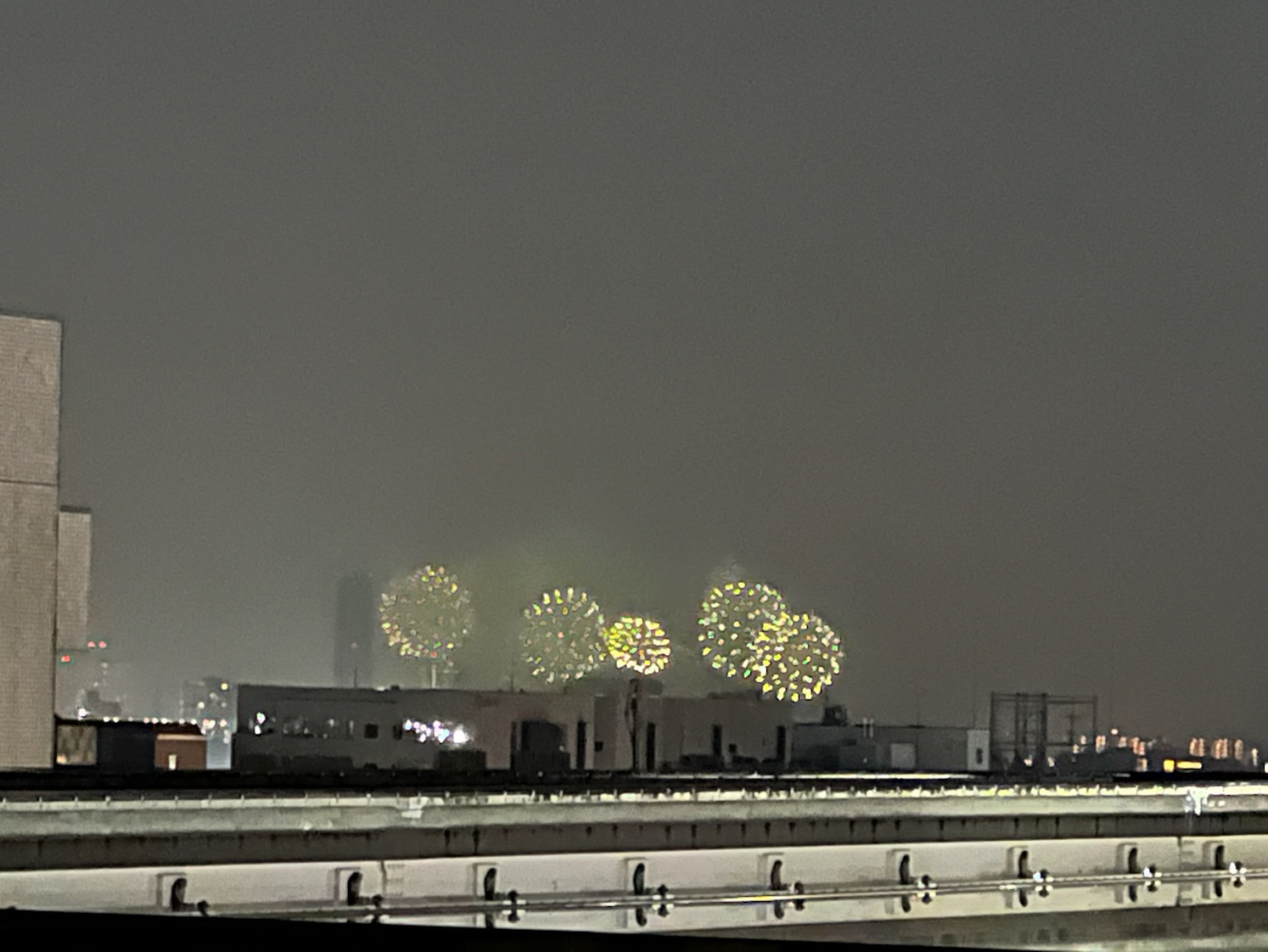
And speaking of the view from the roof… I celebrated a birthday this week and not long after dinner we heard a familiar booming sound from the open window. In the states, July 3rd isn’t much cause for fireworks, but it turns out that nearby Fuchu, Japan, was having a celebration. So we headed to the roof and enjoyed the breeze while watching the show. There were a number of designs that I have never seen before, and it was a very nice surprise!
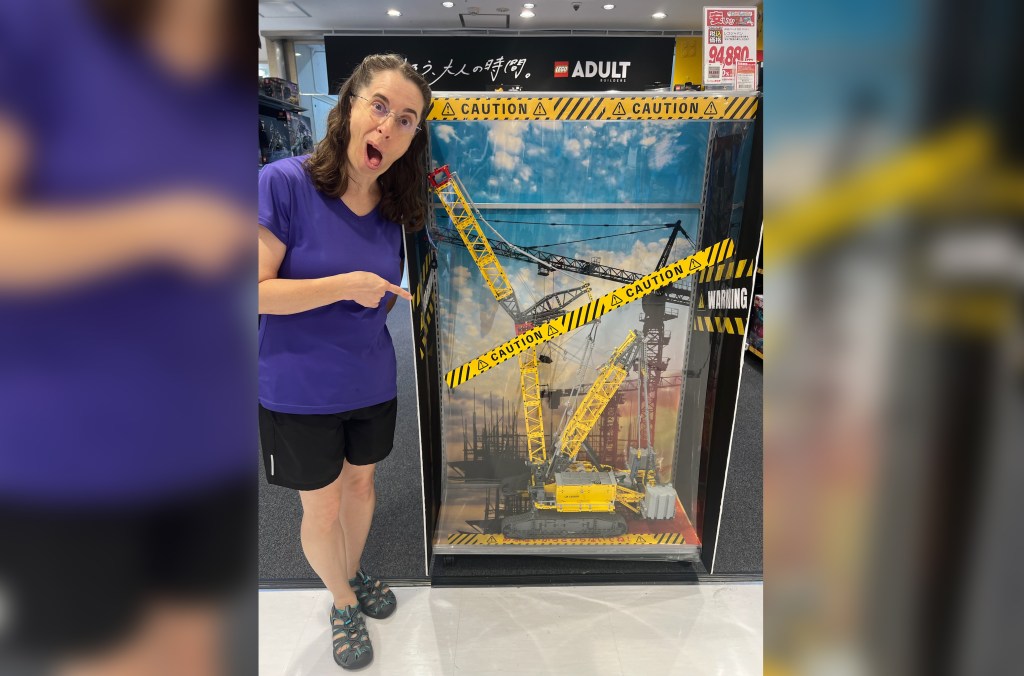
The parting shot this week comes courtesy of Bic Camera and their Lego Adult section. This Lego version of the Liebherr LR 13000 Crawler Crane will only set you back ¥94,880 (about $600) and contains 2,883 pieces. It is fully operational and can be controlled from an app on your iPhone. It’s almost as tall as Emily!
We have one more week to go this Summer. God has blessed our time here tremendously, and we will definitely be leaving a part of our hearts with these dear brothers and sisters when we return to Memphis.
After last week’s overnight trip to Ibaraki, it was nice to be back in a groove this week with “normal” stuff going on. We managed to not get a ton of pictures, but hopefully that just means that we were present and engaged with people all the more. English readers and music class participants have been sweet times together now that we have a little more familiarity with each other. A couple of new readers started recently, so that is encouraging too. Several of our readers have started to really ask meaningful questions, and we pray that the Spirit continues to quicken their hearts and keep them thinking.
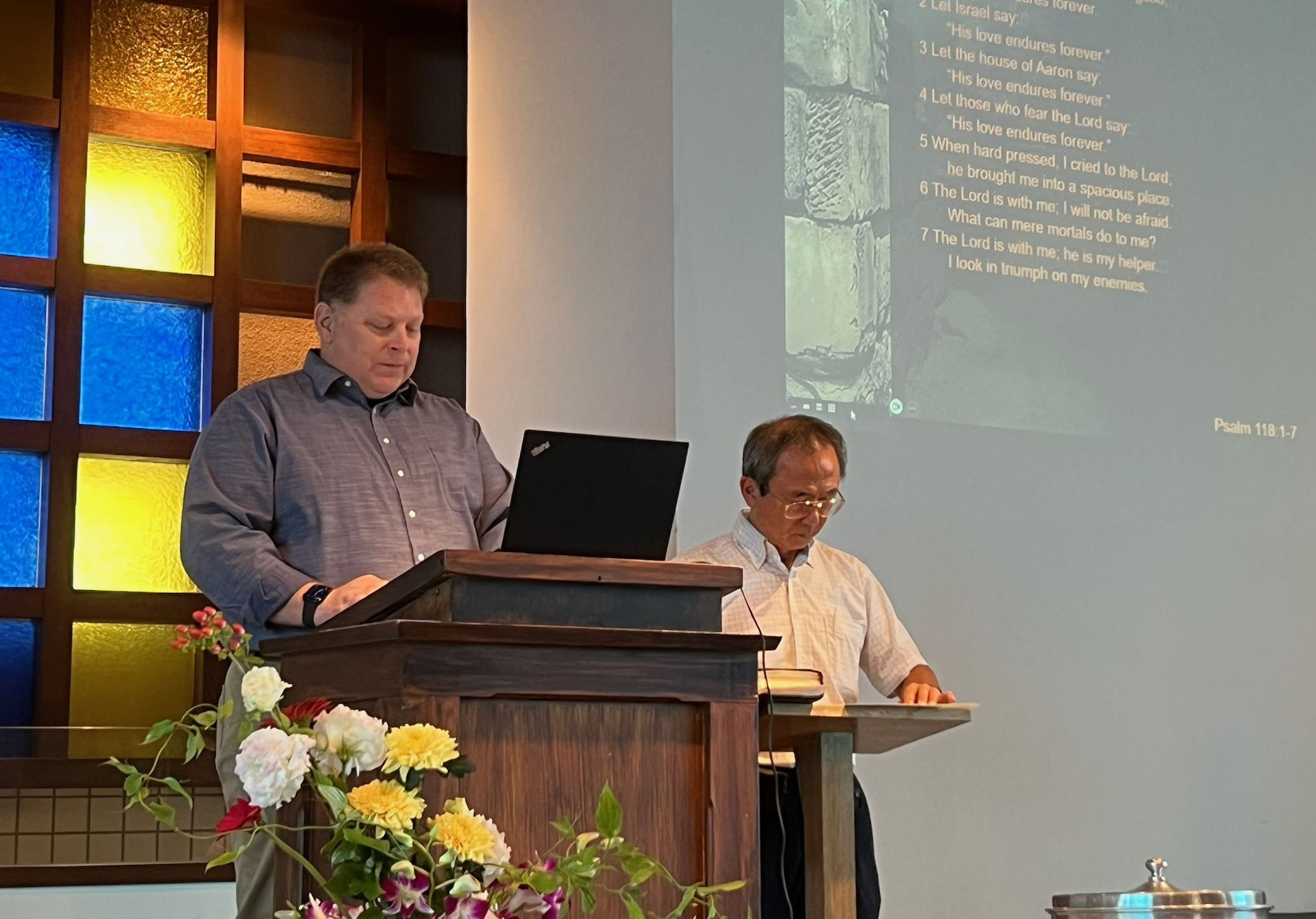
I was privileged to give the message during Worship again this week. I followed up last time’s message about following Jesus with taking a step back and looking at who Jesus is from the perspective of Psalm 118 (the stone the builders rejected, now the cornerstone). It was well received and several in attendance chatted with me afterward about how they were moved to think in new ways. Such positive feedback is always encouraging, and I am thankful for the opportunity to share from Scripture as I am able to.
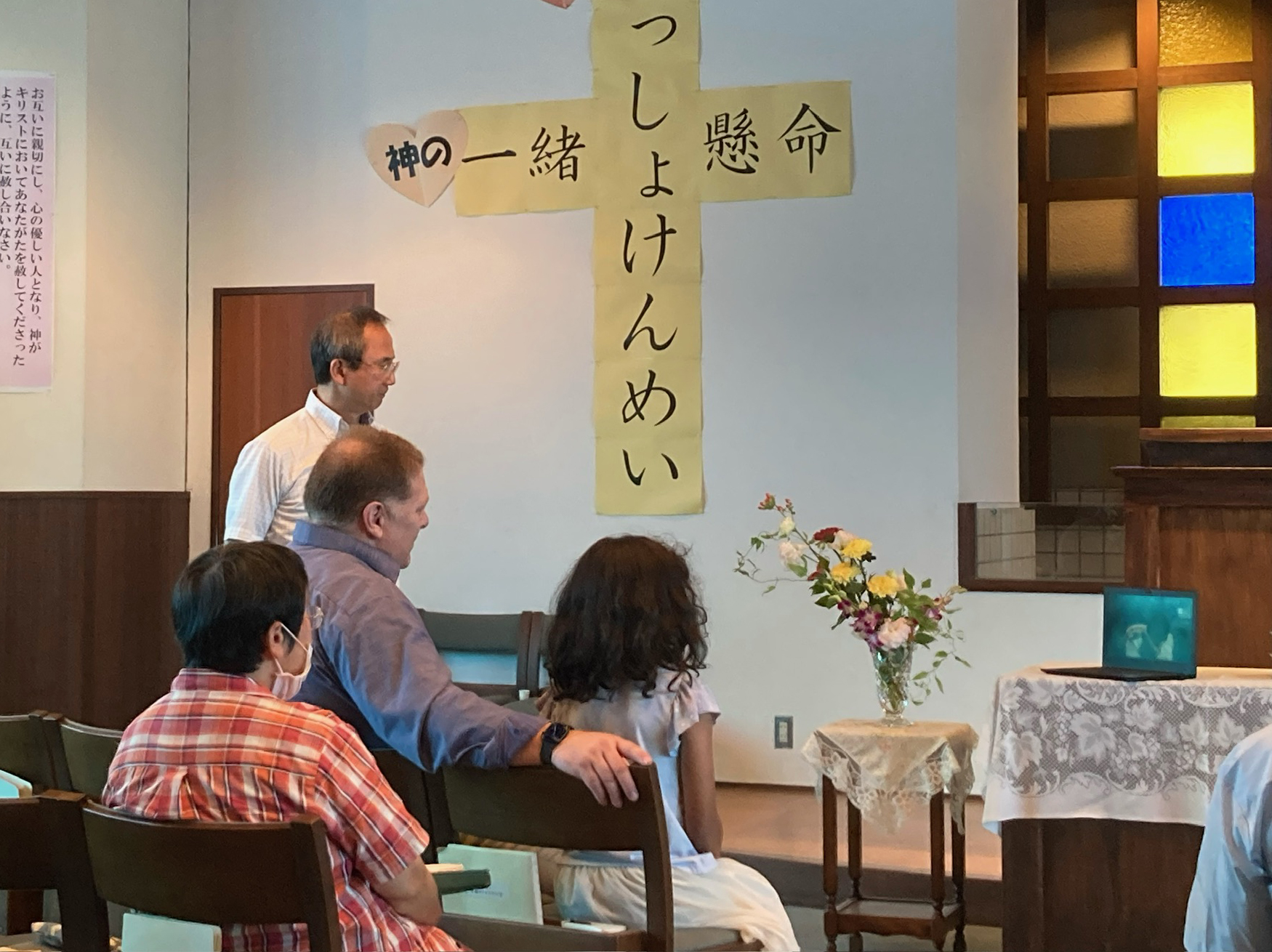
This week, I also prepared a short message for the children. Tachikawa has a worship practice of singing several songs followed by the Lord’s Supper and another song. Before the sermon, though, all of the children present come to the front row and the preacher will give a mini-sermon just for them before they head upstairs for children’s church. Of course, everyone in the room gets to listen in, but it is a sweet time to focus on the kids for a bit in a corporate way during worship. Nao-san jokes that sometimes the adults tell him later that they got more from his kids message than they did from the main sermon!
I chose to focus on the idea of rescue. Japan is no stranger to natural disasters, so I showed a few images of damage from earthquakes, fire, and flooding, but then followed each one with a picture of someone heading in to rescue people caught in those situations. Then I showed a picture of a discouraged person and explained that sometimes we are broken inside our hearts and that can lead to sin. God wants to rescue each and every person from this broken place, and so he sent Jesus to rescue us. Maybe there is something to just sticking with the kid’s version of sermons sometimes!
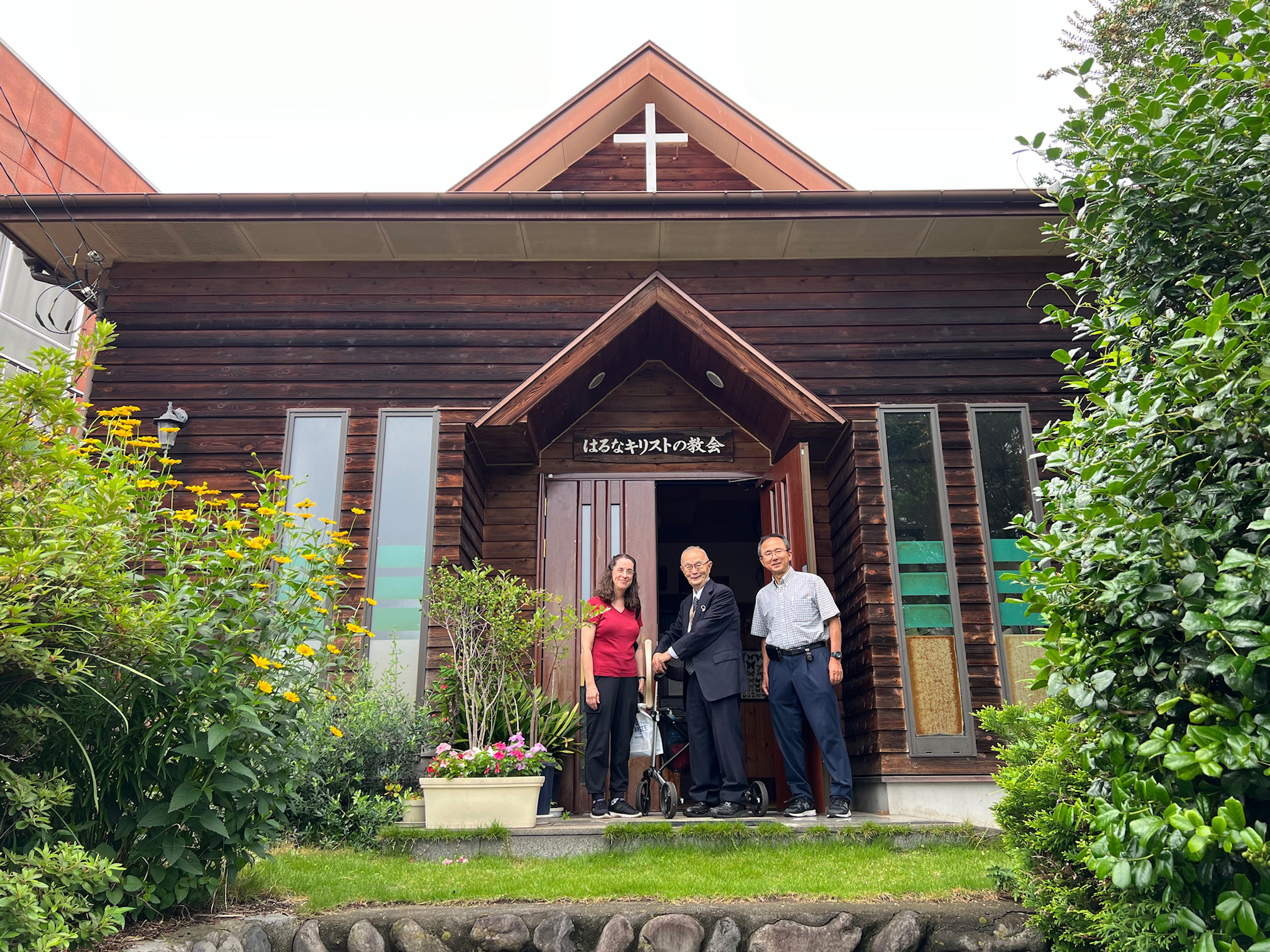
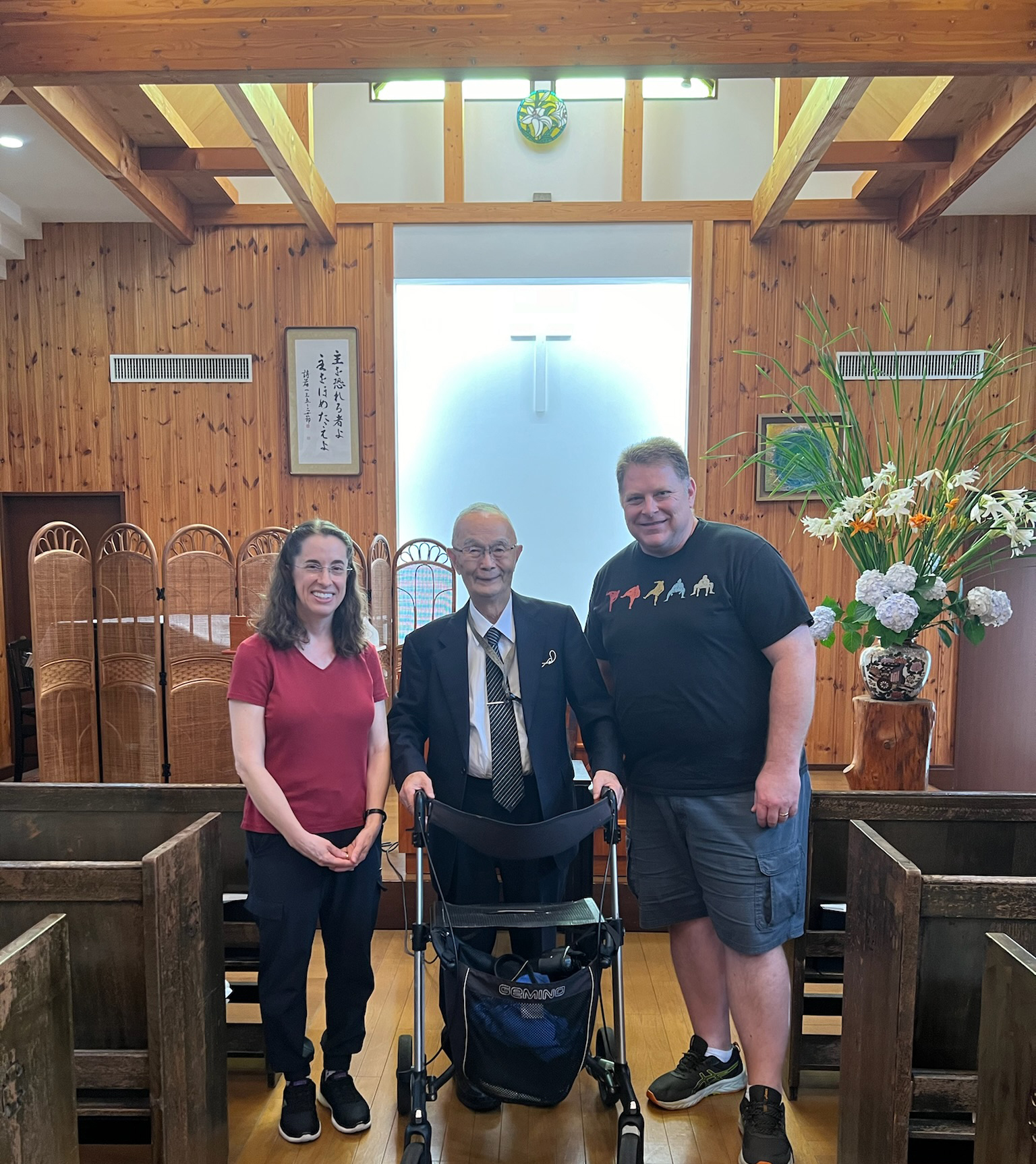
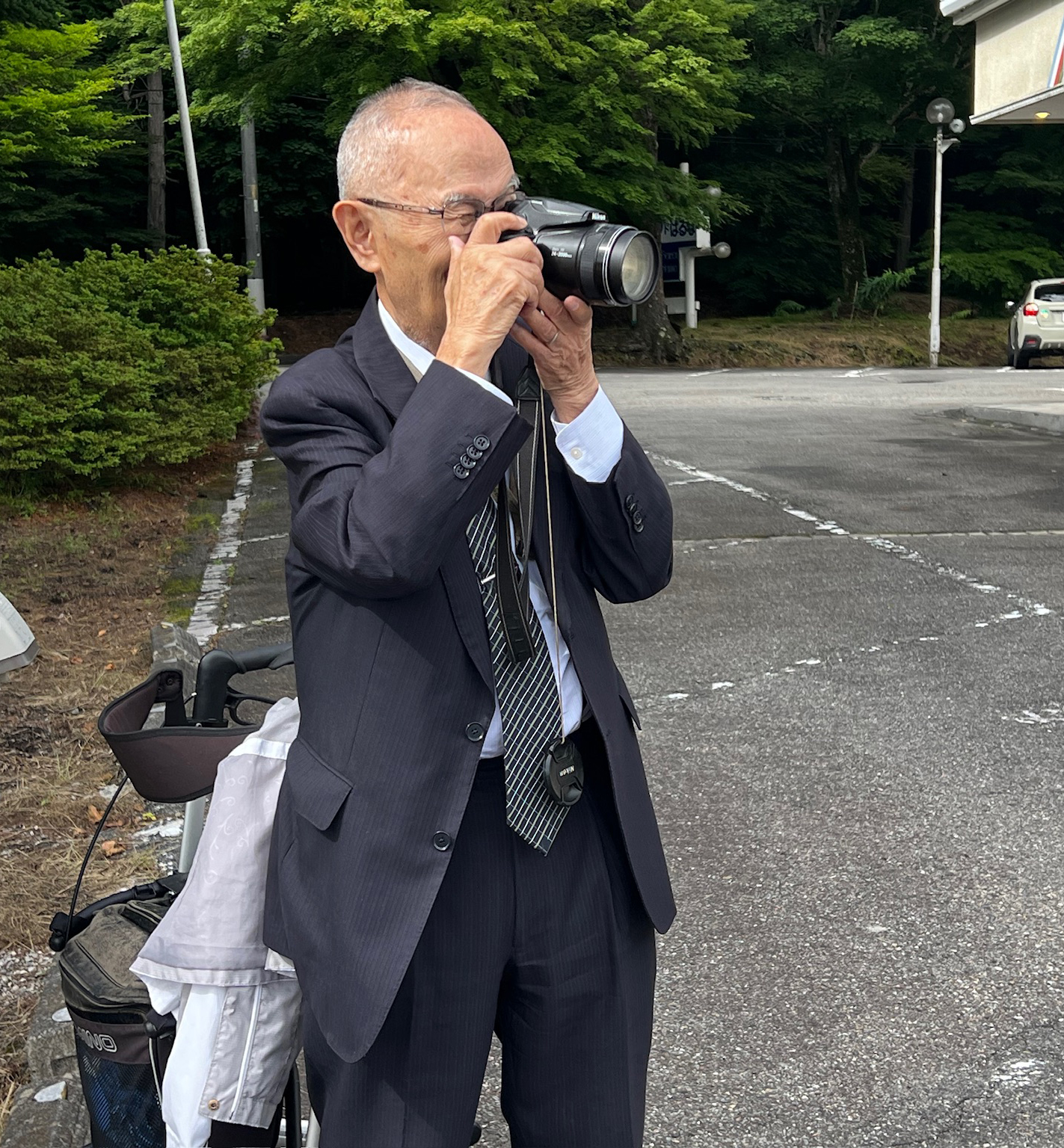
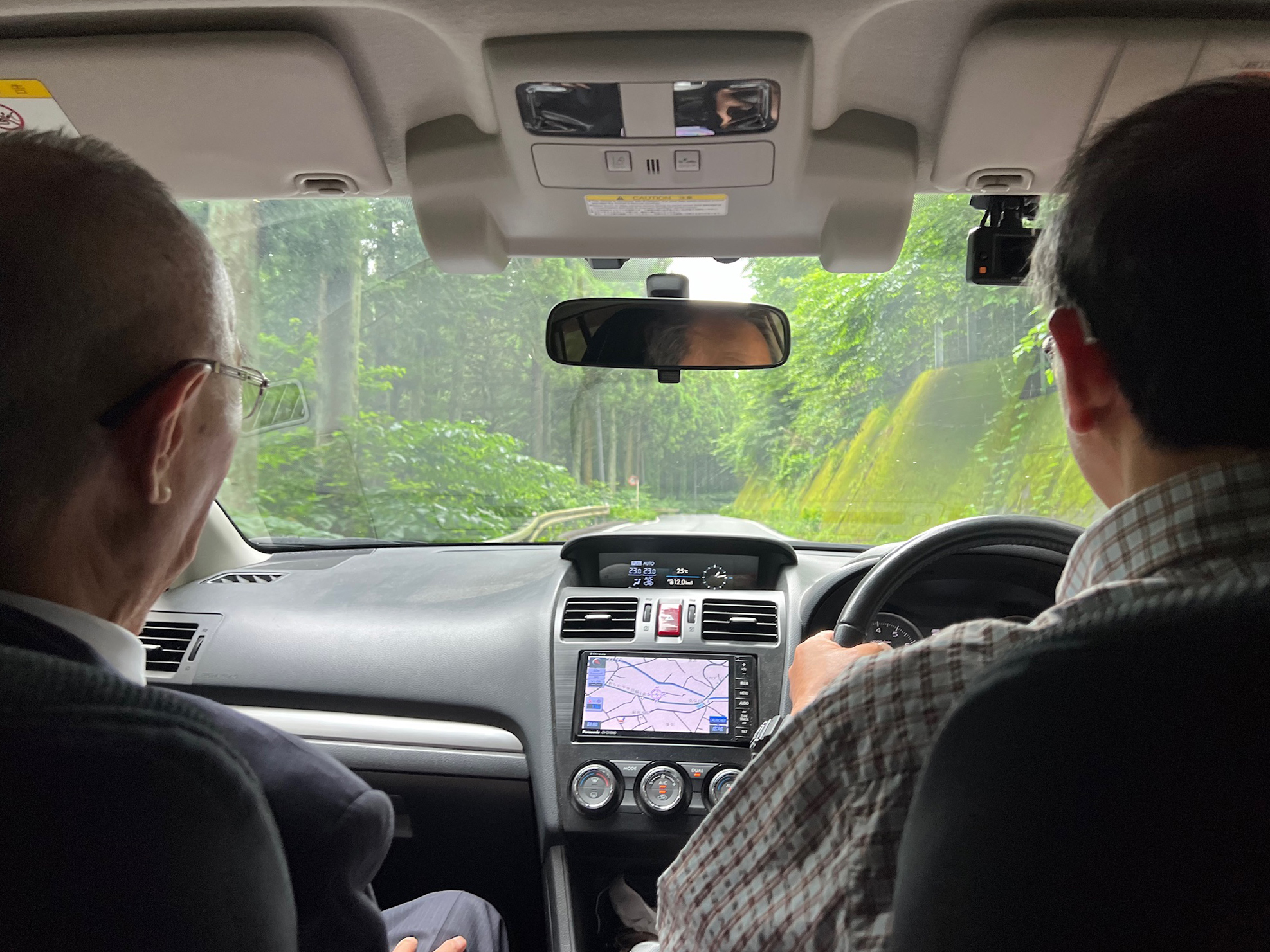
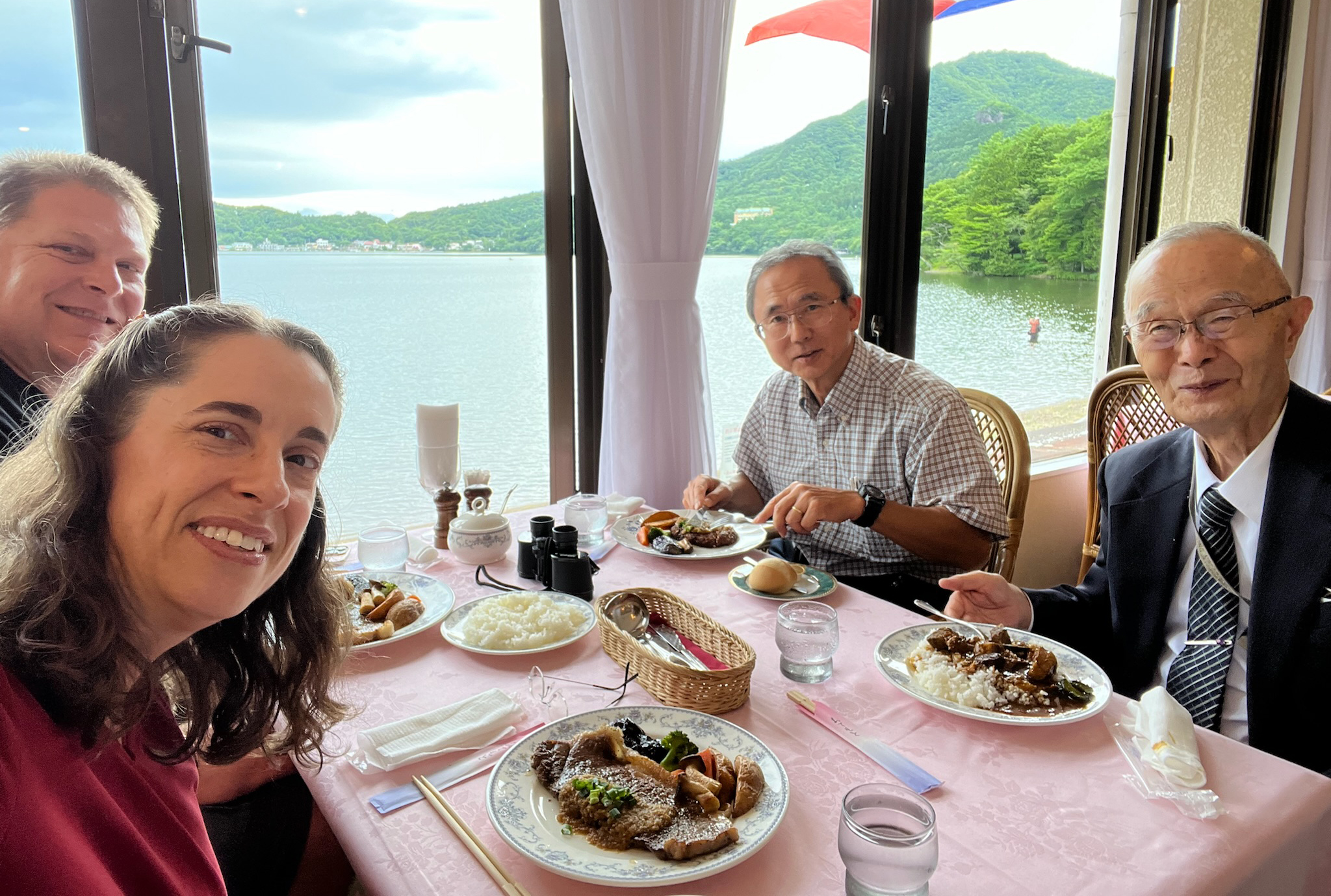
Although it was a pretty normal week in most regards, we did take the opportunity for a day trip to visit Brother Obata in Haruna. Haruna is a smaller community nestled at the edge of a mountain range North of the Tokyo area. It is a couple hours away by car, so we rode along with Nao for the day. Shiro Obata is a treasure of a man who has faithfully served the churches in Japan for decades. He turned 90 this year, but doesn’t let that stop him from preaching each week and smiling the entire time. He showed us around the Haruna church building and the many pictures and mementos that he keeps there, and then we drove further up the valley on a very winding road. There is a caldera lake near the top of Mt. Haruna and next to it one of Obata-san’s favorite restaurants. We feasted on a delicious lunch of Gunma-sourced sirloin and got to spend several hours talking about faith, church, and Japan.
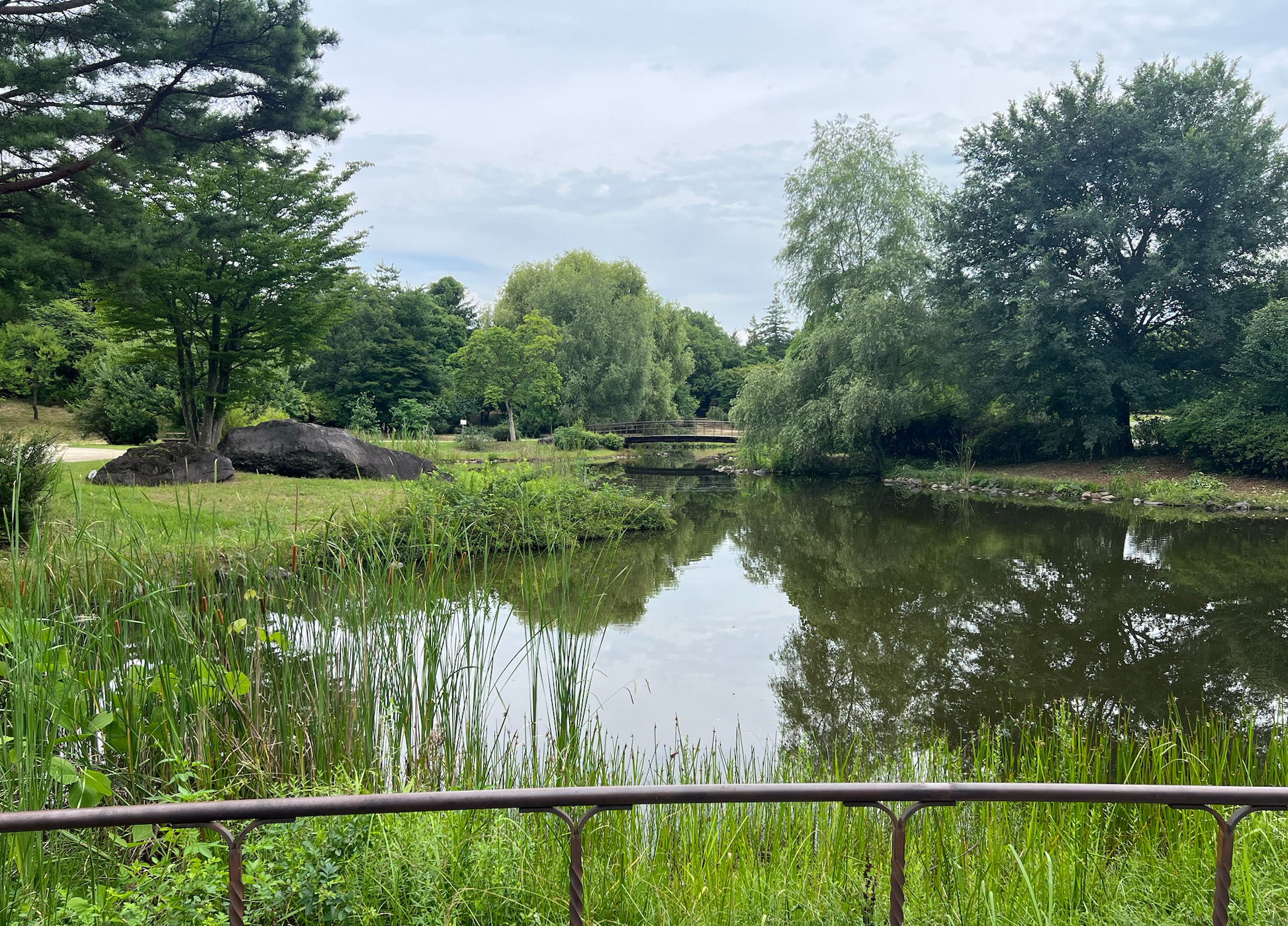
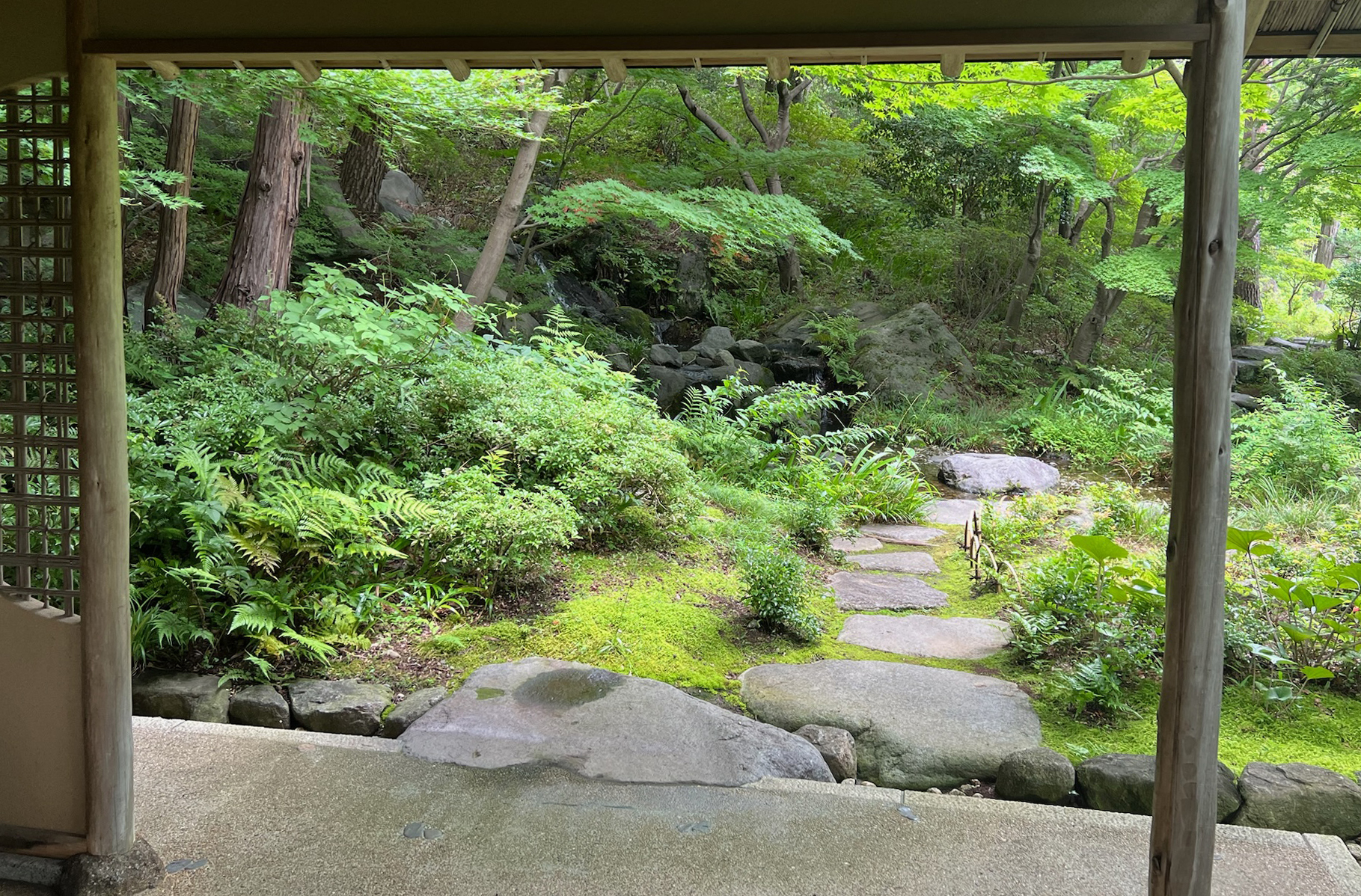
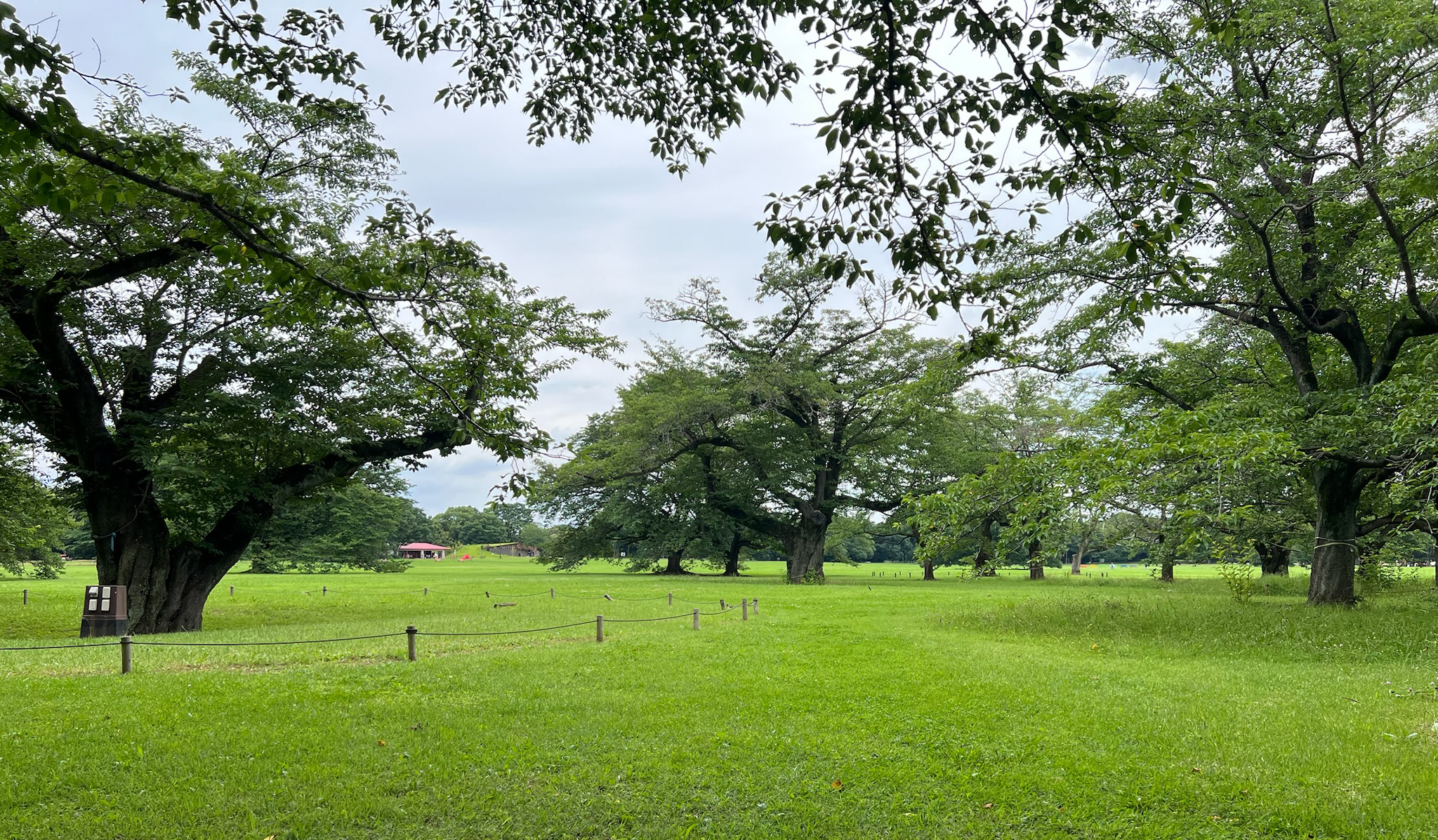
Tuesday of this week, I braved the warm, humid weather for a day spent at Showa Kenin Park in Tachikawa. As part of my Summer coursework for HST, I spent the day in personal retreat dwelling in the Word and in prayer. It was pretty muggy, but thankfully there was a bit of a breeze blowing along with plenty of shady spots to sit, read, and pray. As I have grown this past year in my faith and in my practice, it is becoming increasingly more important to make time for contemplative practices like this, and I am grateful for the opportunity to set aside the bulk of a whole day. There were few other people in the park, so it really did feel like it was just me and the Lord spending precious time together.
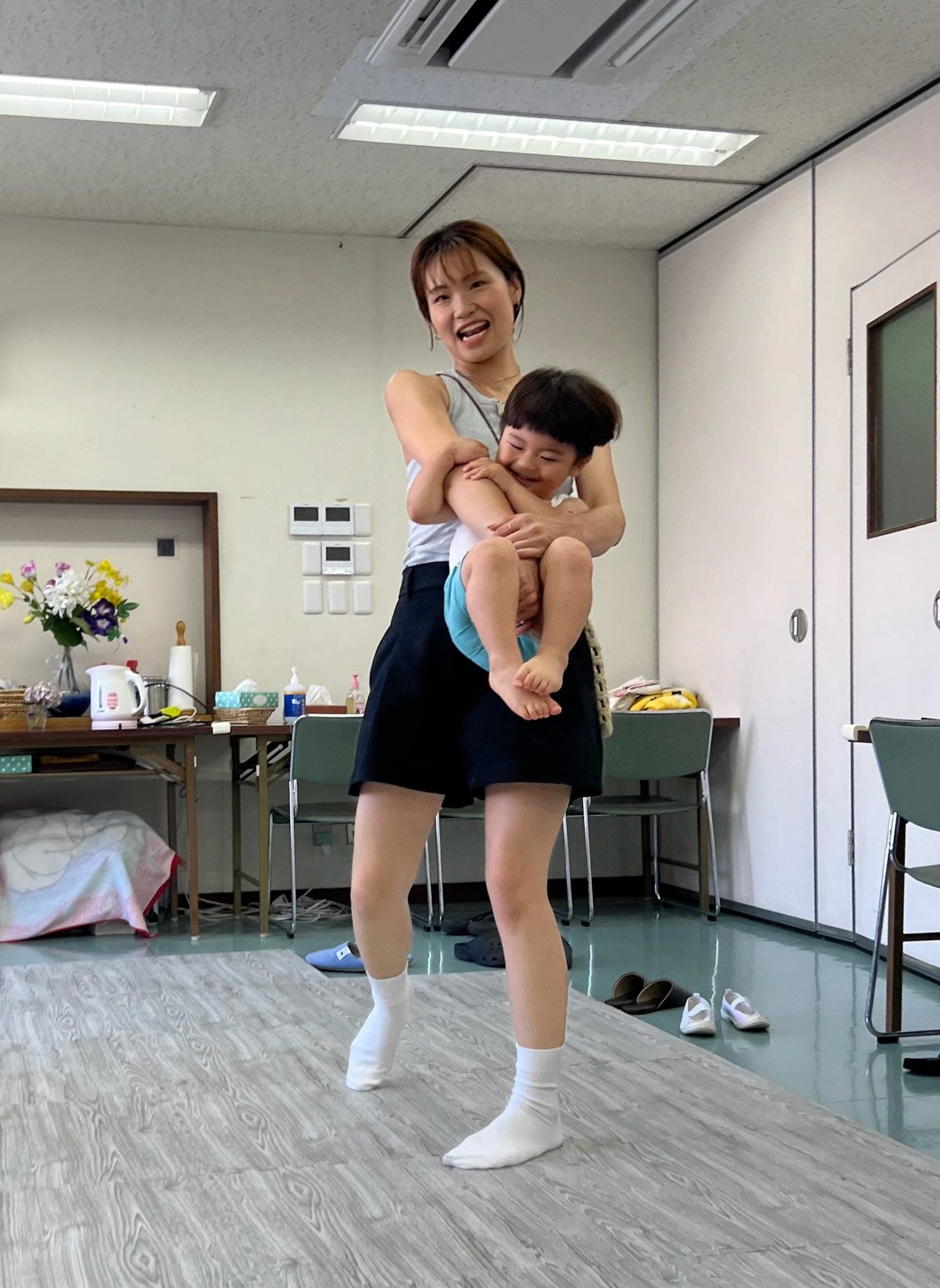
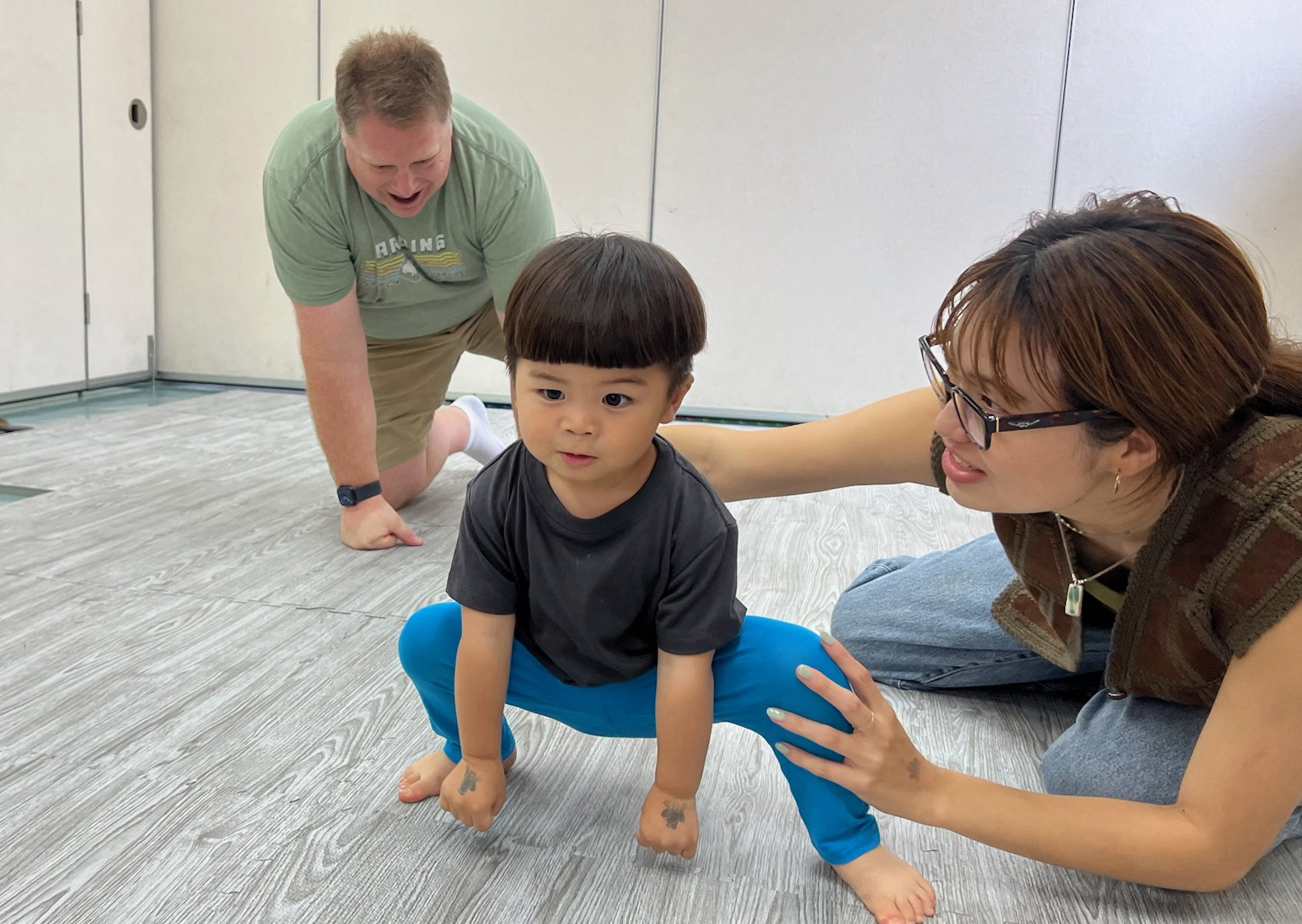
And for my parting shot this week, just take a look at this young man! He is giving his best sumo stance and he’s ready for his next bout. The wide foot placement, the angle of his back, and the fists ready to touch for the tachiai show that he means business. Most of all, you can see the determination in his face as he psychs himself up for another win. He will be sporting a top-knot in no time. You heard it here first!












 Fowlers in Japan